



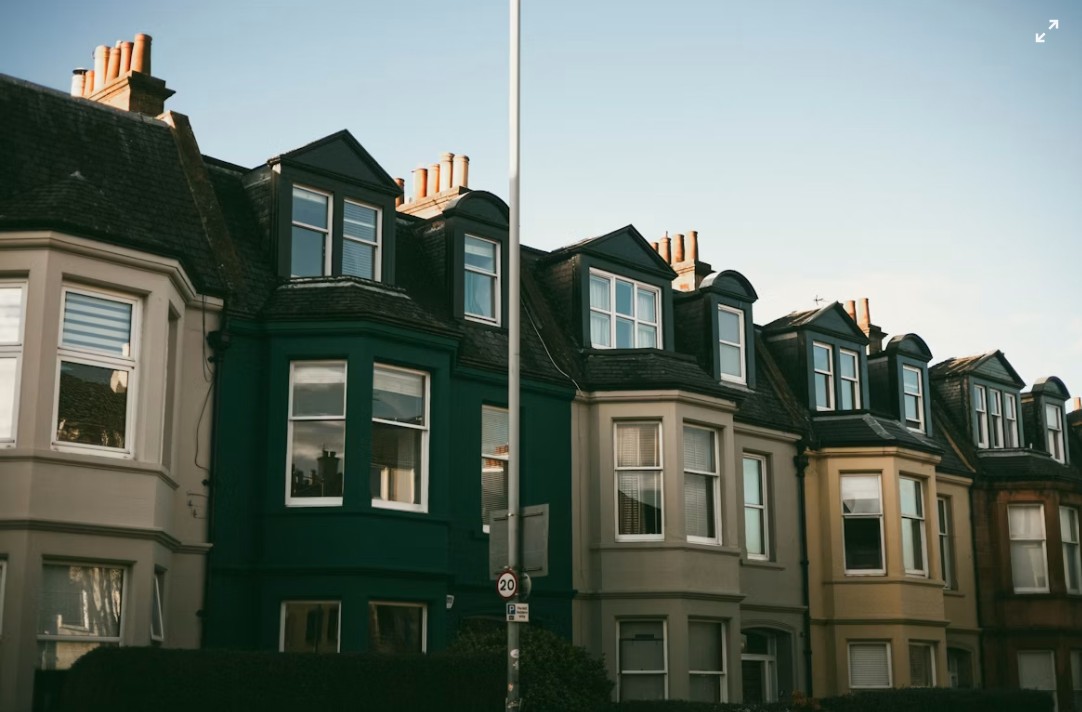
Smart landlords understand that rental property maintenance is not something to think about only when tenants report a problem. Whether it is everyday tasks like lawn care or major issues like roof replacements, staying on top of these responsibilities is vital for keeping tenants satisfied. It can also help enhance a real estate investment portfolio.
Annual repairs can typically cost around 5% to 8% of total gross rent, depending on the property’s age, while condo costs may be lower, explains real estate expert Jesse Sasomsu. Planning for these expenses helps property owners stay prepared instead of scrambling when something suddenly fails.
Proactive maintenance is also about noticing small warning signs before they become visible problems for tenants. Savvy landlords tackle issues head-on from the start. This helps keep the property in good shape, avoid unexpected expenses, and create a more comfortable home for their tenants.
This article examines the proactive steps smart landlords take to fix issues before tenants even notice them.
Address Small Plumbing Issues Early
Smart landlords know that small plumbing concerns can become costly problems when left unattended. They regularly check for dripping faucets, slow drains, leaking pipes, running toilets, and water stains that may point to hidden trouble. These quick checks can help property owners catch issues before tenants even realize something’s off.
Timely plumbing repairs prevent minor leaks from turning into water damage, mold concerns, or expensive emergency calls. Smart landlords may also seek help from professional plumbers for regular inspection and maintenance. Plumbing providers rely on suppliers such as 24hr.supply to get high-quality products to install for their clients.
For landlords, this simple habit can make routine maintenance much more manageable over time. The proactive approach also keeps the rental in better condition and minimizes unexpected disruptions for tenants. Staying alert to these early signs enables smart landlords to protect their property and maintain a more comfortable living environment.
Prepare the Property for Extreme Temperatures
Smart landlords in extreme climates prepare their rental properties before winter or summer arrives. They don't wait for harsh weather to expose weaknesses. Before harsh temperatures hit, they insulate exposed pipes, protect outdoor faucets, and seal drafts around vulnerable areas. They also inspect doors, windows, vents, and other openings to keep extreme outdoor temperatures from affecting indoor comfort.
Winter preparation is important because preventing frozen pipes can help avoid burst pipes, water damage, and major tenant disruption. Smart landlords can identify vulnerable plumbing areas and take preventive steps before freezing conditions arrive. For those who want to learn more about frozen pipes, understanding common risks and prevention methods can make seasonal maintenance easier.
It's always a good idea to be ready for the worst, and knowing the temperature at which pipes can freeze is super helpful. It can reduce the chances of frozen pipes, water intrusion, or heating and cooling emergencies. More importantly, proactive care gives tenants greater comfort when extreme weather strikes.
Catch Electrical and HVAC Problems Before They Escalate
Electricity makes life more convenient, but staying vigilant and prioritizing safety is essential. According to the National Fire Protection Association, between 2020 and 2024, home structure fires linked to electrical failures or malfunctions led to an estimated 527 civilian deaths. Electrical equipment that ignited also contributed to these fatalities. The property damage from these incidents accounted for roughly 15% of all home structure fire-related losses.
These risks highlight why regular attention to a rental property’s electrical and HVAC systems can help landlords address potential problems. Savvy landlords know the importance of spotting electrical and HVAC warning signs before they turn into major headaches for tenants.
They check for flickering lights, faulty outlets, unusual sounds, and circuit breakers that trip frequently. Regular inspections are a smart move for property owners and allow quick fixes before small issues grow into safety concerns.
Waiting until the equipment stops working can leave tenants uncomfortable and turn a manageable repair into an urgent service call. Clever landlords ensure essential systems run smoothly. This proactive approach can extend equipment life, reduce unexpected breakdowns, and create a more dependable home for tenants.
Inspect Doors, Windows, and Other Frequently Used Features
Smart landlords maintain the everyday amenities that tenants use without even thinking about them. They regularly check locks, hinges, weatherstripping, windows, cabinets, appliances, and fixtures for signs of wear or damage. A loose hinge, sticking window, weak lock, or worn seal may seem like a small concern, but leaving it unattended can gradually affect comfort and convenience.
Replacing damaged weatherstripping can improve energy efficiency, while repairing locks can strengthen security. Green City Times reports that renters often seek properties that meet certain energy efficiency standards or have certifications to confirm their efficiency. No matter the property's value or type, many creative solutions boost energy efficiency. This sparks interest in the rental market and leads to happier homes for tenants.
Landlords prioritize components tenants interact with regularly because these details can shape the overall rental experience. Small adjustments to cabinets, appliances, and fixtures can also prevent daily frustrations from becoming repeated complaints. Smart landlords know that by keeping up with routine wear and tear, they can ensure their properties remain functional, secure, and comfortable.
Build a Preventive Maintenance Routine
Better Homes & Gardens notes that a home maintenance checklist and schedule are crucial for any house. Regular home inspections keep everything in order and make the process feel more manageable. Regularly checking a home's exterior, appliances, and security can go a long way toward preventing breakdowns.
Wise landlords make preventive maintenance a consistent part of rental property management, not just an occasional chore. They create seasonal inspection checklists to track important areas and record repairs, replacements, and recurring concerns.
This organized approach makes it easier to remember when specific systems need attention and helps property owners spot patterns before they turn into larger problems. Clear records also provide a useful reference when planning future maintenance or budgeting for upcoming expenses.
Consistent upkeep can extend the useful life of property systems while reducing the likelihood of unexpected repair costs. Regular maintenance helps keep the home comfortable, functional, and dependable for tenants.
FAQs
What should landlords inspect regularly in a rental property?
Smart landlords should regularly inspect plumbing, electrical systems, HVAC equipment, doors, windows, locks, appliances, fixtures, and exterior areas. They should also check for leaks, moisture, pests, drafts, and visible wear. Seasonal inspections can catch small concerns early, helping prevent expensive repairs, protect the property, and keep tenants comfortable.
How can landlords prevent frozen pipes during winter?
Landlords can prevent frozen pipes by insulating exposed plumbing, sealing drafts, protecting outdoor faucets, and maintaining appropriate indoor temperatures. They should inspect vulnerable areas before winter arrives and address leaks promptly. During severe cold, keeping water moving slightly can also help reduce freezing risks and prevent costly burst pipes and damage.
Why is preventive maintenance important for rental property owners?
Preventive maintenance helps landlords catch small problems before they become expensive repairs. Regular upkeep can extend the life of major systems, reduce unexpected breakdowns, protect the property’s value, and limit tenant disruptions. It also fosters a comfortable living space, helping landlords build stronger relationships with their tenants.
Maintenance Facts at a Glance
Maintenance area | Why it matters |
Annual repairs | Typically cost 5%–8% of gross rent |
Plumbing | Helps prevent leaks and water damage |
HVAC | Reduces unexpected breakdowns |
Electrical | Helps address potential safety concerns |
Seasonal checks | Prepares the property for extreme temperatures |
Smart landlords understand that good property management often happens quietly, long before a tenant has a reason to complain. Their attention to overlooked details creates a home that feels dependable without drawing attention to the work behind it.
This thoughtful approach can make ownership less stressful and daily management more predictable. When landlords stay focused and plan, they cultivate a rental environment where tenants feel at ease, appreciated, and secure in their homes.