



As a landlord, you understand your duty to keep a safe property for all tenants. However, accidents can and do happen, from a slip on a puddle to a falling glass window.
Keeping up with maintenance significantly reduces the likelihood of such accidents, but you still need an incident response plan.
Immediate action is crucial; it's the most critical time for medical intervention. The next step is scene preservation, followed by documentation.
Here's a more detailed look at a property owner's injury response plan.
Immediate Medical Intervention
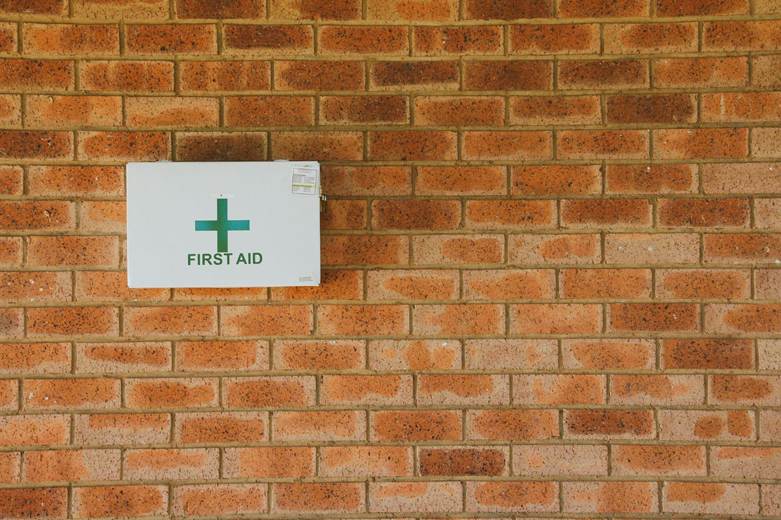
Medical intervention is the first step, starting with first aid, if the tenant has a cut from a fall or a broken window. Have a packed first aid kit ready as you wait for an emergency response team to arrive.
Understandably, first aid can be a dilemma for landlords, since it's best to administer first aid if you're trained and certified to do so, like CPR. However, North Carolina's "Good Samaritan" laws do offer some protection to people who administer aid in good faith. This scenario does speak to the importance of having certified first aid training.
In some cases, a tenant may not want to call a paramedic if the injury is minor enough for urgent care. Make sure to document the fact that you did offer to call an ambulance, but they declined.
While your priority is the safety of your tenant, you still want to keep a legal record. A tenant may want to seek a premises liability claim since they were injured on someone else's property. If this is the case, you'll need as much documentation as possible, starting with your record of medical assistance.
Preserve the Scene
As your tenant is receiving professional medical attention, don't alter the scene.
All accident evidence should be preserved. Use barricades or caution tape to seal off the area, preventing further injuries to other tenants. But don't fix the hazard yet.
Take high-resolution photos and video of the scene. For example, if a tenant slips and injures themselves on a loose floorboard, you'll need to document the state of the floorboard immediately after the injury. From a legal perspective, you don't want to be viewed as hiding evidence.
Document the entire scene, not just the broken floorboard, but also the lighting conditions, the surrounding floor, walls, and furniture. If the accident occurred outside, document the weather conditions; this could also apply to indoor accidents, if there was water damage from rain.
Does your property have CCTV surveillance cameras?
Download footage from entry doors, lobbies, hallways, and even surrounding businesses. Create a backup for your records. The footage should capture the full accident and what happened prior to the accident.
Gather More Information
Gather as much eyewitness information as you can, including names, contact information, and statements. Eyewitnesses include anyone who witnessed the accident, arrived after the accident, or was at the scene shortly before the accident occurred. Obtain permission before taking videos or voice recordings.
Complete a comprehensive incident report. Avoid using subjective language or admitting to anything. For example, you'll want to avoid writing "the floor was dangerous." Instead, you would write "the floor was wet from an accumulation of rainwater."
What you say while taking action can also be construed as a liability in the eyes of the law.
Even saying "I'm sorry" or "I should've fixed that" can be viewed as admitting fault. However, you can say, "How can I help?" Don't offer to pay a tenant's medical bills after an injury either.
You should have an organized, comprehensive documentation folder within 48 hours after the injury. This log should also include:
- The property's maintenance history
- Work orders for structural upgrades
- Proof of inspections
Include lease agreements that stipulate tenants' responsibilities for reporting hazards. While you have a duty to maintain a safe property and adhere to all compliance codes, tenants also have a duty to report hazards in their units, such as leaks from a clogged toilet.
You'll need this information in the event of a negligence claim.
Take a Comprehensive Approach to Safety
When it comes to the safety of your property and tenants, don't miss a single detail. Be diligent about maintenance, upgrades, and lease management. In the event of an accident, act quickly to prevent further accidents and legal claims. A trusted personal injury lawyer website can also provide helpful guidance on protecting your rights and responsibilities after an incident.
Turn these steps into a complete safety checklist and incident response plan!