



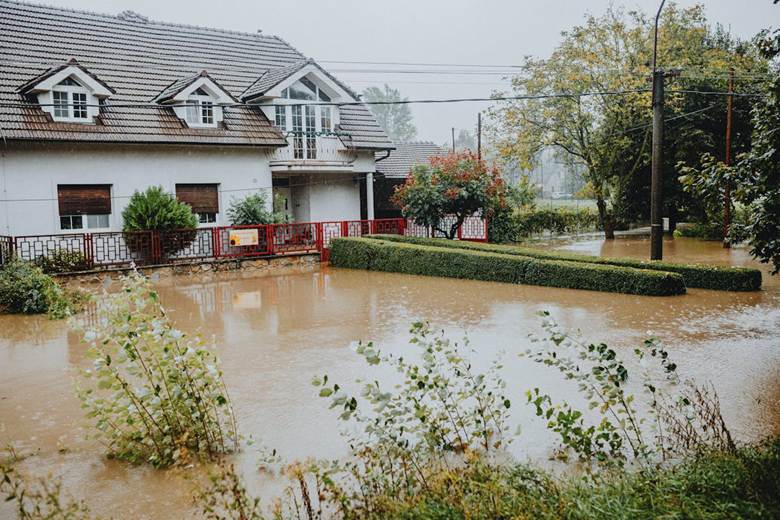
What’s the first thing that runs through your mind when you see water pooling in your hallway, and it’s not from a spilled drink or a pet mishap? Probably something that can't be printed here. Whether from heavy rainfall, a burst pipe, or a surprise hurricane (hello, climate change), water has an uncanny ability to show up where it shouldn’t—fast, uninvited, and with lasting consequences.
When water enters your home unexpectedly, panic is normal. But after the initial shock fades, knowing what to do next can save your sanity, your belongings, and a lot of money.
Assess Before You Stress
Don’t rush into ankle-deep water like a sitcom character with no flashlight. Before anything else, consider your safety. If water is near electrical outlets or appliances, stay out of the flooded area until the power is shut off. If you're unsure, call a professional—do not attempt to DIY your way through an electrical hazard.
Once you’ve ensured it’s safe, take a breath and try to identify the source. Is it clean water from a supply line or contaminated water backing up from a drain? That difference matters. Clean water is annoying but manageable. Sewage water? That’s an emergency best handled with gloves, masks, and, ideally, a trained team in hazmat suits.
Quick Moves Make a Big Difference
Time is the enemy. Mold begins forming within 24 to 48 hours of water exposure, and that ticking clock doesn’t care if it’s Sunday night or your kid’s birthday party. Immediate action is critical—but more than that, it needs to be the right action. Flood cleanup isn’t just about scooping water into buckets and hoping for the best. It’s a multi-step process best handled by professionals who understand how water behaves once it disappears from view.
After standing water is removed, industrial-grade drying equipment and moisture detection tools are essential to target the dampness trapped beneath flooring and inside walls. Fans and dehumidifiers can help reduce surface moisture, but without expert intervention, the hidden damage can quickly spiral into black mold infestations. If it’s not treated thoroughly and immediately, that water won’t just ruin your floors—it’ll haunt your foundation.
Don’t Toss Everything—Yet
Seeing your favorite rug soaked through or your couch soggy can tempt you to drag it all to the curb. But don’t give up too quickly. Some things can be salvaged, especially if dried and cleaned quickly. Upholstery and rugs may be professionally restored. Hardwood floors can sometimes be saved with specialized drying systems.
Photographs, documents, and books might not seem like a priority in the chaos, but they often hold sentimental value. Place them in the freezer if you can’t dry them immediately. Yes, the freezer—it helps slow deterioration until you can address them properly.
Deal With Insurance (and Your Inner Rage)
Insurance claims after water damage are about as fun as assembling furniture with missing screws. But they’re necessary. Document everything: take photos of affected areas before and after cleanup, save receipts for repairs, and keep a running list of damaged items.
Whether your policy covers the event depends on the cause. A burst pipe inside your home? Likely covered. A flood from rising water outside? That often requires separate flood insurance. This gap has become painfully clear in recent years, especially as “once-in-a-century” storms hit every few months somewhere in the U.S.
With rising climate risks, insurance companies are tightening water damage clauses, raising premiums, or exiting certain markets entirely. It's not just a bureaucratic annoyance—it's part of a growing national tension between unpredictable weather and a patchwork insurance system struggling to keep up.
Think About the Long Game
Unexpected water in your home isn’t just a problem for today—it changes how you think about your space. It might mean ripping out that plush carpet and going with tile. Or ditching particleboard furniture for something more water-resistant. These aren’t just aesthetic decisions. They’re future-proofing moves.
In some areas, especially along the Gulf Coast or the Midwest, building codes are shifting in response to more frequent flooding. Homes are being raised, drainage systems rethought, and materials reconsidered. Water resilience is no longer niche—it's becoming mainstream. And not just for beachfront properties.
As climate shifts accelerate, so too does the importance of designing homes that can bounce back, not just dry out.
Find Humor Where You Can (and Then Fix What Matters)
Let’s be honest. Some of it is laughable in a twisted way. Like when your cat floats by on a laundry basket or your Roomba tries to clean underwater like it’s auditioning for Shark Tank. These moments won’t feel funny at the time, but they might later. Humor, strangely, is part of recovery.
Water intrusion is disruptive, frustrating, and often traumatic. Yet it also brings out resilience. Each step you take—from cleanup to rebuilding—says something about what you value. Maybe it's your family photos, your home office, or just a dry pair of socks. The goal isn’t just to dry the floors. It’s to reclaim your space and remind yourself that even when the waters rise, you don’t have to go under.