



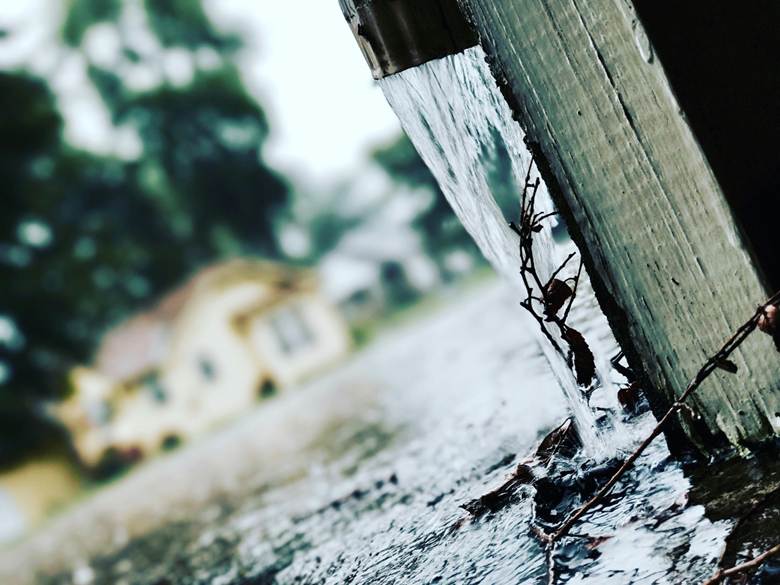
Water damage rarely starts with dramatic leaks. In many buildings, flooding begins quietly through unnoticed pathways that slowly direct moisture into basements, foundations, and interior walls. Property managers who understand where these pathways form can prevent costly repairs, protect tenants, and maintain safer living environments.
Foundation Grading and Soil Movement
One of the most common hidden pathways begins with the land surrounding a building. If the soil slopes toward the structure rather than away from it, water naturally flows to the foundation during rainfall. Over time, this constant pressure pushes moisture into cracks or gaps, often going undetected until mold, efflorescence, or pooling appears indoors.
Seasonal soil movement also creates settling patterns that change drainage without warning. Regular inspections of grading conditions, along with efforts to maintain proper slope, reduce long term water intrusion. Extending downspouts and ensuring gutters are functional further directs water away from vulnerable areas.
Window Wells, Drainage Gaps, and Structural Penetrations
Basement and garden level units face higher risk because water frequently collects at lower elevations. Window wells become problem zones when debris blocks drainage or when protective features are missing. Installing reliable barriers such as atrium window well covers helps prevent rainwater and melting snow from accumulating.
Other structural penetrations contribute to hidden pathways. Openings for cables, plumbing lines, and HVAC units can separate over time, creating channels for moisture. Small gaps may appear harmless but often allow steady infiltration during storms or freeze thaw cycles. Sealing these areas with durable materials minimizes long term exposure.
Roof Runoff and Wall Saturation
Even when roofs appear intact, improper runoff patterns can direct water into building envelopes. Downspouts that discharge too close to walls contribute to saturation, particularly in older properties where waterproofing layers may have deteriorated. Repeated exposure leads to weakened masonry and hidden leaks.
Routine roof inspections, along with proper placement of splash blocks or drainage extensions, help maintain pathways that carry water safely away from the structure. Monitoring exterior walls for discoloration or soft spots also alerts property managers to early warning signs.
Interior Indicators of Exterior Problems
Moisture pathways outside the building often reveal themselves through interior symptoms. Musty odors, peeling paint, warped flooring, or persistent humidity point to ongoing water movement. Even slow infiltration can create environments where mold develops behind walls or beneath flooring.
Property managers benefit from prompt investigation when these signs appear. Moisture meters, infrared scanners, and targeted inspections help locate the true source rather than treating surface level symptoms. Early intervention saves money and reduces tenant disruption.
Preventing Flooding Through Proactive Maintenance
Flooding is most effectively prevented when exterior conditions are routinely evaluated and improved. Clearing drainage systems, repairing cracked concrete, installing protective coverings, and adjusting landscaping all help reduce water intrusion. These efforts form a strong defense against hidden pathways that commonly lead to structural decline.
Understanding how water travels around and into buildings allows property managers to respond before issues escalate. With consistent monitoring and strategic upgrades, properties remain safer and better protected. Look over the infographic below to learn more.
Infographic Embed Code: