



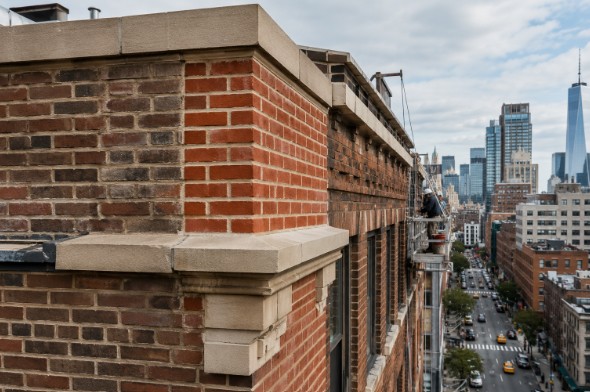
New York City buildings work harder than most. They face heavy rain, snow, freeze-thaw cycles, traffic vibration, aging brickwork, rooftop moisture, and strict building safety rules. Over time, even strong masonry can start showing signs of stress through cracked mortar, loose bricks, bulging walls, water stains, or damaged parapets.
That is why hiring the right masonry contractor in NYC is not only about improving appearance. It is about protecting the structure, reducing future repair costs, and helping property owners handle exterior issues before they turn into safety concerns.
For older residential and commercial buildings, masonry maintenance becomes even more important. Many NYC properties are built with brick, stone, concrete, terra cotta, and mortar systems that need proper inspection and repair. A small crack in mortar may look harmless at first, but once water enters the wall, it can slowly weaken surrounding materials and create expensive damage.
What Does a Masonry Contractor in NYC Do?
A masonry contractor repairs, restores, and maintains building materials such as brick, stone, concrete, block, stucco, and mortar. In NYC, this work often includes brick pointing, brick replacement, parapet wall repair, chimney masonry, brownstone restoration, lintel repair, façade restoration, waterproofing support, and structural masonry repairs.
A skilled contractor does more than patch visible damage. They look for the source of the problem. For example, cracked mortar may be caused by age, trapped moisture, poor drainage, failing flashing, or movement in the wall system. If the cause is ignored, the repair may only last for a short time.
This is especially important in NYC because many buildings are closely connected to sidewalks, neighboring properties, courtyards, fire escapes, and roofline structures. Masonry problems can affect safety, building value, tenant comfort, and compliance.
Why Masonry Problems Should Not Be Ignored
Masonry damage usually starts small. A few missing mortar joints, hairline cracks, or stains may not seem urgent, but these signs often point to deeper moisture or structural issues.
When mortar breaks down, water can enter the wall. During cold weather, trapped moisture expands and contracts, which can loosen bricks and widen cracks. Over time, this can lead to spalling brick, wall movement, leaks, interior damage, and unsafe façade conditions.
Common warning signs include:
Cracked or missing mortar joints
Loose or displaced bricks
Bulging exterior walls
White powdery stains on brick surfaces
Rust stains near lintels or metal supports
Water stains inside the building
Damaged parapet walls
Gaps around windows or masonry openings
The earlier these issues are handled, the easier and more affordable the repair usually is. Waiting too long can turn a basic masonry repair into a larger restoration project.
Why Brick Pointing Is So Important in NYC
One of the most common masonry services in New York is brick pointing NYC property owners need when mortar joints start to weaken. Brick pointing, also called repointing, is the process of removing damaged mortar and replacing it with fresh mortar that matches the building’s structure and appearance.
Brick pointing helps seal the wall, reduce water entry, strengthen the masonry, and improve the building’s exterior look. It is especially useful for older brick buildings where mortar has become soft, cracked, recessed, or missing.
Poor brick pointing can create more problems than it solves. If the wrong mortar mix is used, it may be too hard for the original brick. This can trap pressure in the wall and damage the brick faces. That is why experience matters. A professional contractor should understand mortar type, joint depth, color matching, weather exposure, and the age of the building.
For NYC buildings, proper brick pointing is not just cosmetic. It can protect the wall system from leaks, freeze-thaw damage, and long-term deterioration.
Masonry and Local Law 11 in NYC
For taller buildings, exterior wall maintenance is also connected to Local Law 11 NYC, officially known as the Façade Inspection & Safety Program. According to the NYC Department of Buildings, owners of buildings higher than six stories must have exterior walls and appurtenances inspected every five years and file a technical façade report with the Department. The required inspections are performed by a Qualified Exterior Wall Inspector, and façade conditions are classified as Safe, Safe with a Repair and Maintenance Program, or Unsafe.
This matters because many unsafe façade conditions involve masonry. Loose brick, cracked mortar, damaged parapets, deteriorated terra cotta, failed lintels, and water-damaged exterior walls can all become serious concerns during façade inspections.
If unsafe conditions are found, the NYC DOB states that owners must repair unsafe conditions within 90 days of filing the technical report, and public protection such as sidewalk sheds or fences may be required when needed.
A masonry contractor does not replace the role of a QEWI, architect, or engineer for Local Law 11 inspections. However, the right contractor can play a major role in completing required masonry repairs, supporting façade restoration work, and helping property owners address the issues found during inspection.
What Makes NYC Masonry Work Different?
Masonry work in NYC is different from many other places because the buildings are older, denser, and often exposed to more complex repair conditions. Contractors may need to work around sidewalks, occupied buildings, neighboring walls, roof access limitations, scaffolding, permits, and active commercial or residential use.
A repair approach that works on a newer suburban building may not be suitable for a pre-war brick building in Manhattan, Brooklyn, Queens, the Bronx, or Staten Island. Older masonry often needs careful material matching, controlled removal, and repair methods that protect the existing wall rather than forcing modern materials into an aging structure.
A reliable masonry contractor should understand:
NYC building conditions
Brick and mortar compatibility
Water infiltration sources
Parapet and roofline masonry risks
Façade repair coordination
Safe access planning
Residential and commercial repair needs
When engineering review may be required
This practical experience helps property owners avoid rushed repairs that look fine at first but fail after a season or two.
Common Masonry Services NYC Property Owners Need
Masonry repair can cover many parts of a building. Some projects are small and focused, while others involve full exterior restoration.
Common services include brick pointing, brick replacement, parapet wall repair, chimney repair, concrete repair, stone repair, stucco repair, brownstone restoration, lintel replacement, waterproofing-related masonry repair, and façade restoration.
For residential properties, masonry work often focuses on leaks, cracked brick, damaged steps, exterior walls, chimneys, and aging mortar. For commercial and multi-family buildings, the work may involve larger façade areas, parapets, structural cracks, sidewalk-facing walls, and compliance-related repairs.
In both cases, the goal is the same: repair the damage properly, protect the building, and reduce the chance of repeat issues.
How to Choose the Right Masonry Contractor in NYC
Choosing a masonry contractor should not be based on price alone. Cheap repairs can become expensive if the work fails, uses the wrong materials, or does not address the real cause of the damage.
Property owners should look for a contractor with experience in NYC masonry restoration, clear communication, proper insurance, strong project documentation, and knowledge of both small repairs and larger exterior restoration work.
Before hiring, ask questions such as:
Have you worked on similar NYC buildings?
Do you handle both residential and commercial masonry work?
Will you inspect the source of the damage before quoting?
What repair method do you recommend and why?
What mortar type or material will be used?
Can you explain the expected repair timeline?
Do you provide photos or documentation of completed work?
A good contractor should be able to explain the repair in simple terms. If the explanation feels vague, rushed, or only focused on surface patching, it may be a sign to look deeper before approving the work.
Why Preventive Masonry Maintenance Saves Money
Preventive maintenance is usually less expensive than emergency repair. Repointing mortar before bricks loosen, repairing parapet cracks before water enters, and fixing small façade defects before they spread can protect both the structure and the budget.
This is especially true for NYC buildings where access, scaffolding, sidewalk protection, permits, and tenant coordination can increase project costs. A small repair completed at the right time may prevent larger restoration work later.
Building owners and property managers should schedule regular exterior checks, especially after winter, heavy storms, or visible water leaks. Masonry does not usually fail overnight. It gives warning signs first. The key is responding before those warning signs become active damage.
Final Thoughts
NYC masonry is not something to treat as a quick patch job. Brick, mortar, stone, concrete, and façade systems all work together to protect the building. When one part starts failing, the damage can spread quietly behind the surface.
Hiring an experienced masonry contractor in NYC helps property owners protect building safety, preserve appearance, manage repair costs, and stay ahead of exterior issues. Whether the work involves brick pointing NYC properties need, façade repairs, parapet restoration, or support after a Local Law 11 NYC inspection, the right contractor can make a major difference in how long the repair lasts.
For property owners looking for professional masonry and exterior restoration support, Sardar Restoration Corp provides masonry repair, brick pointing, façade restoration, waterproofing, and building repair services for residential and commercial properties across NYC. A careful inspection and the right repair plan can help protect your building before minor damage becomes a major project.
FAQs
What does a masonry contractor in NYC do?
A masonry contractor in NYC repairs and restores brick, stone, concrete, mortar, parapet walls, chimneys, façades, and other exterior building elements. Their work helps protect buildings from water damage, cracks, loose masonry, and long-term structural problems.
When should I hire a masonry contractor?
You should hire a masonry contractor when you notice cracked mortar, loose bricks, wall bulging, water stains, damaged parapets, or visible façade deterioration. Early repair can help prevent larger and more expensive building damage.
What is brick pointing in NYC?
Brick pointing is the process of removing damaged mortar between bricks and replacing it with new mortar. In NYC, brick pointing is important because older buildings often face water exposure, freeze-thaw damage, and aging mortar joints.
How do I know if my building needs brick pointing?
Your building may need brick pointing if the mortar looks cracked, soft, missing, recessed, or powdery. Water leaks, loose bricks, and stains on exterior walls can also be signs that mortar joints are failing.
Is brick pointing only for appearance?
No. Brick pointing improves the look of a building, but its main purpose is protection. Proper pointing helps seal the wall, reduce water entry, strengthen masonry, and extend the life of the brickwork.
How is masonry repair connected to Local Law 11 in NYC?
Local Law 11 requires certain NYC buildings over six stories to have their exterior walls inspected. If masonry issues like loose bricks, cracked mortar, damaged parapets, or unsafe façade conditions are found, repairs may be required.
Can a masonry contractor fix Local Law 11 violations?
A masonry contractor can complete the repair work related to façade and masonry issues, but inspections and official reports must be handled by qualified professionals such as engineers or architects. The contractor supports the repair side of the process.
Why is it important to choose an experienced NYC masonry contractor?
NYC buildings often have older brickwork, strict safety requirements, limited access, and complex exterior conditions. An experienced contractor understands local building needs and can recommend repairs that last longer instead of temporary patchwork.
How often should masonry be inspected?
Property owners should visually check masonry at least once or twice a year, especially after winter or heavy storms. Larger buildings, older structures, and buildings with visible damage may need more frequent professional inspections.





