



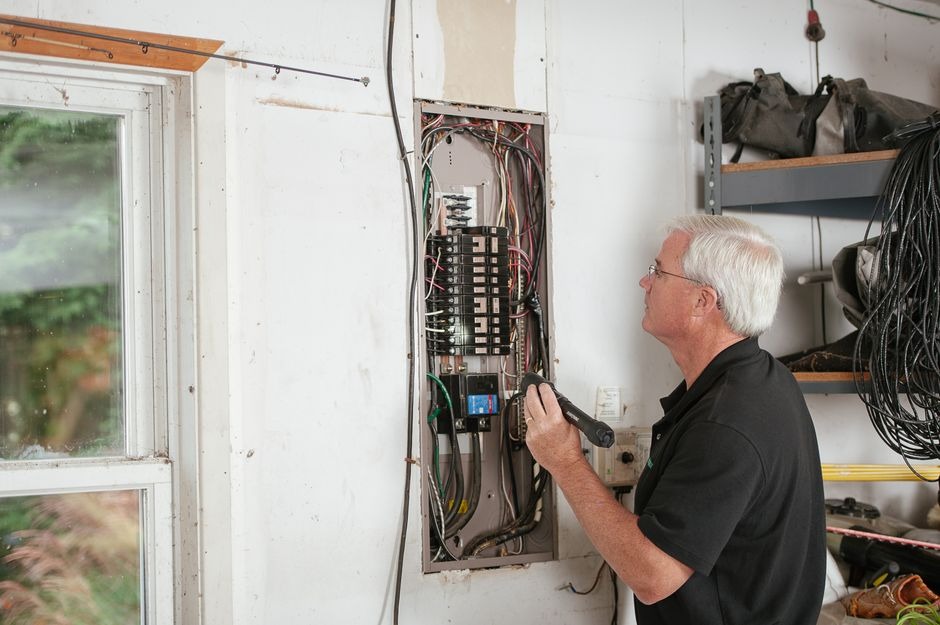
If you rent out property or manage a home, you probably pay attention to leaks, HVAC issues, and appliances first. The electrical panel often gets ignored until something trips, flickers, or fails an inspection. That’s a risky way to handle a system that controls every circuit in the building. Once a panel ages out, the problem usually isn’t just inconvenience. It can affect safety, insurance, renovation plans, and even how attractive your property feels to future tenants.
What your electrical panel actually does every day
Your electrical panel is the distribution hub for the entire property. It takes incoming utility power and routes it across branch circuits to lights, outlets, kitchen equipment, laundry appliances, HVAC units, and more.
When the panel is healthy, this process stays invisible. Breakers trip only when they should, loads stay balanced, and the bus bars maintain solid connections. When the panel starts deteriorating, you may see nuisance tripping, warm breaker faces, buzzing, scorch marks, or dimming lights during routine appliance use.
For landlords, that can turn into repeated maintenance calls that never fully solve the root issue. Replacing a switch or outlet won’t fix a panel with age-related wear, outdated capacity, or internal damage.
Why older rental properties face a higher risk profile
Many older rentals were wired for a very different electrical demand. Decades ago, people weren’t charging multiple devices, running high-powered kitchen equipment, or expecting central air, office setups, and entertainment systems in every room.
That mismatch creates stress on legacy equipment. Panels installed many years ago may have obsolete breakers, limited amperage, or brand-specific defects that electricians and insurers already know to watch for. In practice, this can complicate inspections, delay unit turns, and raise questions during a sale or refinance.
If you own an aging property, upgrading through an electrical panel replacement service can be a practical move when the system no longer matches the building’s load profile. You’re not just replacing a box. You’re restoring reliability to the entire electrical backbone.
The warning signs you should never dismiss
Some panel problems announce themselves clearly. Others build slowly and look harmless at first. A tenant might mention that the microwave and toaster can’t run together, or that a bedroom breaker trips whenever a space heater gets plugged in.
You should also pay attention to rust inside the panel, breakers that won’t reset cleanly, crackling sounds, or a burning smell near the service area. If the panel feels warm or the labels are a mess from years of random additions, that often points to a system that has been patched instead of properly updated.
An older property with added appliances, EV charging, or mini-split systems can outgrow its original panel even if nothing appears broken. Capacity and safety issues often show up together.
How panel issues affect tenants, turnover, and property value
Tenants may not know what an electrical panel is, but they definitely notice its failures. Repeated breaker trips, inconsistent power, dead outlets, and flickering lights make a rental feel neglected fast.
That experience shapes how people talk about the property. Even a well-painted unit with updated flooring can lose appeal if the electrical system feels unstable. For property managers, this often means more complaints, slower renewals, and extra friction during move-ins.
There’s also a value angle. Buyers and inspectors look closely at major systems, especially in older homes and multifamily buildings. A modern panel can support better documentation, easier renovations, and fewer concerns about deferred maintenance. It signals that the property has been upgraded where it counts, not just dressed up cosmetically.
What happens during a professional panel replacement
A proper panel replacement starts with load evaluation, not guesswork. An electrician reviews service size, existing circuits, appliance demand, grounding, bonding, and whether the current setup complies with code.
From there, the project may include a new main breaker panel, updated breakers, service entrance upgrades, meter coordination, grounding electrode work, and circuit labeling. In some cases, damaged conductors or code violations around the panel area also need correction.
Power is usually shut off during the swap, so timing matters, especially in occupied rentals. Good contractors plan for utility coordination, permit requirements, and inspection scheduling to minimize downtime. The result should be more than a clean-looking panel. You want safer distribution, accurate breaker mapping, and enough capacity for current and near-future loads.
The insurance and code issues many owners miss
Insurance carriers have become more attentive to electrical system age and panel brand history. Some outdated panels trigger underwriting concerns because of failure rates, fire risk, or difficulty sourcing compliant replacement parts.
You might not discover that issue until you shop for coverage, renew a policy, or file a claim. At that point, an avoidable electrical problem can become a financial one. Inspectors may also flag double-tapped breakers, improper grounding, missing bonding, or overloaded circuits that stem from panel-related work done over many years.
Code compliance matters during renovations too. If you’re adding major appliances, remodeling kitchens, or converting spaces, the panel often becomes part of the review. A replacement can simplify that process and prevent a small upgrade from turning into a chain of electrical corrections.
How to decide whether repair is enough or replacement makes more sense
Not every panel issue requires a full replacement. Sometimes a failed breaker, loose termination, or isolated circuit problem can be repaired safely. The key question is whether the panel itself remains structurally sound, code-appropriate, and capable of handling present demand.
If the panel is obsolete, undersized, physically damaged, or tied to recurring breaker and load issues, repeated repairs can become false economy. You spend money without resolving the operational risk.
Ask for a detailed assessment. You want to know the amperage rating, remaining capacity, condition of the bus, breaker compatibility, grounding status, and whether any unsafe modifications are present. A clear estimate should separate urgent hazards from optional improvements so you can make a smart decision instead of reacting under pressure.
What a smart property owner does next
If your property shows any of the warning signs, don’t wait for a full outage or emergency call. Start with a licensed electrical inspection focused on the panel and service equipment. That gives you a baseline before tenants lose power, appliances get damaged, or insurance questions land at the worst time.
Keep records of age, prior electrical work, panel brand, and any recurring issues tenants report. Those details help you spot patterns instead of treating each complaint as a one-off maintenance issue.
A modern electrical panel won’t get the attention of new countertops or fresh paint, but it supports everything your tenants use every day. When you manage rentals with long-term value in mind, the most important upgrades are often the ones hidden behind a metal door.