



Some air conditioners seem to keep running reliably for years, while others start causing problems far too soon. One homeowner may get well over a decade of dependable cooling and heating, while another is dealing with breakdowns, poor performance and expensive repairs after only a few summers.
The difference is not always luck. How long an air conditioner lasts depends on the quality of the system, how well it was installed, how hard it works, the environment it operates in and whether it receives regular air conditioning service.
A good air conditioner is a major investment, so it makes sense to look after it properly. With the right care, many systems can last longer, run better and cost less to operate over time.
Quality of the Unit Matters
Not all air conditioners are built the same. Better-quality systems often use stronger components, more efficient technology and better protection against everyday wear. Cheaper units may still work well for a while, but they may not handle heavy use, harsh weather or poor maintenance as well over the long term.
This does not mean you always need the most expensive model. It does mean choosing a system that suits your home, climate and usage. A reliable brand, good warranty support and suitable capacity can make a real difference.
A quality air conditioner still needs maintenance, but it usually gives you a better foundation to work from.
Correct Sizing Makes a Big Difference
An air conditioner that is too small for the space may run constantly and still struggle to keep the room comfortable. This places extra strain on the compressor, fan motors and other components.
An oversized system can also cause problems. It may cycle on and off too often, which can increase wear and reduce efficiency. It may cool the room quickly but fail to manage humidity properly, leaving the space feeling less comfortable.
A correctly sized system does not have to fight the room. It can reach the set temperature more efficiently and maintain comfort without unnecessary strain.
Proper sizing should consider floor area, ceiling height, insulation, sun exposure, windows, layout and how the room is used.
Installation Quality Is Critical
Even the best air conditioner can perform poorly if it is installed badly. Poor installation can lead to refrigerant issues, drainage problems, vibration, noise, poor airflow, electrical faults and reduced efficiency.
A rushed or careless installation may not show problems straight away. The system may work at first, but wear can build over time. Incorrect pipe lengths, poor insulation on refrigerant lines, bad unit placement or poor drainage can all shorten the life of the system.
Choosing a qualified, experienced installer is one of the best ways to protect your investment. Installation is not just about getting the unit on the wall or roof. It is about setting the system up to operate properly for years.
Regular Servicing Helps Prevent Early Failure
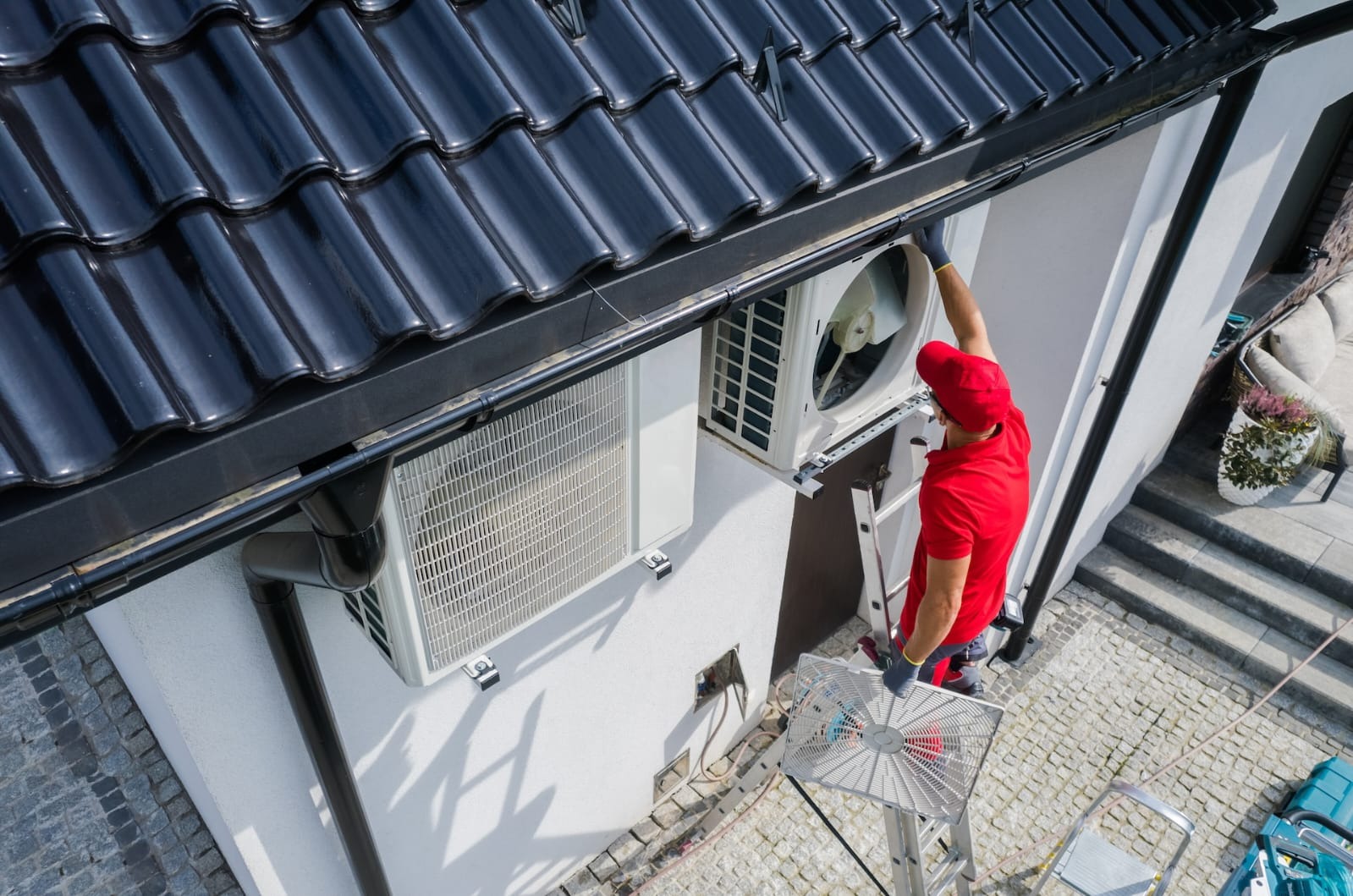
One of the biggest reasons some air conditioners last longer is regular maintenance. A professional air conditioning service can identify small issues before they become major faults.
During a service, a technician may check filters, coils, drains, electrical connections, refrigerant performance, airflow, controls and general operation. This helps keep the system clean, efficient and safe.
Without servicing, dust, dirt and wear can build up. The system may still run, but it may need to work harder to produce the same cooling or heating. Over time, that extra strain can shorten its lifespan.
Skipping servicing may save money in the short term, but it can cost more if the system fails earlier than expected.
Dirty Filters Make the System Work Harder
Filters are one of the simplest parts of an air conditioner, but they have a big impact on performance. When filters become clogged with dust, pet hair and debris, airflow is restricted.
Poor airflow makes the system work harder. It can also reduce cooling performance, increase running costs and affect indoor air quality.
For split systems and ducted systems, filters should be cleaned or replaced according to the manufacturer’s instructions. In homes with pets, dust or frequent use, filters may need attention more often.
This is one of the easiest ways homeowners can help their air conditioner last longer.
Outdoor Units Need Clear Airflow
The outdoor unit needs space to breathe. It releases heat from the system, so if airflow around it is blocked, performance can suffer.
Leaves, weeds, stored items, fences, walls and poor placement can all restrict airflow. When the outdoor unit cannot release heat properly, the system has to work harder. This can increase pressure, energy use and wear on components.
Keeping the area around the outdoor unit clean and clear is a simple but important maintenance step.
If the unit is exposed to heavy debris, coastal air or harsh weather, it may need more frequent inspection and cleaning.
Coastal Conditions Can Shorten Lifespan
Air conditioners installed near the coast often face tougher conditions. Salt air can contribute to corrosion, especially on outdoor units, coils, screws, brackets and metal casing.
Homes in coastal areas may need extra attention when choosing and maintaining air conditioning systems. Anti-corrosion treatments, careful unit placement and regular cleaning may help reduce the impact.
A system in a sheltered inland suburb may last longer than the same model installed close to the ocean if both are maintained the same way.
Environment matters. The harder the conditions, the more important servicing becomes.
Usage Patterns Affect Wear
An air conditioner used every day will naturally experience more wear than one used occasionally. A system running for long hours through hot summers and cold winters is doing a lot of work.
This does not mean frequent use is bad. Air conditioners are made to run. But heavy use makes maintenance more important.
A unit in a busy family home, office, rental property or commercial space may need servicing more often than a unit in a spare bedroom used only occasionally.
The more the system works, the more important it is to keep it clean, checked and operating efficiently.
Temperature Settings Matter
Setting the air conditioner extremely low in summer or very high in winter can make it work harder than necessary. The system has to run longer to reach and maintain those temperatures.
Over time, this can increase energy use and contribute to extra wear. Moderate temperature settings can help reduce strain while still keeping the space comfortable.
The aim should be steady comfort, not forcing the system to fight against unrealistic settings.
Using timers, zoning and smart controls can also help reduce unnecessary running time.
Poor Home Insulation Adds Pressure
An air conditioner does not work in isolation. It is affected by the home around it.
If the house has poor insulation, large unshaded windows, draughts or gaps, cool air escapes and heat enters more easily. The system then has to work harder to maintain the set temperature.
Improving insulation, sealing gaps, using curtains or blinds and reducing direct sun exposure can all help the air conditioner perform better.
A well-insulated home gives the system a much easier job, which may help extend its lifespan.
Drainage Problems Can Cause Damage
Air conditioners remove moisture from the air as they cool. That moisture needs to drain away properly.
If drains become blocked, cracked or poorly installed, water can back up, leak or cause damage. In some cases, blocked drains can lead to mould, odours or system shutdowns.
Regular servicing helps keep drains clear and identifies issues before they become serious.
If you notice water dripping where it should not, musty smells or stains around the indoor unit, it is worth getting the system checked.
Electrical Issues Should Not Be Ignored
Air conditioners rely on safe electrical connections, sensors, capacitors, control boards and wiring. Loose connections, worn components or power issues can affect reliability and safety.
Warning signs may include tripping breakers, burning smells, intermittent operation, strange noises or a unit that struggles to start.
Electrical issues should always be handled by a licensed professional. Ignoring them can create safety risks and may lead to more expensive damage.
A proper air conditioning service can help identify electrical concerns before they cause a breakdown.
Repairs Should Be Done Early
Small problems rarely fix themselves. If an air conditioner starts making unusual noises, leaking water, blowing weak air or struggling to cool, it is better to investigate early.
Delaying repairs can cause one issue to place strain on other parts. For example, restricted airflow may affect coils and compressors. Drain problems may lead to water damage. Electrical faults may worsen over time.
Early repairs can help prevent minor faults from becoming major failures.
Regular Air Conditioning Service Protects Your Investment
A quality air conditioner should provide years of comfort, but its lifespan depends heavily on how it is installed, used and maintained. Some systems last twice as long as others because they are not constantly fighting poor airflow, dirt, bad sizing, harsh conditions or neglected faults.
Booking regular air conditioning service is one of the simplest ways to keep the system running well. It helps maintain efficiency, reduce breakdown risk and identify problems before they become expensive.
If you want your air conditioner to last, do not wait until it stops working. Keep filters clean, keep outdoor units clear, use sensible settings and have the system checked by a professional.