



A rental property works best when small fixes never get the chance to turn into big headaches. The roof is the first shield against the weather, and it quietly protects everything beneath it. When you handle small issues early, you keep tenants comfortable, preserve property value, and avoid emergency calls at 2 a.m.
Delays create a ripple effect. A missing shingle leads to a slow leak. A slow leak turns into stained ceilings, damaged insulation, and warped framing. Before long, you are juggling remediation, scheduling conflicts, and frustrated tenants.
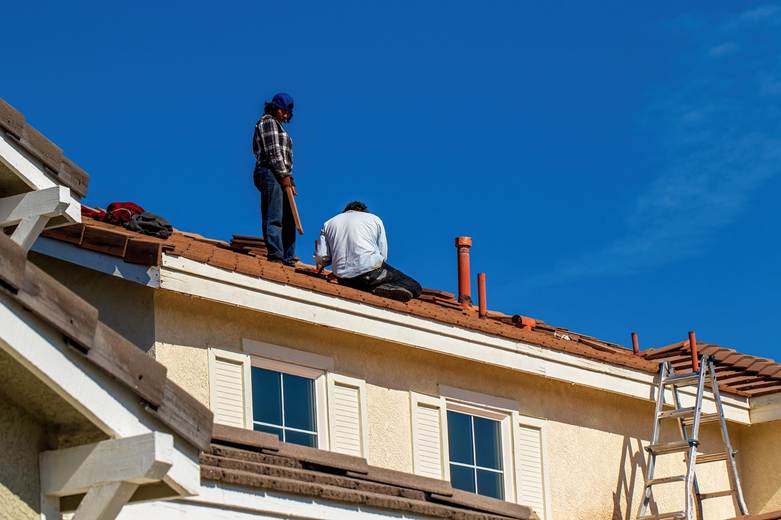
Early Detection Saves Money
Minor roof problems are easier and cheaper to fix than large failures. A loose flashing, lifted shingle, or small puncture often needs a simple repair and a short visit. Left alone, the same flaw can invite wind, rain, and pests, multiplying the cost.
Scheduling routine checks helps you spot issues when they are small. You can plan repairs during fair weather and coordinate around tenant schedules. That simple habit protects your budget and reduces unpleasant surprises.
Create a quick tracking system for each property. Note the roof type, age, last inspection, and known weak points. With a record, you can see patterns, prioritize the next visit, and keep costs predictable.
Planning Ahead Lowers Total Ownership Costs
A roof has a lifecycle, but smart planning can extend its value for every year. Seasonal checkups catch wind-lifted edges, failed sealant, and clogged gutters. Consider booking roofing services in Castle Rock, CO, when your inspection list starts to grow, and you need a professional to verify tricky areas. Then follow up with a simple maintenance plan so future visits are quick and predictable.
Those small fixes prevent pooling water and ice dams that strain materials. A tidy schedule beats emergency shuffling every time.
Think in terms of tiers: immediate repairs, near-term upgrades, and long-term replacement. Budget a modest reserve for the first tier, earmark funds for the second, and update your replacement timeline each year. That structure keeps cash flow steady and the property protected.
Tenant Satisfaction And Legal Risk
Reliable shelter is the core promise of a lease. When a roof problem lingers, tenants lose trust and may withhold rent, request concessions, or escalate complaints. Responding quickly keeps communications calm and professional.
Fast repairs reduce the chances of disputes. A clear process shows you are acting in good faith, and it documents timelines and decisions. That record can be useful if questions arise about habitability or response times.
In practice, it helps to assign a single contact for maintenance. They log the call, schedule the visit, and update the tenant. Consistent communication lowers stress and keeps everyone aligned.
What To Watch During Routine Checks
Start with the basics. Look for missing, cracked, or curling shingles. Check flashing around vents, chimneys, and skylights. Clear gutters and downspouts to keep water moving away from the envelope.
Scan the attic after heavy weather. Look for damp insulation, darkened sheathing, and small daylight points near penetrations. A flashlight and a few minutes can reveal problems invisible from the outside.
Document with photos. A visual log helps you compare conditions. If a spot grows or a seam opens, you can show the change and act before damage spreads.
Staying ahead of roof problems in rental properties is a simple habit with a big payoff. Small repairs preserve interiors, protect tenant comfort, and keep revenue stable.
With steady inspections and prompt fixes, the roof remains a quiet guardian instead of a source of stress. Your future self will thank you for every issue you solved while it was still small.