



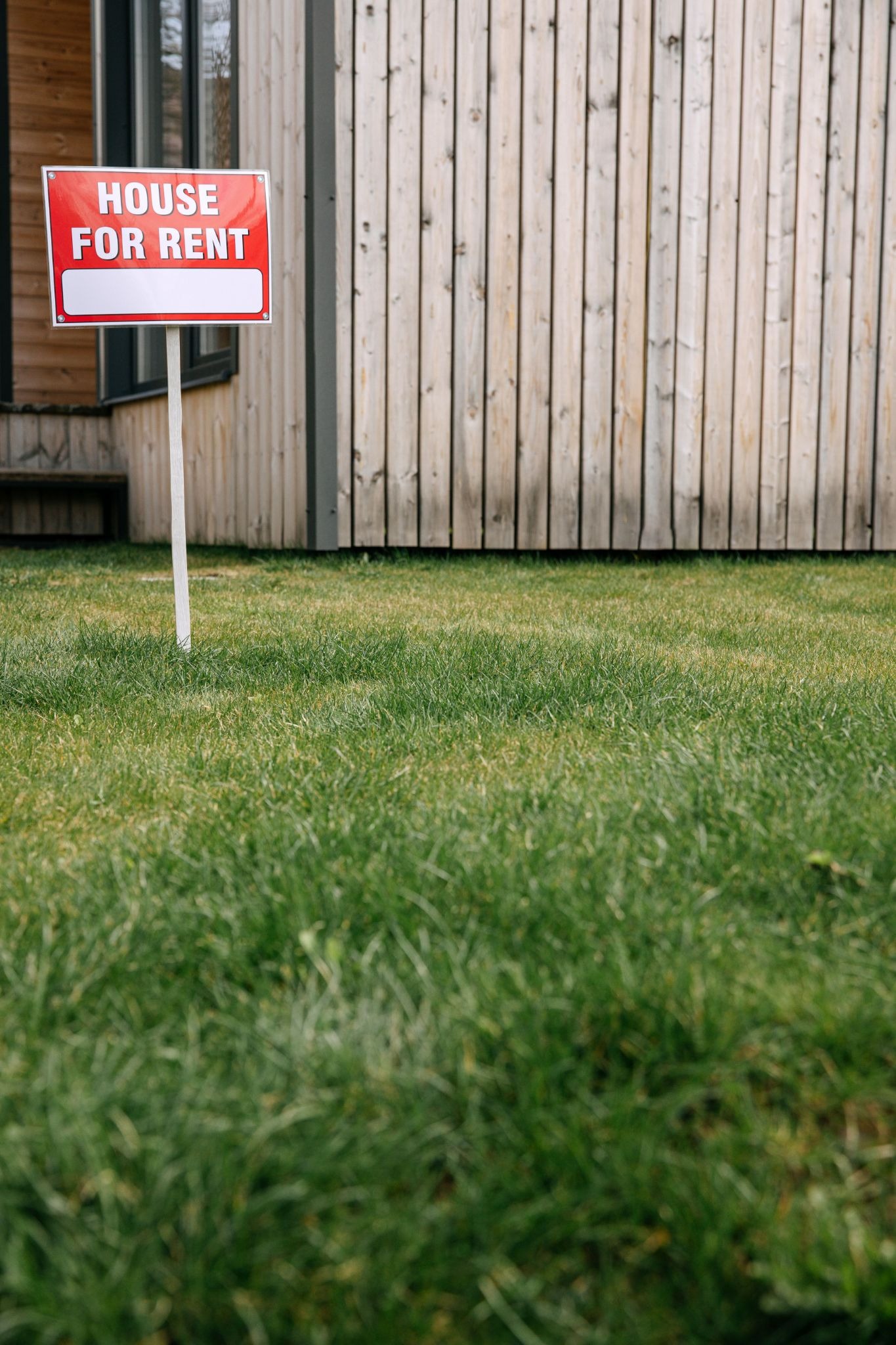
Choosing a rental property comes with a myriad of decisions that each potential landlord needs to consider to ensure they make the right decision and don't find themselves in a position that impacts their wealth and is more trouble than it's worth.
The thing is that not every rental property performs the same even in the same area at the same price point, and going in on gut feeling or reputation alone will just lead to longer vacant periods, lower rental yields, and properties that never quite live up to expectations.
Want to learn more? Here are 4 tips for choosing the right rental location.
Research Demand in Chosen Locations
Before committing to a location, it's a good idea to look at where demand is actually headed, not where it's already peaked. Population growth, job creation, and limited housing supply all feed into how strong rental market is likely to stay over time.
Alex Kleyner has pointed to Miami as a clear example of this, with the city's strong population growth and limited housing supply continuing to drive strong rental demand even as other markets have cooled. If you're unsure if a location is right for you, tracking migration trends and local job growth in any area under consideration gives a much clearer picture than simply going by current asking prices.
Identify the Types of Rentals People Are Looking For
Not every location wants the same type of rental. A city center near a university might have strong demand for smaller units aimed at students, while a suburb full of young families is going to need more three- and four-bedroom homes near good schools. Getting this wrong means a property that sits vacant longer than it should, even in an area with genuinely strong overall demand. Checking local listing sites for what's actively renting the fastest and what's sitting unlet for months gives a quick read on what the local market actually wants.
Assess Regeneration in the Area
Areas going through active regeneration, new transport links, redevelopment projects or a wave of new business openings often see rental demand and property values climb well before the changes are fully finished. Getting in before an area is fully established can mean lower purchase prices with the upside still ahead. Local zoning applications and development announcements are a good place to check what's actually approved and underway rather than relying on general reputation alone.
Understand the Target Residents
Who actually wants to live in an area shapes almost every decision you need to make, from the property type to price point to the amenities worth prioritizing. Young professionals tend to value proximity to transport links and nightlife; families prioritize school district ratings and outdoor space; and retirees often look for quieter areas with good healthcare access nearby. Matching a property to the residents an area naturally attracts rather than trying to force a mismatch will lead to steadier occupancy and fewer surprises down the line.