



Renters notice the details. A property doesn’t need marble floors or designer furniture to feel high-end, but it should look intentional, clean, and comfortable. For landlords and property investors, small upgrades can make a noticeable difference in how tenants perceive a space. A well-presented property often photographs better, attracts stronger applications, and leaves a lasting impression during viewings.
The challenge, of course, is balancing appearance with cost. Overspending on renovations can cut into profits, especially in competitive rental markets. Fortunately, creating a more refined atmosphere usually comes down to thoughtful improvements rather than expensive remodels.
From lighting choices to heating fixtures, several practical updates can make a rental feel more polished without stretching the budget.
1. Upgrade Fixtures Instead of Replacing Entire Rooms
One of the easiest ways to modernize a rental property is by replacing dated fixtures. Kitchens and bathrooms tend to influence tenant decisions the most, but you don’t always need a full renovation to improve them.
Swapping old cabinet handles for brushed brass or matte black hardware can instantly refresh tired units. Replacing standard taps with sleeker designs also gives sinks and vanities a more contemporary look. These small details create a sense of cohesion throughout the property.
Lighting deserves equal attention. Basic ceiling fixtures often make rooms feel flat and uninspired. Warm-toned lighting, pendant fixtures, or wall sconces can create a softer and more welcoming environment. Even changing lampshades or adjusting bulb temperatures can significantly improve the atmosphere.
Tenants often associate these subtle finishing touches with higher-quality properties because the space feels maintained and thoughtfully designed.
2. Make Heating Features Part of the Interior Design
Radiators rarely receive much attention during property upgrades, yet they can affect both comfort and appearance. Old or bulky units often stand out for the wrong reasons, especially in modern interiors where clean lines matter.
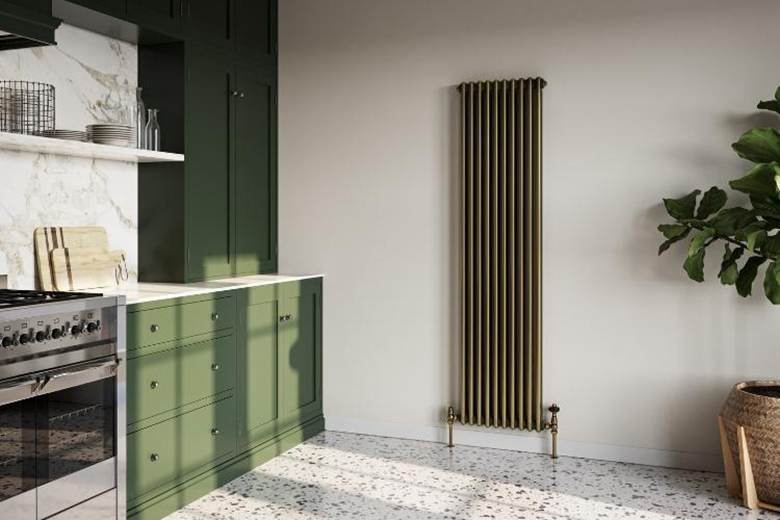
Many landlords now treat heating fixtures as part of the room’s overall design rather than something purely functional. Decorative finishes can help create a more premium look without requiring structural changes. For example, modern gold radiators can add warmth and character while complementing neutral interiors and contemporary décor styles. The designer options available at ukradiators.com show how practical fixtures can contribute to a more refined aesthetic.
This type of upgrade works particularly well in living rooms, hallways, and open-plan spaces where radiators remain visible. Instead of trying to hide them, landlords can use them as subtle design features that elevate the room.
3. Focus on Paint and Colour Consistency
Fresh paint remains one of the most cost-effective ways to improve a rental property. However, colour choice matters just as much as cleanliness.
A consistent palette throughout the property creates a more polished appearance. Soft neutrals, warm whites, muted greys, and earthy tones tend to appeal to a wider range of tenants because they make spaces feel brighter and adaptable.
Accent walls can work in some properties, but overusing bold colours may limit appeal. In most cases, understated tones create a calmer and more spacious feel.
Consistency also applies to finishes. Mixing different paint textures or shades from room to room can make a property feel disjointed. A unified approach gives even smaller rentals a more considered and upscale atmosphere.
Also, pay attention to skirting boards, door frames, and ceilings during repainting projects. These areas often collect marks over time, and refreshing them helps the entire property feel cleaner and newer.
4. Improve Storage Without Major Renovations
Storage influences how functional a rental feels. Even attractive properties can seem impractical if tenants struggle to organize their belongings.
Built-in storage can be expensive, but there are more affordable ways to improve usability. Floating shelves, slim hallway cabinets, and under-sink storage units increase convenience without requiring extensive work.
Wardrobes also deserve attention. Simple additions such as interior organisers, matching hangers for staging, or better lighting inside wardrobes can create a more premium impression during viewings.
In smaller rentals, multipurpose furniture can help maximize space. Benches with hidden storage or compact dining tables with shelving underneath often appeal to tenants who value practicality.
These upgrades may seem minor individually, but together they help a property feel more thoughtfully planned.
5. Add Texture Through Soft Furnishings and Finishing Touches
Even unfurnished rentals benefit from a small amount of styling during marketing photographs and viewings. Soft furnishings can make rooms feel warmer and more inviting without requiring permanent changes.
Curtains, rugs, cushions, and throws help soften hard surfaces and add depth to interiors. Neutral fabrics with subtle textures usually work best because they create visual interest without overwhelming the room.
Mirrors also play an important role. Strategically placing mirrors can make smaller rooms feel brighter and larger by reflecting natural light.
Artwork, plants, and decorative accessories should remain minimal but intentional. Too many decorative items can make a rental feel cluttered, while carefully chosen accents help tenants picture themselves living there.
This approach works especially well in competitive rental markets where presentation influences online engagement. A property that feels bright and cohesive often performs better in listings and during in-person viewings.
6. Prioritize Maintenance Before Decorative Upgrades
Luxury is not only about appearance. Tenants also associate quality with functionality and upkeep. A stylish property quickly loses appeal if doors stick, taps leak, or flooring feels worn.
Before investing in decorative improvements, address maintenance issues first. Clean grout lines, smooth-closing doors, working ventilation, and properly sealed windows contribute to a better living experience.
Flooring deserves particular attention. Replacing damaged carpets or refinishing worn wooden floors can completely change how a property feels. Even professional deep cleaning between tenants helps maintain a fresher and more premium atmosphere.
Properties that feel well cared for tend to attract tenants who value the space and may stay longer as a result.
Small Improvements Often Deliver the Biggest Impact
Creating a more luxurious rental property doesn’t always require major renovations or a large budget. In many cases, thoughtful updates create the strongest impression because they improve how the space looks, feels, and functions on a daily basis.
Simple changes such as updated lighting, modern fixtures, consistent paint colours, and decorative heating solutions can make interiors feel significantly more refined. When you focus on presentation alongside practicality, you’ll create properties that stand out to prospective tenants without overspending.
Over time, these smaller improvements can contribute to stronger tenant interest, better first impressions, and a rental that feels more comfortable and contemporary from the moment someone walks through the door.