



What College Students Should Know Before Renting Their First Apartment
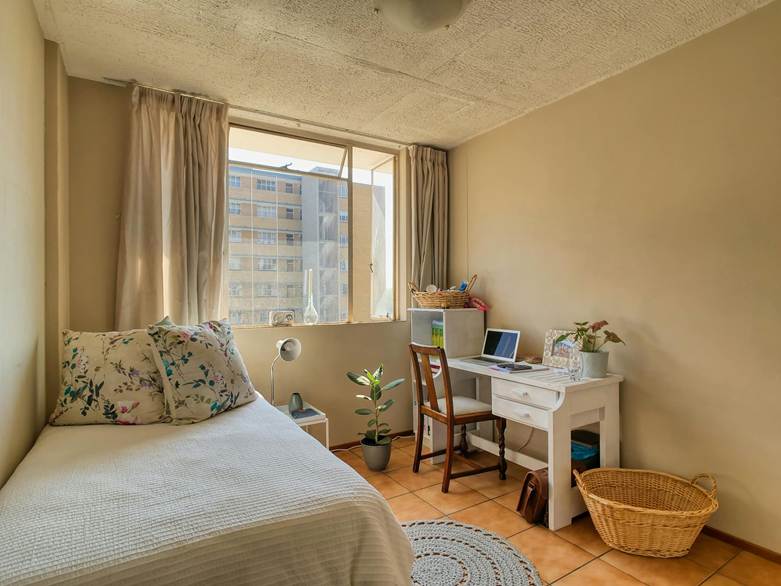
Renting a first apartment can make a student feel strangely powerful for about fifteen minutes. Then the questions begin. Who pays for trash pickup? Why is the deposit so high? Is that stain on the ceiling old, or is it becoming a problem? The first apartment is not only a place to sleep. It is a test of judgment that most students do not expect.
For many students, moving out of dorm life is the first time they deal with real monthly responsibility. A student may already manage deadlines, exams, and academic guidance for dissertation writing, but housing introduces pressure that cannot be postponed or negotiated. Rent does not wait for a better week.
This shift often feels subtle at first. There is excitement, a sense of independence, maybe even relief from shared dorm spaces. But that feeling fades quickly when costs begin to stack up and responsibilities stop being optional.
KingEssays supports students with academic tasks, but an apartment lease requires a different kind of discipline. Once signed, it becomes a fixed commitment. There is no revision, no extension, no easy exit.
Start With the Budget Nobody Wants to Make
A realistic first apartment checklist for college students should begin with the full cost of living, not just the rent. Rent is the number landlords advertise because it looks simple. The real monthly cost is usually messier.
Students should calculate:
Expense | Why students forget it |
Rent | It feels like the main cost |
Security deposit | It is often due before moving in |
Electricity | It changes by season |
Water and trash | Sometimes included, sometimes not |
Internet | Essential for classes |
Food | More expensive without a meal plan |
Transportation | Campus may not be as close as it looks |
Renters insurance | Small cost, big protection |
The mistake many students make is choosing the apartment they can barely afford. That may feel manageable during a calm week. It feels very different when textbooks, groceries, medicine, or travel costs appear at the same time.
The Lease Deserves More Attention Than the Tour
The apartment tour is emotional. The lease is legal. Students should not let good lighting and a clean kitchen distract them from the document that decides what they are actually agreeing to.
Before signing, a student should check:
- How long the lease lasts
- When rent is due
- What late fees apply
- Whether subletting is allowed
- How maintenance requests are handled
- What happens if a roommate leaves
- How much notice is required before moving out
- What conditions affect deposit return
This is one of the most important apartment renting tips for students because landlords may use language that sounds normal but creates real limits. A student who plans to leave for summer should know whether the lease still requires payment during those months.
Roommates Are Financial Partners, Not Just Friends
A good friend is not always a good roommate. That sounds cold, but many students learn it too late. A roommate relationship includes money, noise, dishes, guests, sleep, stress, and habits nobody talks about until they become annoying.
Before moving in, students should discuss rent, utilities, cleaning, groceries, visitors, quiet hours, and what happens if someone cannot pay on time. This conversation may feel awkward for twenty minutes. Avoiding it can create months of resentment.
Students should also avoid putting all utilities under one person’s name without a written agreement. Trust is nice. Screenshots and shared payment records are better.
Location Is Not Only Distance From Campus
A place can be close to campus and still be inconvenient. Students should think about how they will live there at 8 a.m., 8 p.m., and during bad weather.
A useful college student apartment guide should include questions such as:
Question | Why it matters |
Is there a grocery store nearby? | Food costs rise without easy access |
Is the route safe at night? | Evening classes and work shifts matter |
Is parking available? | Street parking can become stressful |
Is public transport reliable? | Missed buses can affect attendance |
Is laundry in the building? | Laundry becomes a real weekly task |
Students at large universities such as UCLA, NYU, and the University of Michigan often deal with expensive housing markets near campus. That does not mean every student must live far away to save money. It means the location decision should be made with energy, safety, and routine in mind.
Inspect the Apartment Without Feeling Embarrassed
Some students feel uncomfortable testing faucets or opening closets during a viewing. They should do it anyway. Renting your first apartment in college means learning to notice problems before they become your problems.
Students should check water pressure, locks, windows, heating, air conditioning, outlets, appliances, ceilings, floors, and signs of pests. They should take photos before moving in. Every scratch, stain, broken blind, and chipped tile should be documented and sent to the landlord or property manager.
This is not being difficult. It is protecting the deposit.
Ask Direct Questions
Students should not try to sound overly polite when money and housing are involved. Clear questions prevent confusion later.
Good questions include:
- Are utilities included in rent?
- How much is the security deposit?
- Is renters insurance required?
- Who handles repairs?
- How fast are maintenance requests answered?
- Are there extra fees?
- Can guests stay overnight?
- Is the apartment furnished?
- What is the policy for breaking the lease?
- How and when is the deposit returned?
Good off campus housing tips for students are often boring, but boring information is exactly what makes an apartment livable.
Safety Should Be Treated as Normal
Safety is not dramatic. It is ordinary. Students should check locks, smoke detectors, lighting, building entrances, stairwells, and emergency exits. They should also visit the area at different times of day if possible.
A student should pay attention to how the landlord reacts to safety questions. A responsible landlord answers clearly. A dismissive answer is information too.
Think About Daily Life, Not Just Move In Day
Many apartments look acceptable when empty. The real test is daily life. Where will the student study? Where will laundry go? Can groceries be carried from the store without misery? Is there space to cook? Is the bedroom quiet enough for sleep?
The first apartment should support the student’s life, not turn every basic task into a negotiation.
What Students Usually Learn After Moving In
Almost every student discovers something unexpected after leaving campus housing. The lesson may be small, but it sticks.
They learn that trash fills up fast. They learn that toilet paper is not magically replaced. They learn that one messy roommate can change the mood of an entire apartment. They learn that silence can feel peaceful one week and lonely the next.
These lessons are not failures. They are part of becoming more aware of how daily life actually works.
The Apartment Should Not Take Over the Student’s Life
The best first apartment is not always the prettiest one. It is the place that lets a student study, sleep, eat, work, and still feel somewhat steady. A student should not choose a space only to impress friends or escape dorm rules.
The better question is not, “Can this student get approved for the apartment?” The better question is, “Can this student live here without constant pressure?”
That answer matters more than the view, the furniture, or the excitement of holding the first set of keys.