



Gutters and downspouts rarely get much attention when homeowners think about property value. Fresh paint, a remodeled kitchen, or a new front door may look more exciting. Drainage systems, however, deal with one of the biggest threats to a home: unwanted water.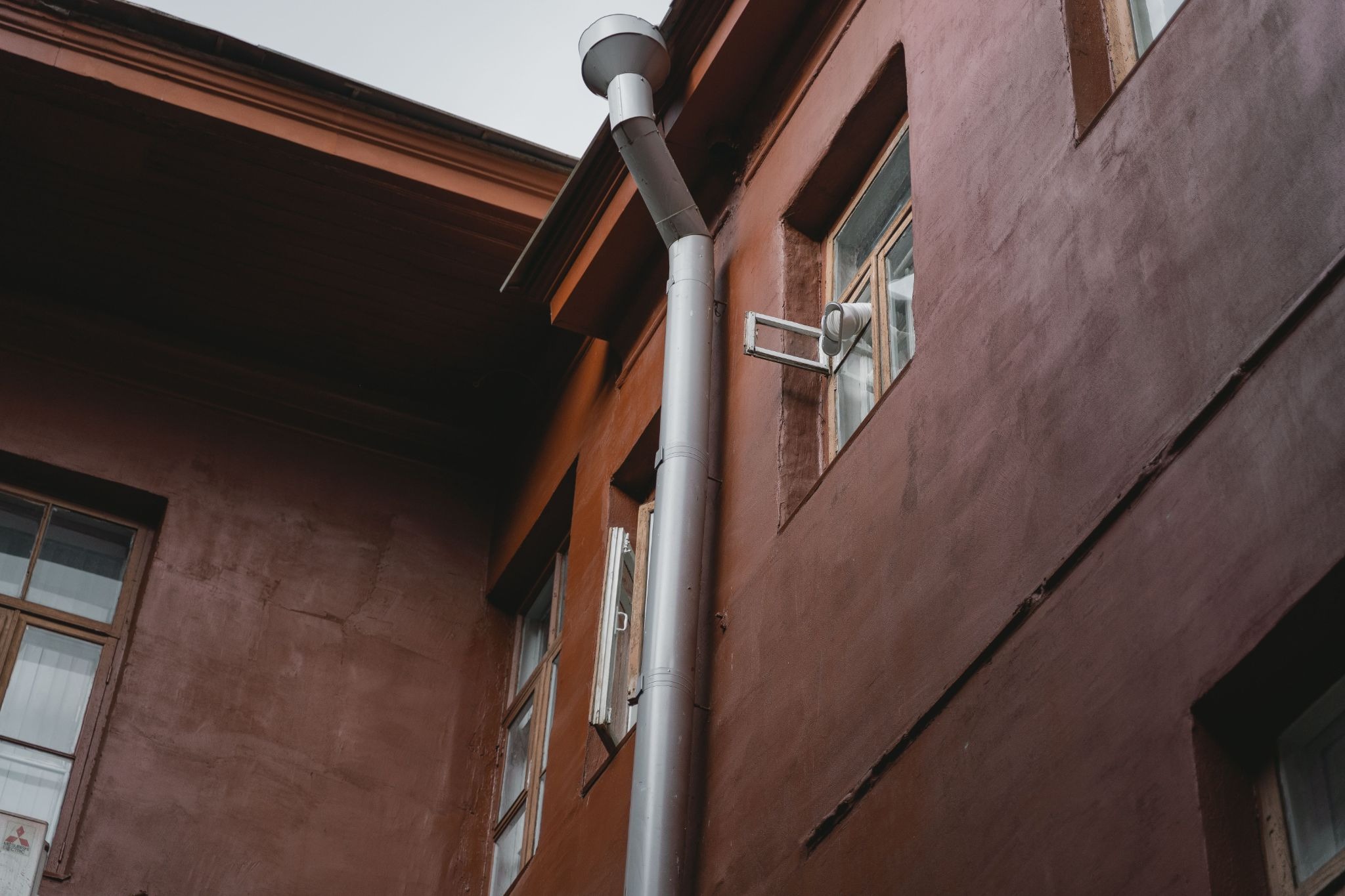
Rainwater that is allowed to collect around a foundation can contribute to soil erosion, basement moisture, damaged landscaping, and costly repairs. A simple gutter system directs water away from vulnerable areas and helps keep those problems under control.
For homeowners preparing to sell, these features may not be a major selling point. Their condition can still influence how buyers view the property, particularly when visible water damage or drainage problems raise concerns about future expenses.
Why Buyers Notice Water Problems
A buyer may not walk onto a property thinking about downspout extensions. They may notice something more obvious, such as puddles near the foundation, muddy soil, stained siding, or water marks in a basement.
These signs can lead to questions about how water moves around the property. Buyers may also pay attention during an inspection, where drainage conditions can become part of a broader assessment of the home's condition.
Homeowners looking for a faster sale sometimes research direct-sale options such as NJ iBuyers. Even with this type of transaction, knowing whether gutters and drainage systems are working properly can help a seller understand the property's condition before discussing an offer.
Gutters Do More Than Catch Rain
A gutter collects rainwater as it runs off the roof. Without one, water can fall directly beside exterior walls and create concentrated wet areas around the home.
A properly completed gutter installation directs rainwater toward downspouts, which carry it to a suitable discharge point. This simple process can reduce the amount of water reaching the soil immediately around the foundation.
Gutters also help protect siding, doors, windows, exterior trim, and landscaping from repeated runoff. When they become clogged with leaves, dirt, or other debris, water can overflow instead of following its intended path.
A Five-Minute Gutter Check
You do not need specialized equipment for a basic visual inspection. Walk around the property after a period of rain and look for:
What to Check | What It May Indicate |
Water spilling over gutters | Clogs or poor drainage |
Sagging gutter sections | Loose supports or excess weight |
Rust or visible holes | Aging or damaged material |
Loose downspouts | Connection or installation problems |
Puddles near the foundation | Poor water discharge |
Soil washed away below a downspout | Concentrated runoff |
A quick check can reveal small problems before they turn into expensive ones.
Downspouts Need a Clear Exit
A downspout only works properly when water has somewhere appropriate to go. If it releases water directly beside the foundation, the gutter may simply be moving the problem from the roof to the ground.
Downspout extensions can carry water farther away from the house. Some properties use underground drainage systems, splash blocks, grading, or other methods to guide runoff.
The right solution depends on the property's slope, soil, local weather, landscaping, and existing drainage setup. Water should not be directed toward a neighboring property or another area where it can create a new problem.
Small Drainage Issues Can Become Expensive
Water damage rarely appears all at once. A minor drainage problem can repeat every time heavy rain arrives. Over time, persistent moisture may affect soil around the foundation or contribute to damp areas inside the home.
Poor grading can make matters worse. Ideally, the ground around a house should guide water away rather than allowing it to collect against exterior walls.
Look for signs such as cracked soil, standing water, eroded areas, damp basement corners, peeling paint, or unusually soft ground. None of these signs automatically proves a serious structural problem, yet they deserve attention before listing a property.
A Little Maintenance Goes a Long Way
Gutter maintenance is one of those jobs that is easy to postpone because the system is out of sight. Cleaning gutters periodically can help prevent blockages and overflow.
Check them after heavy storms as well. Strong winds can loosen sections, move debris into gutters, or damage downspouts. Trees near the roof may also increase the amount of leaves and small branches entering the system.
If a gutter is damaged, replacing one section may be enough. More extensive problems may require professional assessment. Keeping records of completed repairs can also help answer questions from prospective buyers.
Drainage Adds Value Without Looking Valuable
A working drainage system does not necessarily make a home look more attractive in listing photos. Its value comes from preventing problems that buyers do not want to inherit.
Think of it as preventive maintenance. A few properly positioned downspouts and clean gutters can help protect exterior surfaces, landscaping, and foundation areas from repeated exposure to runoff.
For sellers, this creates a useful distinction: not every improvement needs to make the home prettier. Some improvements simply make the property easier to trust.
Before Listing, Walk the Water Path
Take one slow walk around the house after rainfall. Start at the roof and follow the path water should take through the gutters and downspouts. Then look at where it actually ends up.
Check whether water is overflowing, pooling, flowing toward the house, or washing away soil. This simple exercise can reveal issues that are difficult to spot on a dry day.
If repairs are needed, address practical problems first. A clean, functional drainage system gives buyers fewer reasons to worry about hidden maintenance costs.