



A beautiful floor plan can lose its spark in a dark room. A smart layout can still feel forgettable when the room looks dim. Light works faster than layout. It creates mood, reveals space, and tells buyers where to look.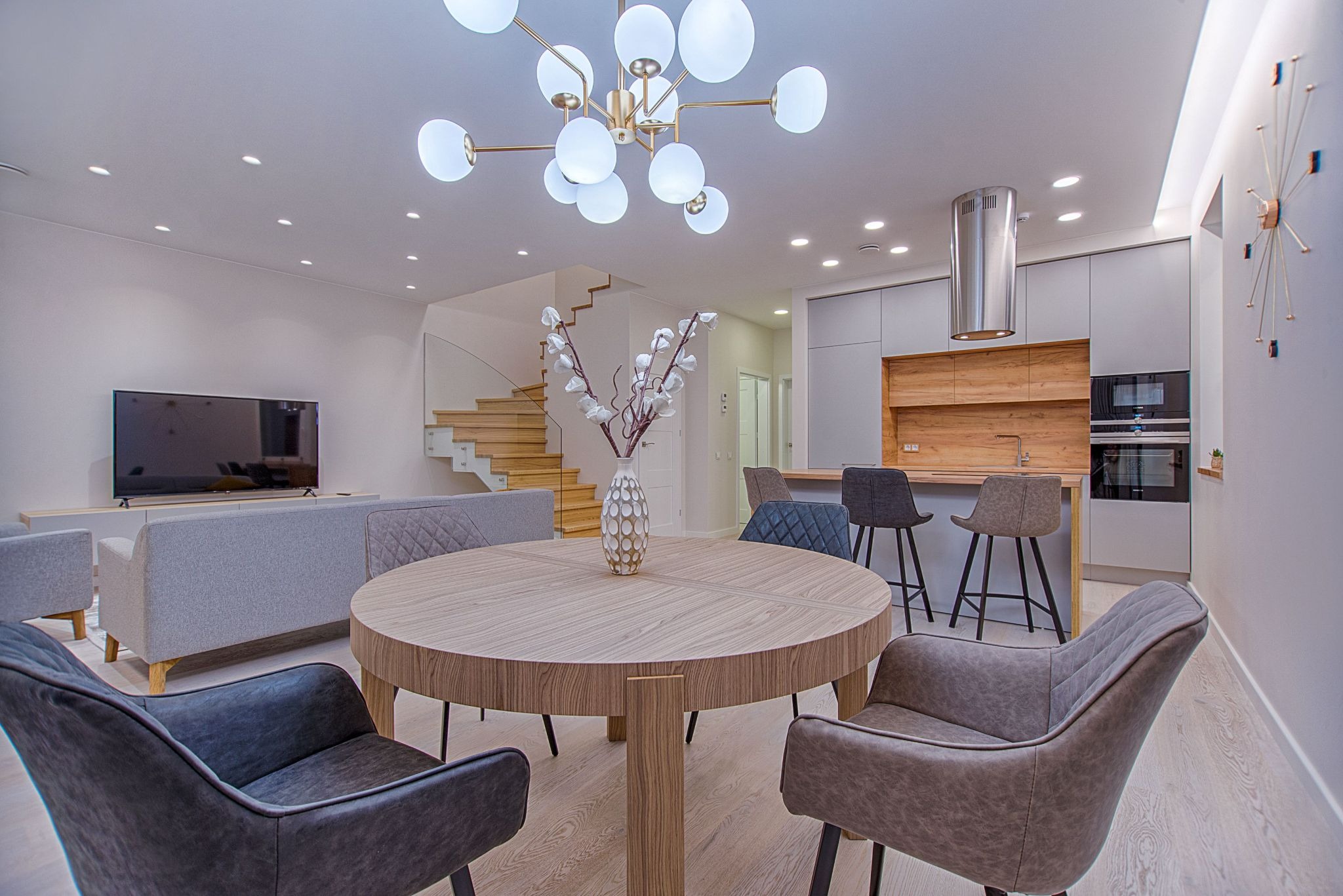
That does not make layout unimportant. Room flow matters. Lighting helps buyers understand it in seconds. A bright hallway looks connected. A well-lit kitchen feels usable. A glowing living room feels ready for life.
Lighting Idea No. 1: Win the First Look
A listing photo gets very little time to make an impression. Dark images can flatten rooms, hide corners, and make colors look tired. Bright, balanced lighting gives the camera more to work with and makes a home feel more open.
Before photos, pull back curtains, clean windows, turn on lamps, and replace dead bulbs. Those moves can change the frame.
Lighting Idea No. 2: Give Each Room Its Moment
Every room has a different rhythm. Kitchens need focused light over counters and islands. Living rooms benefit from comfortable layers around seating. Bedrooms usually feel better with softer, warmer illumination.
Layering is the secret. Pair overhead fixtures with lamps, sconces, or under-cabinet lighting where practical. Multiple sources soften shadows and keep rooms from feeling washed out.
For sellers weighing presentation choices, sell my house fast Minneapolis can be a useful reference when thinking of selling for cash. Lighting joins other simple details, including cleanliness, curb appeal, and overall condition.
Lighting Idea No. 3: Rescue Forgotten Corners
Every property has a spot that seems to disappear. It might be a narrow hallway, basement stairway, empty corner, or dark space beside a cabinet. When those areas fade into shadow, buyers may assume they have little purpose.
Give those spaces a little attention. Add a practical fixture, place a lamp where it fits, or use a mirror to bounce available light. The goal is simple: make useful space visible.
Lighting Idea No. 4: Make Small Rooms Read Bigger
Lighting can change how buyers read dimensions. A compact room may feel more generous when light reaches its walls, ceiling, and corners. One lonely ceiling fixture often leaves too much of the room in shadow.
Use several light points when possible. A floor lamp can send light upward, a table lamp can brighten a dark side, and wall lighting can add depth. Good illumination also clarifies pathways and furniture placement.
Lighting Idea No. 5: Give Exterior Areas Some Energy
A showing starts at the curb. A dark porch, dim walkway, or weak entry light can make a property feel less inviting before buyers even reach the handle.
Clean exterior fixtures and replace burned-out bulbs. Light steps, pathways, house numbers, and the front door where needed. Good exterior lighting adds visibility and arrives feel intentional.
Lighting Idea No. 6: Skip the Glare
Brighter is not automatically better. A harsh bulb can create glare, sharp shadows, and an uncomfortable atmosphere. Mismatched bulb colors can make connected rooms look disconnected.
Aim for balance. Check bulbs throughout adjoining spaces and replace obvious mismatches. Warm-to-neutral light often feels comfortable in living areas while still keeping finishes easy to see.
Lighting Idea No. 7: Let Daylight Do Some Work
Natural light is free staging power. Heavy curtains, dusty glass, or bulky furniture blocking windows can waste it. Keep windows clean and arrange furniture so daylight can travel deeper into the room.
Schedule photos when rooms receive their strongest natural light. Turn on interior fixtures too, especially where daylight leaves shadows. Together, they can make a room lively without feeling staged.
Lighting Idea No. 8: Point Eyes Toward Strong Features
Good lighting does more than brighten. It directs attention. A pendant can pull focus toward a kitchen island. Accent lighting can make a fireplace, built-in shelves, artwork, or textured wall stand out.
Use that effect with restraint. The goal is to help buyers notice details that give a home personality and make its layout easier to understand.
Conclusion
Layout decides how a home works. Lighting helps buyers see that story quickly. When rooms are bright, balanced, and easy to read, strong spaces get a fair chance to speak for themselves.
Before knocking down walls or rearranging everything, walk through each room at different times of day. Look for shadows, glare, blocked windows, and forgotten corners. Sometimes it does not need a new layout. It needs better light.
Buyer Questions, Answered
1. Can lighting really affect how fast a house sells?
Lighting can strengthen first impressions and improve listing presentation. It cannot guarantee a faster sale because price, condition, location, demand, and layout still influence buyer decisions.
2. Should every room use the same bulb color?
Connected spaces usually look more polished when bulb colors are reasonably consistent. Different rooms can use different tones when the lighting suits their purpose.
3. Is natural light enough for a showing?
Not always. Interior fixtures can fill shadows and keep darker corners visible on cloudy days, late afternoons, or evening appointments.
4. Which areas should sellers light first?
Start with entryways, kitchens, living rooms, bathrooms, hallways, stairs, and any dark room featured in listing photos.
5. Do lighting upgrades need to be expensive?
No. Cleaning fixtures, replacing dead bulbs, opening window coverings, adding lamps, and correcting uneven lighting can create a noticeable visual improvement without major remodeling.