



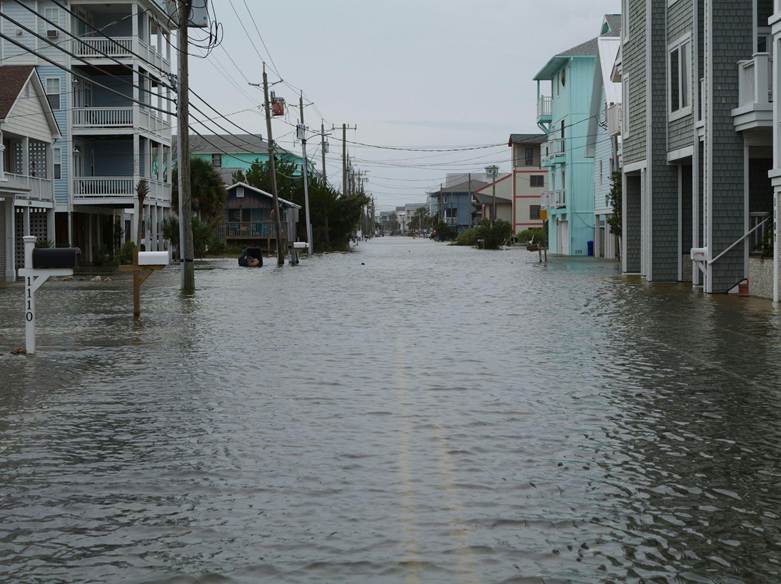
In urban real estate markets, property value is influenced by far more than location and design. The condition of a property, particularly how it has handled and recovered from damage, plays a critical role in shaping long-term worth. In densely built environments, where buildings share infrastructure and proximity, even minor damage can have broader implications. Water intrusion, structural wear, or delayed repairs can gradually affect not only individual units but also the perception of the entire property.
As buyers and investors become more informed, they are placing greater emphasis on maintenance history and risk exposure. Properties that show evidence of unresolved or poorly managed damage often face reduced demand, while those that demonstrate consistent care and proper recovery tend to retain their value more effectively. This shift highlights the importance of viewing property damage not as a temporary setback, but as a factor with lasting financial and structural implications.
The Hidden Costs of Delayed Repairs
When property damage is not addressed promptly, the financial impact extends far beyond the initial issue. Water damage, for example, can lead to mold growth, compromised materials, and long-term structural concerns. In urban settings, where units are interconnected, these problems can spread, increasing repair costs and complicating restoration efforts.
Delayed action also affects market perception. Potential buyers often interpret unresolved issues as a sign of broader neglect, leading to lower offers or reduced interest. Even after repairs are completed, the history of damage can influence how a property is evaluated. Addressing issues early not only limits physical deterioration but also helps preserve the confidence of future buyers and investors.
The Role of Professional Restoration in Value Preservation
Effective restoration is essential for maintaining property value after damage occurs. Professional services ensure that underlying issues are fully resolved rather than temporarily concealed. This includes addressing structural integrity, moisture levels, and environmental factors that could lead to recurring problems if left untreated.
Working with specialists connected to Regent Restoration reflects a commitment to thorough recovery. Proper restoration not only repairs visible damage but also restores confidence in the property’s condition. In competitive urban markets, this level of attention can make a significant difference, helping properties maintain their standing and avoid long-term depreciation.
Impact on Buyer Perception and Marketability
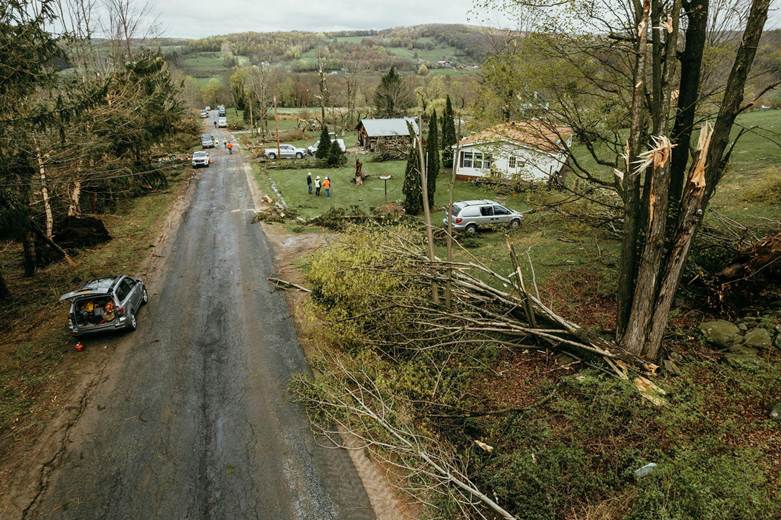
Photo by Clay Banks on Unsplash
Buyer perception plays a major role in determining property value, particularly in urban environments where options are abundant. Even well-located properties can struggle to attract interest if there is uncertainty about their condition. Visible signs of past damage, or a lack of clear documentation regarding repairs, can raise concerns that influence purchasing decisions.
Transparency and quality of restoration directly affect how a property is perceived. When buyers feel confident that issues have been properly addressed, they are more likely to engage with the property at its intended value. This reinforces the importance of not only completing repairs but also maintaining clear records that demonstrate the extent and quality of the work performed.
The Influence of Building Reputation on Individual Units
In multi-unit buildings, the reputation of the property as a whole can significantly influence the value of individual units. Damage affecting shared systems, such as plumbing, roofing, or structural components, can impact multiple residences, even if the issue originates in a single area. As a result, the overall condition of the building becomes a key factor in determining value.
Properties like spire condos seattle wa illustrate how building reputation and maintenance standards contribute to market appeal. Consistent upkeep and timely repairs help maintain confidence among buyers, ensuring that individual units benefit from the overall perception of quality. This interconnected dynamic makes proactive maintenance essential for preserving value across the entire property.
Long-Term Financial Implications of Property Damage
Property damage has lasting financial implications that extend beyond immediate repair costs. Insurance premiums, resale value, and future maintenance expenses are all influenced by how damage is managed. Poorly handled repairs can lead to recurring issues, increasing long-term costs and reducing overall return on investment.
In contrast, properties that demonstrate a history of proper maintenance and effective restoration tend to perform better in the market. Buyers are willing to pay a premium for confidence and reliability, recognizing the reduced risk associated with well-maintained properties. This highlights the importance of viewing damage management as an investment in long-term value rather than a short-term expense.
Preventative Strategies for Maintaining Property Value
Preventative maintenance is one of the most effective ways to protect property value in urban real estate. Regular inspections, early intervention, and consistent upkeep help identify potential issues before they develop into significant problems. This approach reduces the likelihood of major damage and ensures that systems remain in good working condition.
Over time, these strategies create a stable foundation for long-term value retention. Properties that are actively maintained not only avoid costly repairs but also maintain stronger market positions. In competitive urban environments, where buyers have many options, this level of care can be a defining factor in sustaining both demand and value.