



Home renovation projects bring excitement and fresh beginnings to any property. Preparing for the long construction process requires careful thought to keep everything running smoothly. Many property owners jump into these projects without a clear strategy.
A successful upgrade relies on smart choices from the very first day. Avoiding basic structural errors saves valuable time and prevents unnecessary stress later. Proper guidance helps you navigate the complicated choices ahead.

Set A Realistic Budget
Finances dictate exactly what you can achieve during a property renovation. Establishing a firm spending limit like $20000 prevents your layout project from stalling halfway through completion. Many people forget to track minor hidden expenses. Tracking every dollar keeps your final budget accurate.
Setting aside 15% or 20% for unexpected issues represents a smart financial move. Older buildings frequently hide serious structural problems behind their plaster walls. This extra funding acts as a secure safety net for your wallet.
Stick closely to your financial boundaries once the physical construction work begins. Changing your mind mid-project increases the total bill rapidly. Clear spending limits keep the entire renovation affordable and manageable. Sticking to the initial plan protects your bank account from draining.
Map Out The Design Early
Drafting your layout beforehand prevents major errors during the busy construction phase. You must confirm that every measurement fits your daily routines and physical space perfectly. Changing layout designs later creates major delays. Pre-planning prevents mistakes before they become permanent.
Design choices influence how you experience your home every single day. If you’re planning a Burr Ridge bathroom remodeling or a Naperville kitchen renovation for your upcoming upgrade, every design detail should support both comfort and long-term functionality. Careful planning also helps contractors avoid installation conflicts that could delay the entire remodeling timeline.
Think about how foot traffic moves through the rooms before finalizing plans. Poorly placed doors or tight hallways create permanent annoyances for residents. Take your time during this initial planning phase. Good traffic flow makes your home more comfortable.
Research Your Material Choices
Selecting materials involves balancing visual beauty with long-term durability. Some high-maintenance surfaces require constant cleaning, which might not fit your busy lifestyle. Choose sturdy products that withstand heavy daily wear. Durability matters when you invest in high-use spaces.
An academic paper revealed that maximizing interior design and building space represents a critical factor during structural updates. Smart material placement makes small rooms feel much larger. Your layout choices dictate the long-term utility of the property.
High-quality paints and flooring options save money over the coming years. Cheap alternatives wear down quickly and require frequent replacement. Spending more money upfront often yields far better results.
Account For Social Impacts
Home changes affect more than just the physical walls of a house. Renovations alter your daily family routines and touch the lives of your household members. Planning around these shifts keeps the household happy.
A recent report indicated that modern assessment methods must do a better job of incorporating social and economic impacts alongside environmental factors. Local construction changes your neighborhood environment. Understanding these broader effects helps you manage the project responsibly.
Talk with your close neighbors before the heavy trucks arrive at your property. Clear communication reduces friction regarding loud noise and parked work vehicles. Good relationships make the entire building process smoother. Informing them about timelines maintains peace on your street.
Define Your Project Scope
Scope creep happens when you add minor tasks to the original construction agreement. A small change here and there quickly expands into a massive undertaking. Write down your exact goals before hiring contractors. Clear boundaries keep the job focused on your primary needs.
Prevent Scope Creep
A detailed written checklist protects your project from growing unmanageable. When you define every task early, you prevent costly misunderstandings with the builders. Stick to the original document to protect your sanity.
Saying no to mid-project additions keeps your timeline completely intact. New design ideas can wait for a separate future project down the line. Focus entirely on the immediate contract goals.
Schedule The Work Order
Completing tasks in the wrong sequence leads to expensive re-work. Painting walls before fixing the plumbing can ruin your brand new surfaces. A logical timeline guides the building team efficiently. Consulting with your contractor establishes the proper order of events.
Following a step-by-step checklist organizes the labor. Managing a schedule means tracking several distinct milestones:
- Demolition of old structures
- Installation of hidden utilities
- Fine structural trim work. These steps keep the tradespeople moving forward without schedule conflicts.
Material deliveries must align with the active building phases to avoid blockages. Storing expensive appliances too early leaves them exposed to dust and accidental damage. Coordinate with suppliers to match your timeline. Timely arrivals keep the tradesmen working without breaks.
Prepare For Daily Disruptions
Living inside an active construction zone tests the patience of any homeowner. Dust and loud noises become a normal part of your morning routine. Preparing a temporary living zone keeps your family comfortable. Designating a construction-free zone gives you a quiet escape.
Set up a temporary kitchen or bathing space away from the active work. Having access to basic amenities reduces the desire to flee your home. This simple adjustment preserves your comfort during the chaos.
Expect minor delays - the building process involves many moving parts - so keeping a flexible mindset is smart. Shipments might arrive late or bad weather might halt outdoor tasks. Flexibility helps you survive the toughest remodeling days.
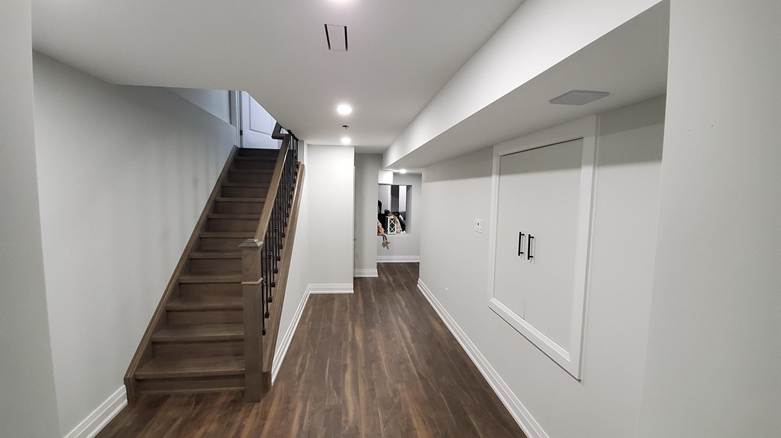
Successful remodeling requires patience alongside careful preparation. Avoiding the major traps keeps your project on target and within your financial means. You can create a wonderful space with the right approach.
Your home represents a major investment that deserves quality attention. Take your time during the planning stages to secure a great result. Your dream property sits just a few smart choices away.