



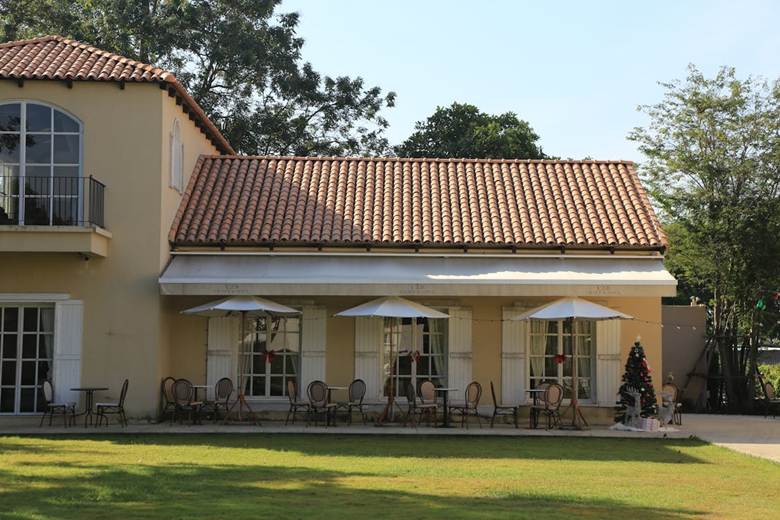
Exterior home decisions dictate how often repairs interrupt daily life and how long major components stay in place before replacement becomes necessary. Many homeowners begin thinking beyond immediate appearance and start focusing on how materials behave year after year. Durability, stability, and predictable performance often matter more than short-term convenience once long-term ownership becomes the priority.
Planning with fewer future replacements in mind means paying attention to how exterior systems work together. Roofing, siding, drainage, and structure all influence one another over time. Decisions made early can reduce repeated tear-outs, unexpected repairs, and ongoing disruption. A well-thought-out plan built around longevity helps the home age in a manageable way.
Choosing Long-Lasting Materials
Long-term exterior planning often starts with material selection. Materials designed to hold up through extended exposure reduce the need for frequent replacements. Homeowners who think this way often look at how materials perform across decades rather than focusing on initial installation alone. Longevity becomes a practical consideration tied to stability and reduced maintenance. This factor matters even more for large structures like the roof.
As durability becomes a priority, metal roofing is often considered by many homeowners, given its obvious advantages. Its lifespan and resistance to common wear patterns make it perfect when the goal is fewer replacements. It fits into broader planning focused on long-term performance rather than acting as a trend-based choice. Considering it alongside other durable materials helps homeowners think holistically about exterior longevity.
Beyond Warranties
Manufacturer warranties often influence exterior decisions, but they do not tell the full story. Warranties usually cover limited conditions and may not account for real-world exposure. Relying on warranty length alone can result in decisions that overlook how materials perform once installed and subjected to daily stress.
Looking beyond warranties allows homeowners to focus on actual performance history. Material behavior over time, installation quality, and compatibility with the home’s structure often matter more than written coverage. A long-lasting exterior depends on realistic expectations rather than paperwork alone.
Structural Support First
Structural support plays a major role in how long exterior materials last. Surface materials rely on what sits beneath them. When framing, decking, or supports are not aligned with the material choice, wear accelerates and replacements happen sooner than expected.
Strong structural preparation allows exterior materials to perform as intended. Proper support reduces movement, stress, and uneven aging. Planning with structure in mind helps exterior systems stay stable, reducing the likelihood of early failure and repeated repairs.
Expansion And Contraction
Materials expand and contract as temperatures change. How well they handle this movement influences replacement frequency. Materials that manage expansion smoothly tend to stay intact longer and maintain their connections.
Ignoring expansion behavior can lead to cracks, separation, or warping over time. Selecting materials that accommodate movement helps exterior systems stay consistent. This planning step supports fewer replacements by reducing stress caused by seasonal shifts.
Managing Water Flow
Water management directly affects how long exterior components last. Poor drainage allows moisture to collect, which accelerates wear across roofing, siding, and structural elements. Thoughtful planning considers how water moves across and away from the home.
Effective water flow reduces long-term damage. Proper slopes, channels, and drainage paths protect exterior materials from constant exposure. Early water management limits the conditions that cause faster wear and adds stress on the structure.
Material Weight Considerations
Material weight has a lasting effect on how exterior systems perform over time. Heavier materials place ongoing stress on framing, supports, and connection points. If the structure was not designed with that weight in mind, small issues can develop gradually and lead to earlier replacements than expected.
Choosing materials that align with the home’s structural capacity helps avoid long-term strain. Proper weight balance allows exterior components to sit securely without pulling or shifting. This attention to load reduces stress on the structure and helps materials stay in place longer, lowering the chance of full replacement down the line.
Planning For Repairability
Repairability plays an important role in reducing future replacements. Exterior systems that allow for targeted repairs make it easier to address small issues before they grow. Once individual sections can be fixed without disturbing the entire system, the overall lifespan improves.
Homes benefit from materials and designs that support access and replacement at a smaller scale. This approach keeps repairs manageable and limits disruption. Planning for repairability allows homeowners to extend the life of exterior systems without committing to full tear-outs.
Allowing For Home Changes
Homes evolve as needs change. Exterior planning works best when it leaves room for future updates without forcing major replacements. Additions, layout changes, or new systems can place new demands on existing materials.
Selecting adaptable exterior systems helps accommodate change. Materials that integrate well with future modifications reduce the need for removal and reinstallation. Planning with flexibility in mind supports long-term use and minimizes unnecessary replacement cycles.
Designing for Maintenance Access
Maintenance access influences how easily exterior systems can be cared for. When components are difficult to reach, routine upkeep often gets delayed. If left unattended, minor maintenance issues can eventually result in major failures that require replacement.
Designing exterior systems with access in mind supports regular inspection and upkeep. Having clear access makes it possible to catch and tackle wear early. This approach helps exterior materials last longer and reduces the likelihood of sudden replacement needs.
Finishes That Age Evenly
Finishes affect how exterior materials show wear over time. Uneven aging often leads to partial replacements that disrupt the appearance and integrity of the system. Choosing finishes that weather consistently helps maintain a uniform look.
Even aging allows materials to remain functional and visually cohesive. This reduces the need to replace sections simply because they no longer match. Thoughtful finish selection supports long-term durability and fewer replacement decisions.
Making exterior home decisions with fewer future replacements in mind requires careful planning across materials, structure, and long-term use. Focusing on durability, repairability, and adaptability helps exterior systems age steadily rather than fail suddenly. When homeowners consider weight, water management, access, and material behavior early, they reduce disruption and extend the life of their home’s exterior. Thoughtful planning creates a home that holds up reliably over time.