



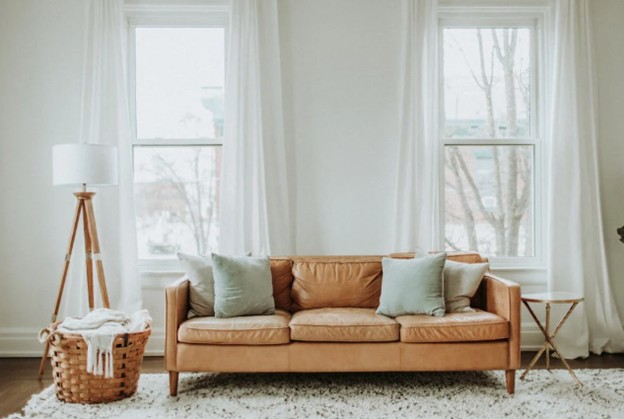
In Pittsburgh, the start of the year usually comes with a wake-up call from your house. You feel it when you step onto a cold floor in the morning, when your windows fog up, or when the heat runs nonstop but the living room still feels chilly. Winter here doesn’t play around, and older homes can struggle to keep up. The good news is you don’t need a huge renovation to make your home feel better fast. A few smart upgrades can make your space warmer, quieter, and easier to live in every day. This is also a great time to plan ahead, because small fixes now can stop bigger issues later. Let’s start with upgrades that bring real comfort right away.
Bathroom Updates That Cut Down on Cleaning
Bathrooms are small, but they can create big stress when they feel dated or hard to keep clean. Grout lines that never look fresh, stained shower walls, and worn caulk can make the whole room feel unfinished even if everything still works. A smart start-of-year upgrade is choosing bathroom materials that stay cleaner with less effort. Many homeowners now look into wall panels or smooth surfaces that wipe down fast and don’t hold grime the way tile can. Strong ventilation also matters more than people think, because trapped moisture leads to peeling paint and mildew. If your shower has constant leaks, stains, or cracks, hiring a professional who offers shower replacement in Pittsburgh can be a practical way to reset the space and avoid repeat repairs.
Kitchen Improvements Without the Full Remodel
A kitchen upgrade doesn’t have to mean weeks of mess and a huge budget. If your cabinets are sturdy but look worn, refacing can refresh the room without tearing everything out. You keep the cabinet boxes and update the doors, hardware, and finish, which often costs less and takes less time than a full replacement. Lighting also changes how the kitchen feels and functions. Under-cabinet lights make food prep easier, and a brighter ceiling fixture helps the whole space feel cleaner. If clutter drives you crazy, add pull-out shelves or drawer organizers so you can actually use deep cabinets. Even swapping an old faucet for a modern one can improve daily use. Focus on fixes that remove everyday frustration.
Upgrade Windows That Always Feel Cold
Old windows can make your home uncomfortable in ways you may not even notice at first. You might sit near one and feel a chill on your face, or see condensation on the glass during cold mornings. In some cases, the window frame may swell or stick, which makes it harder to open and lock. These are signs your windows may be past basic repairs. Newer windows can reduce drafts, cut down on outside noise, and help your rooms hold heat longer. When you shop, focus on fit and sealing, not just style. A well-installed window matters more than fancy add-ons. If replacing every window feels like too much, start with the rooms you use most and build from there.
A New Front Door Makes a Big Difference
Your front door is one of the most used parts of your home, but it often gets ignored until it becomes a problem. If you feel cold air around the edges or notice the door sticks after wet weather, you may be dealing with an old seal or a warped frame. A solid door upgrade can improve comfort, reduce noise, and make your entry feel safer. It can also stop that annoying rush of cold air every time someone walks in. Look for a door with good insulation and a tight fit, and don’t overlook the hardware. Strong locks and a proper threshold help just as much as the door itself. This upgrade feels personal because you experience it every single day.
Warm Up Cold Floors From the Basement
If your floors feel icy in winter, the basement may be part of the reason. Cold air rises through gaps and thin areas, especially in older homes with unfinished or poorly sealed basements. You may notice the first floor feels chilly even when the heating system is on. Start by checking for drafts near the basement door, around foundation edges, and where pipes or wires enter the house. Sealing those openings can make a quick difference. Insulating certain areas can also help, but moisture matters first. If you see damp spots, peeling paint, or smell mustiness, deal with that before you add insulation. A dry, sealed basement supports the rest of the house and makes every room above it easier to heat.
Protect Your Exterior Before Spring Hits
Pittsburgh’s winter weather can be rough on the outside of a home. Snow, ice, and freeze-thaw cycles can loosen siding, open small gaps, and wear down older caulk lines. If you wait until spring storms arrive, small problems can turn into water damage. A quick exterior check now can save you stress later. Walk around the home and look for cracked trim, peeling paint, or spots where siding looks warped or pulled away. Pay attention to areas around windows and doors, since those are common leak points. If you spot damage, repair it early so water can’t sneak in. Even small upgrades, like resealing exposed edges, help the exterior last longer and stay more energy efficient.
Better Ventilation for a Drier Home
Good ventilation matters more than most homeowners realize, especially during winter. Warm indoor air carries moisture, and that moisture builds up fast in bathrooms, laundry areas, and kitchens. If it has nowhere to go, it can lead to foggy windows, peeling paint, and mildew spots. A reliable bathroom fan helps remove moisture before it spreads through the home. If your fan is loud but weak, it may not move enough air. Replacing it with a properly sized model can improve comfort and cut down on odors too. It also helps to make sure the fan vents outside, not into the attic. In the kitchen, use the range hood when cooking, even for quick meals, to keep humidity and grease from settling.
The start of the year is a great time to make your home more comfortable and easier to manage. You don’t need a giant renovation plan to see real results. Small upgrades like sealing drafts, improving windows and doors, and fixing ventilation can make your home feel warmer and more stable during winter. Practical updates in kitchens and bathrooms can also improve daily routines without dragging on for months. If you’re not sure where to begin, start with the problems you notice the most, like cold rooms, moisture issues, or spaces that feel hard to keep clean. Pick one or two projects you can finish soon, then build from there. The best upgrades are the ones that make your home feel better every day, not just once in a while.