



The way a home is organized shapes how buyers and renters perceive its worth long before formal valuations enter the discussion. Clean lines, thoughtful placement, and intentional spacing help rooms feel balanced and inviting without requiring structural changes. Home decor plays a central role in this perception because it guides the eye and influences emotional responses.
When decor feels cluttered or mismatched, even well-built homes can appear cramped or neglected. Strategic organization allows architectural strengths to stand out while minimizing distractions. This approach supports both immediate visual appeal and longer viewing engagement. Sellers who understand this connection can position their properties with greater confidence.
Creating Visual Flow Through Intentional Layouts
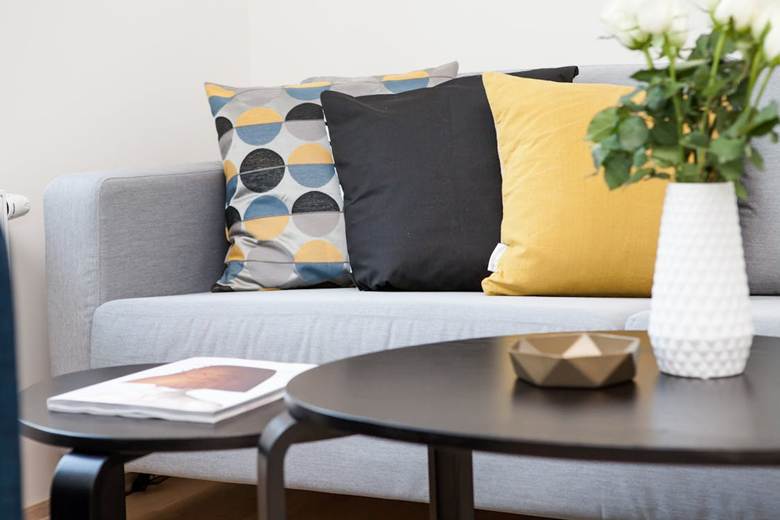
Visual flow refers to how easily the eye moves from one area to another without interruption. Furniture placement should encourage smooth transitions between spaces rather than abrupt stops or overcrowded corners.
Large pieces benefit from being anchored to walls, leaving central pathways open and clearly defined. Rugs can help frame zones while keeping proportions consistent with room size. Decorative accents should guide attention toward focal points such as windows, fireplaces, or architectural details.
Symmetry brings calm, while controlled asymmetry adds interest without chaos. Each room should communicate its purpose within seconds of entry. When layouts feel intuitive, properties appear easier to live in and better maintained.
Reducing Clutter to Emphasize Space and Proportion
Clutter hides square footage and distracts from structural advantages. Removing excess decor does not mean stripping rooms of personality, since the goal focuses on balance rather than emptiness.
Thoughtful editing allows standout pieces to breathe while secondary items step back. Storage furniture works best when it blends with existing decor rather than drawing attention to itself. Clear surfaces create visual pauses that make rooms feel larger and brighter.
Closets and cupboards deserve equal attention because buyers often inspect storage closely. Using external solutions such as self storage in Palmerston North can help homeowners temporarily relocate surplus items without permanent downsizing. This method supports a cleaner presentation while preserving personal belongings.
Highlighting Key Features With Selective Decor Choices
Every property has features worth emphasizing, whether natural light, ceiling height, or unique finishes. Decor should support these strengths rather than compete with them. Light-colored textiles can amplify brightness, while mirrors extend sightlines in tighter rooms.
Artwork placement benefits from restraint, with fewer pieces positioned at eye level to maintain coherence. Plants bring life when scaled appropriately, avoiding crowded groupings that shrink perceived space.
Materials and textures should complement flooring and wall tones for visual continuity. Accent pieces gain impact when surrounded by simplicity. Highlighting strengths through selective decor reinforces quality without overwhelming viewers.
Using Neutral Styling to Appeal to Broader Audiences
Neutral decor helps potential buyers imagine their own lives within a space. Soft palettes create calm environments that photograph well and adapt to varied tastes. Texture becomes more important when color remains understated, encouraging interest through layering rather than contrast.
Furniture with clean lines supports this goal by feeling current without trend dependence. Decorative themes should remain subtle, avoiding highly personal collections or bold statements.
Lighting plays a supporting role, with warm tones softening spaces and cooler tones clarifying work areas. Neutral styling does not erase character but allows architectural details to take center stage.
Organizing Decor to Support Functional Storytelling
Each room should tell a clear story about how it functions within the home. Decor arrangement reinforces this narrative by aligning furnishings with intended use. A reading nook benefits from focused lighting and minimal accessories, while dining areas gain clarity through centered tables and balanced settings. Consistency across rooms strengthens cohesion and reduces visual fatigue.
Storage solutions should feel intentional, supporting daily activities rather than hiding them. When decor aligns with function, spaces feel purposeful and complete. This clarity builds trust in the property’s usability. Buyers respond positively to homes that feel both attractive and practical.
A well-organized approach often includes attention to details such as:
- Coordinating cushions and throws to unify seating areas
- Limiting tabletop decor to a few proportional elements
- Aligning furniture heights to maintain balanced sightlines
- Grouping accessories by material or tone for cohesion
These choices help rooms communicate clarity and comfort without excess.
Maintaining Consistency Across the Entire Property
Consistency links individual rooms into a unified experience. Flooring transitions, color themes, and decor styles should feel connected rather than fragmented. Repeating materials or finishes subtly reinforces cohesion without appearing repetitive.
Hallways and entry points deserve decor attention since they frame first impressions. Outdoor areas benefit from the same organizational principles applied indoors, creating continuity between spaces.
Consistent styling suggests thoughtful ownership and attentive maintenance. Buyers often interpret this as a sign of care extending beyond surface presentation. A cohesive property feels intentional and valuable.
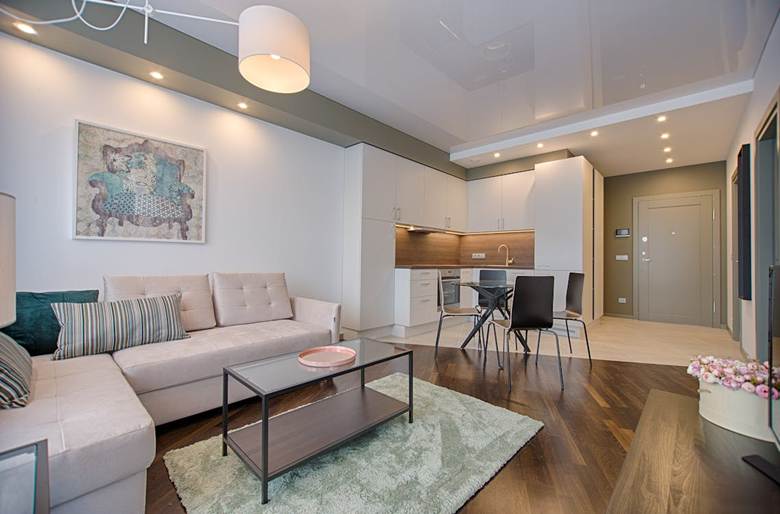
Organizing home decor with property value in mind requires more than tidying visible surfaces. Strategic placement, thoughtful editing, and consistent styling shape how spaces are perceived and remembered. Each room contributes to a larger narrative about quality, comfort, and usability. When decor supports architectural strengths and functional clarity, properties present themselves with confidence.
This approach does not rely on trends or costly upgrades, focusing instead on balance and intention. Sellers who embrace organized decor position their homes to resonate more strongly with viewers. The result is a presentation that feels inviting, credible, and worthy of attention.