



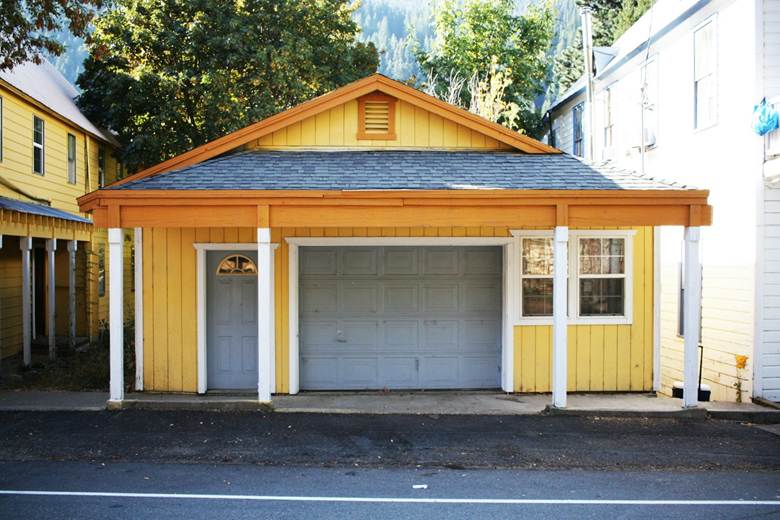
Your garage door is the largest moving object in your home. It opens and closes several times a day, often without much thought. Yet it protects vehicles and stored equipment and, in many cases, provides direct access to your living space. For property managers, it also plays a role in tenant safety and overall property value. When it works properly, it supports both security and curb appeal. When it does not, it can quickly become a liability.
In regions with freezing winters and humid summers, mechanical systems experience added stress, and garage doors experience significant seasonal wear. Metal contracts in cold weather. Components expand in heat. Over time, small performance issues can develop into serious mechanical failures. What starts as a slight delay or unusual sound can escalate into a door that will not close securely or worse, one that becomes unstable.
Strange Noises: When Everyday Sounds Become Warning Signals
Every garage door makes some noise. You may hear the hum of the motor or the steady movement of rollers along the track. Those sounds are normal. What should concern you are grinding, scraping, or sudden banging noises. These changes often signal worn rollers, loose hardware, or track misalignment.
If you hear a loud pop or sharp snap, stop using the door immediately. That sound can indicate a broken spring, which carries significant tension. Continuing to operate in that condition increases the risk of the door dropping unexpectedly and causing serious injury or property damage. If you need immediate assistance, qualified technicians can provide emergency garage door repair services to stabilize the system and prevent further damage. When sound patterns change, treat them as a mechanical warning that requires prompt attention rather than dismissing them as a minor inconvenience.
Slow Response Times: Opener and Electrical System Concerns
When you press the wall button or remote, your garage door should respond almost instantly. A noticeable delay suggests strain within the opener system. The issue may stem from a failing motor, an aging logic board, or electrical interference affecting the signal.
A slow response can also indicate that mechanical components are forcing the opener to work harder than it was designed to. Over time, that added strain shortens the motor's lifespan and increases the likelihood of a sudden breakdown. Addressing delayed operation early helps maintain reliable performance and prevents larger system failures.
Visible Sagging, Crooked Panels, or Track Misalignment
Stand inside your garage and look at the door while it is closed. The panels should sit evenly, and the tracks should align cleanly along both sides. If you notice gaps, bent rails, or one side sitting lower than the other, the system is likely out of balance.
You can perform a simple balance check by disconnecting the opener and lifting the door halfway. If it does not stay in place, the springs may be worn. A sagging or misaligned door can eventually jump the track. When that happens, repairs become more complex and more expensive.
Intermittent Operation or Partial Opening
A garage door that stops halfway or reverses unexpectedly is not just frustrating; it's dangerous. It signals a system that cannot complete its cycle safely. The issue may involve misaligned safety sensors, limit switch settings, or motor strain. Whatever the cause, inconsistent movement should never be ignored.
For property managers, this problem also creates security concerns. A door that will not close fully leaves tools, vehicles, and even interior access points exposed. For homeowners, it disrupts daily routines and increases wear on the opener. Consistent, smooth operation is the standard. Anything less deserves inspection.
Fraying Cables and Worn or Broken Springs
Cables and springs carry the real workload in a garage door system. Springs counterbalance the weight, while cables guide controlled lifting and lowering. Over time, you may notice rust, stretched coils, or visible fraying along the cables. These are not cosmetic issues. They signal weakening structural components.
Attempting to adjust or replace these parts without training is risky. Springs operate under high tension and can cause serious injury if handled incorrectly. When you see gaps in a torsion spring or loose cables near the drum, stop using the door and contact a qualified technician immediately.
Safety Sensor Failures and Auto-Reverse Malfunctions
Modern garage doors include auto-reverse systems designed to prevent the door from closing on people, pets, or objects. The safety sensors near the floor must be properly aligned and free of debris. If the door closes without reversing when something blocks the beam, the system is not functioning as intended.
Test the sensors periodically by placing an object in the door's path. If it fails to reverse, address the issue promptly. For rental properties, malfunctioning sensors can create liability concerns. For families, they pose a direct safety risk. Reliable safety features are not optional. They are essential.