



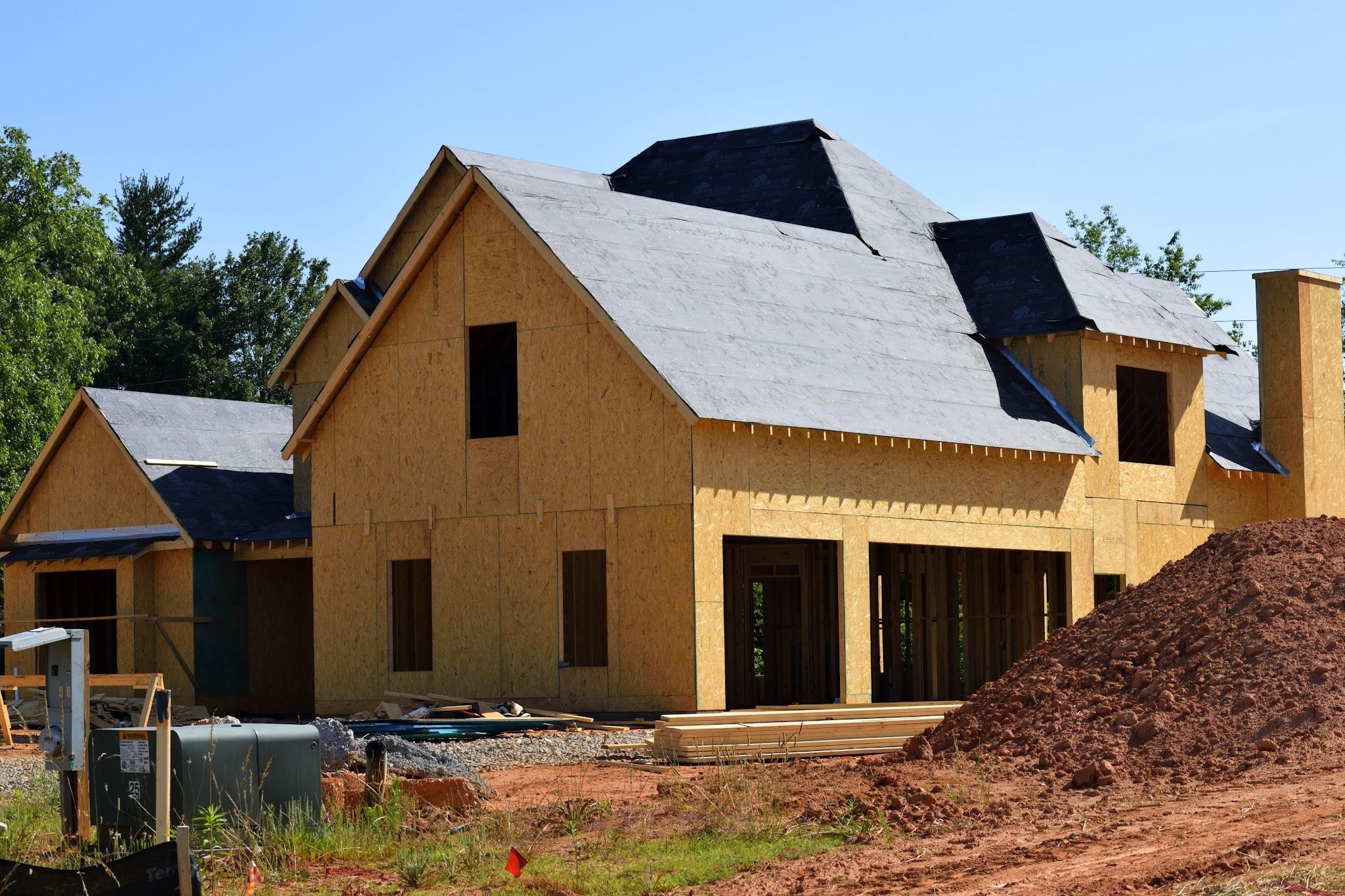
Property development can be an exiting ans potentially rewarding venture, but success is one of those things that you really have to work hard at and not just something that falls into your lap, which is what a lot of people starting out seem to think. So, whether you're planning a residential project, a commercial development, or a small investment property, you are going to want to make sure that you get the earliest stages right so that the final outcome is a good one with that. Careful planning is the order of the day, and below you will find a few things to help you with that.
Start with a clear vision
Every successful property development project begins with a clear objective. Are you building homes for resale, creating rental properties, developing commercial space, or improving land for future investment?
Defining your goals early helps guide every decision that follows. It also allows you to evaluate whether a potential property aligns with your long-term plans and financial expectations.
Having a clear vision makes it easier to prioritize resources and avoid unnecessary expenses throughout the development process.
Research the local market
Understanding the local property market is so important before you even think about investing a significant amount of your money in a property. Market research may be time-consuming, but it will help you to identify demand, pricing trends, how much competition there is, and any opportunities there may be for growth, so it can help you to void awaiting penny on poor prospects, and maximize your investment potential.
A development that succeeds in one area might struggle in another because of different population levels of more competition in the rental market, for example, and you need ot know about that before, not after, you invest.
Evaluate the property carefully
Not all land offers the same development potential. Before moving forward, developers should thoroughly assess the property's characteristics, including topography, access, utilities, drainage, environmental concerns, and zoning regulations.
Professional surveys and site evaluations can uncover issues that may affect costs or limit development options. Identifying these factors early allows developers to make informed decisions and avoid unexpected challenges later in the project.
Understand permits and regulations
Every development project needs to comply with local regulations, from zoning laws and building codes to environmental requirements and work permits, and all of these things can influence how much a project costs and what the timeline for it looks like, so you are going to want to work with experienced professionals to ensure that you comply with everything you need to and understand what you are getting yourself into. A failure to do so could cause significant setbacks or cost you a lot of money.
Prepare the site properly
Once planning and approvals are in place, site preparation becomes a critical next step. Depending on the condition of the property, this may involve grading, utility installation, drainage improvements, and lot clearing.
Proper site preparation creates a safer and more efficient environment for construction while helping to prevent problems later in the build process. Investing in quality preparation work often saves time and money throughout the remainder of the project.
Now, you should be ready to take those first important steps into the world of real estate development. Good luck!