



Renting a property often means managing tight square footage without making permanent building changes. Finding extra space without risking a rental bond takes smart planning.
Smart organizational tricks help tenants maximize every square meter on a modest budget. Simple layout shifts keep a home tidy, functional, and stress-free.
Rent Under-Bed Storage Containers
Bedrooms contain valuable unused space beneath the bed frame. Low-profile rolling bins fit beneath furniture without damaging hardwood or carpet.
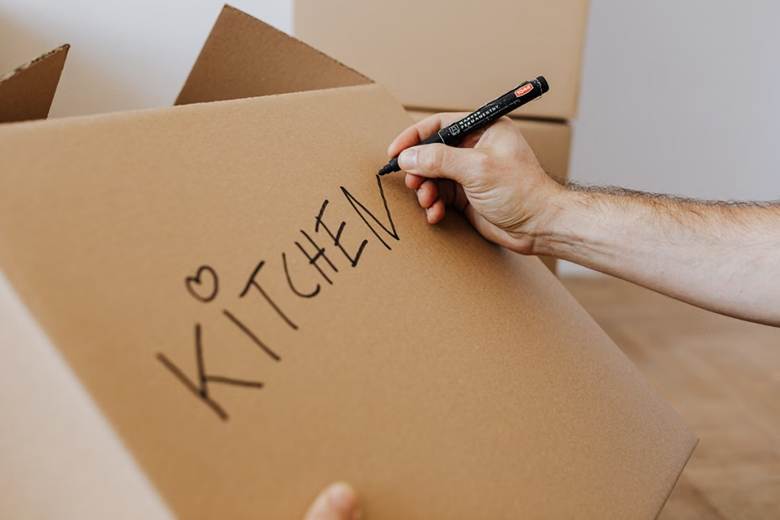
Clear plastic containers with lids protect linens and shoes from dust. Buying budget bins at local department stores keeps expenses low. Marking each container with labels makes finding items effortless.
Vacuum seal bags compress thick blankets and winter coats. Storing off-season wardrobe pieces under the bed opens up valuable closet space. Daily clothing remains neat and accessible every morning.
Use an Off-Site Space for Extra Belongings
Extra furniture and seasonal gear quickly crowd smaller rental apartments. Renting affordable options like self storage in NSW gives tenants a convenient place to keep excess belongings safe. Off-site spaces keep living areas clear while maintaining total access to personal items.
Securing a flexible monthly contract prevents paying for unused square footage. Selecting a unit near your neighborhood simplifies drop-offs and pick-ups. Keeping larger boxes off-site protects apartment walls from accidental scuffs.
Small units easily fit excess sporting gear, bulky suitcases, or holiday decorations. Freeing up home space improves daily room flow. Clean room layouts create a far more comfortable living environment.
Utilize Free-Standing Shelving Units
Bare wall space remains an underused resource in many rental homes. Tall bookracks supply sturdy storage without needing permanent wall fasteners. A home design report noted that making use of wall space keeps floor areas clear to generate an open feel.
Modular wire racks suit kitchen pantries and narrow laundry rooms. Adjusting shelf heights helps fit oversized appliances or plastic bins. Lightweight metal units disassemble quickly when moving day arrives.
Wooden leaning ladders hold extra towels in compact bathrooms. These frames lean against walls securely without needing screws. Tenants gain vertical storage space without risking lease deposits.
Select Dual-Purpose Furniture Pieces
Multi-functional items deliver double the storage capacity without taking extra floor area. Storage ottomans provide comfortable seating while hiding extra blankets inside. Coffee tables with built-in drawers store books, remotes, and board games out of sight.
Consider these practical furniture choices for tight living rooms:
- Storage benches for shoes in entryways
- Nesting side tables that tuck away easily
- Foldable dining tables with built-in shelves
Convertible sofa beds help host guests without requiring a dedicated spare room. Browsing second-hand marketplaces reveals sturdy wooden furniture at low prices. Refreshing pre-loved tables with paint gives a rental home a customized feel.
Divide Storage Units into Dedicated Zones
Organizing an off-site unit properly saves hours of sorting later on. A storage guide mentioned that industry organizers recommend viewing a storage unit as multiple smaller rooms rather than a single open space. Creating central walkways permits quick access to boxes stored in the back.
Group similar items in designated zones for kitchenware, tools, and seasonal items. Sorting household items saves time when searching for specific items. Clearly labeling every side of a box prevents opening multiple totes.
Keep a main inventory list posted near the front door of the unit. Numbering each box makes locating specific items fast. Systematic packing protects belongings from damage and disorganization.
Pack and Stack Items Strategically
Stacking boxes properly prevents crushed items and maximizes ceiling height. Storage experts advise standing mattresses upright, nesting chairs seat-to-seat, and keeping long objects vertical. Heavy wooden crates form a strong foundation for lighter cardboard boxes.
Matching box sizes stack higher without leaning or tipping over. Filling empty gaps inside suitcases or wardrobes with soft linens maximizes space. Compact packing reduces required unit dimensions, lowering monthly costs.
Wrapping fragile items in bath towels or sweaters saves money on bubble wrap. Storing heavy books in small boxes keeps loads manageable to carry. Smart arrangement safeguards delicate possessions during every move.
Declutter Regularly to Save Money
Holding onto unused items wastes space and increases packing expenses. Sorting belongings before a move cuts down on necessary storage sizes. Selling unwanted furniture online generates quick cash for moving supplies.
Donating gently used clothing to local charities benefits the community. Clearing out items twice a year keeps small rental apartments feeling open. Fewer items mean faster packing days and reduced moving fees.
Adopting a strict one-in, one-out policy stops clutter from accumulating. Reviewing personal items every 6 months maintains organized living quarters. Living light saves money and energy in any rental property.
Creating an organized rental property does not require massive spending or structural renovations. Smart options like vertical shelves, dual-purpose furniture, and external storage keep living spaces neat.
Small changes to a home layout offer long-term efficiency and comfort. Taking practical steps today builds a functional, stress-free living space.