



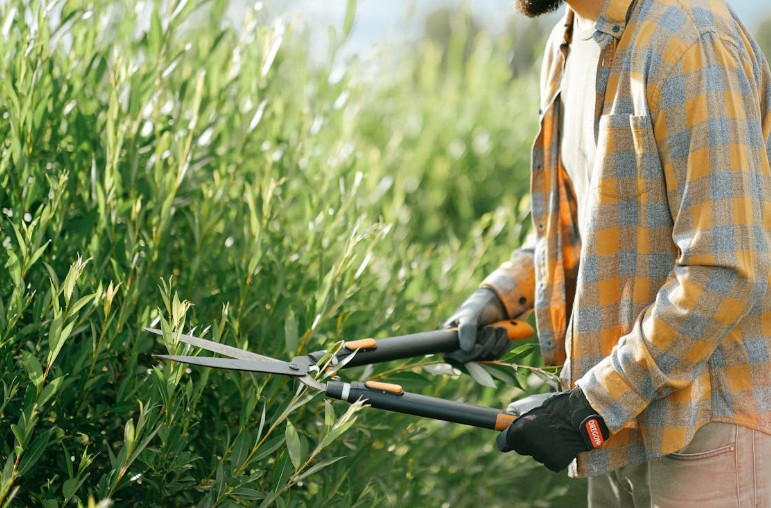
After a hard rain, thin grass shows near downspouts, and weeds fill driveway edges fast. Soil can wash onto sidewalks, then dry into streaks that tenants track inside all week. These early signs often show in inspection photos during drive by checks, before owners react.
Property managers treat lawns as routine upkeep, alongside filters, gutters, and smoke alarms for safety. If you want affordable lawn care that focuses on turf health, timing matters more than quick fixes. A simple plan can reduce calls tied to mud, puddles, and patchy turf during turnover.
Lawn Health as a Practical Part of Property Care
A consistent lawn line helps listings look steady across seasons and supports clearer exterior walk through reports. Tenants also judge the curb during move in, then assume similar care inside the home. That perception can shape how quickly they report problems and how well they follow rules.
Thin turf increases runoff that stains concrete, fills beds with silt, and clogs drain paths. Exposed soil encourages weeds, and bare spots expand after every storm or heavy foot traffic. In rentals, this work often lands during tight lease turn weeks, when crews are stretched.
Treat the lawn like a system with checks, notes, and predictable service intervals across the growing season. This supports budgeting, because you can schedule visits instead of paying for rushed repair work. It also creates a clear record when tenants claim damage existed before move in dates.
Drainage issues show first where water exits the roof, crosses compacted soil, or collects near hard surfaces. Watch for channels, standing water, and grass that stays yellow after areas recover each week. These cues point to compaction, watering coverage, and weed pressure together on the same spots.
Weed Control and Fertilization with Better Timing
Weed control works best before weeds set seed, because one plant can spread across open soil fast. Pre-emergentt treatments need the right window, which depends on soil warmth and recent rainfall. Missing that window often means more spot work, extra product, and follow up visits later.
Fertilization needs the right window, because grass should be actively growing when nutrients are applied. Feeding too early can push weak growth, then invite weeds during wet spells for months. Feeding too late can waste product and raise runoff risk after storms and heavy watering.
A start is learning what the fertilizer label means and what turf nutrients matter most. The University of Kentucky explains lawn fertilization basics in a plain guide with clear examples.
If you manage homes, keep one record format for each address and stick with it. Use a short checklist that fits on one page and supports clear decisions during seasons. This keeps service visits consistent during turnover, even when staff changes or tenants move out.
Record turf type, sun exposure, and thin zones that repeat each year across warmer months.
Note treatment dates, weather conditions, and rainfall totals during the week after each application cycle.
Take two photos from the same angles, then name files with the address and date.
Aeration and Compaction Signs That Show in Plain View
Clay soil packs down from foot traffic, visits, and repeated rain on the same routes. Compaction blocks water movement and limits root depth, which makes summer stress worse over time. You often see thinning near gates, mailboxes, and the path from driveway to door often.
A quick test is to push a screwdriver into moist soil in several spots after a rain. If it stops early in many places, compaction is likely holding back turf growth in those areas. Standing water after light rain is a warning sign that the soil is not draining well.
Core aeration relieves compaction by removing small plugs from the soil across the turf area. The holes let air, water, and nutrients move deeper, which supports stronger root growth for turf. This can reduce puddling that attracts insects and weakens turf during hot weeks in summer.
Timing matters, because aeration should align with growth for the grass type on the property. Warm season grasses often respond best after spring green up, when growth is strong and steady. Cool season grasses often do better in fall, when mild temperatures support recovery and new roots.
Irrigation Checks and Surface Pest Pressure
Many lawns fail from uneven watering, not from a lack of total water during the week. One tilted head can drench a corner while leaving a curb strip dry and weak. Weeds exploit these gaps, because stressed grass loses density and opens space for seeds quickly.
A catch cup test can reveal coverage problems in one cycle, and it takes time. Place identical cups across a zone, run irrigation for a set time, then compare amounts. Adjust heads, clear nozzles, and repair leaks before you increase any run time at all.
Overwatering can cause shallow roots, disease risk, and softer turf that tears under foot traffic. It can also send water onto siding and walks, leaving mineral marks and slick film near entrances. Good coverage with correct timing is safer for turf, concrete, and exterior finishes near entries.
Surface feeding insects can mimic drought stress, especially during hot weeks when lawns already struggle. Chinch bugs, sod webworms, and grubs can thin turf in patches that spread outward over days. Early checks help you treat the cause first, rather than adding more water and stress.
If you want guidance that links turf care to runoff control, NC State Extension offers a clear home lawn resource. Review Water Quality and Home Lawn Care for runoff steps that protect streams and storm drains near entries and walks. The guidance also helps you spot runoff risk during walk through checks after storms and heavy watering.
A Maintenance Log That Owners Can Reuse Year After Year
A dependable log keeps decisions based on dates and observations, not memory or last minute guesses. That helps owners, managers, and tenants stay aligned on what was done and when each season. It supports clearer vendor scopes and steadier annual budgeting for every address involved each year.
Schedule short walk through checks after storms, heat waves, and the week after treatments for better comparison. Record weeds, standing water, insect signs, and any irrigation issues you notice during checks each time. Add a photo set each month so changes are easy to confirm later on site.
Store notes, invoices, and photos in one folder per property, with the address and season in each file name. This prevents duplicate applications and helps you spot repeat trouble zones across years for planning. It shortens handoffs if management changes or staff turnover happens midyear during lease renewals too.
A Simple Next Step for Better Turf Results
Start by picking three check points you can repeat each month, a curb strip, a downspout zone, and a main traffic path. Log weeds, thin turf, irrigation coverage, and any puddling after rain, then compare photos from the same angles. Match weed control, fertilization, and aeration timing to what you see, not to a fixed date on a calendar. With a steady record, owners and managers can budget with fewer surprises and keep lawns healthier through each lease cycle.