



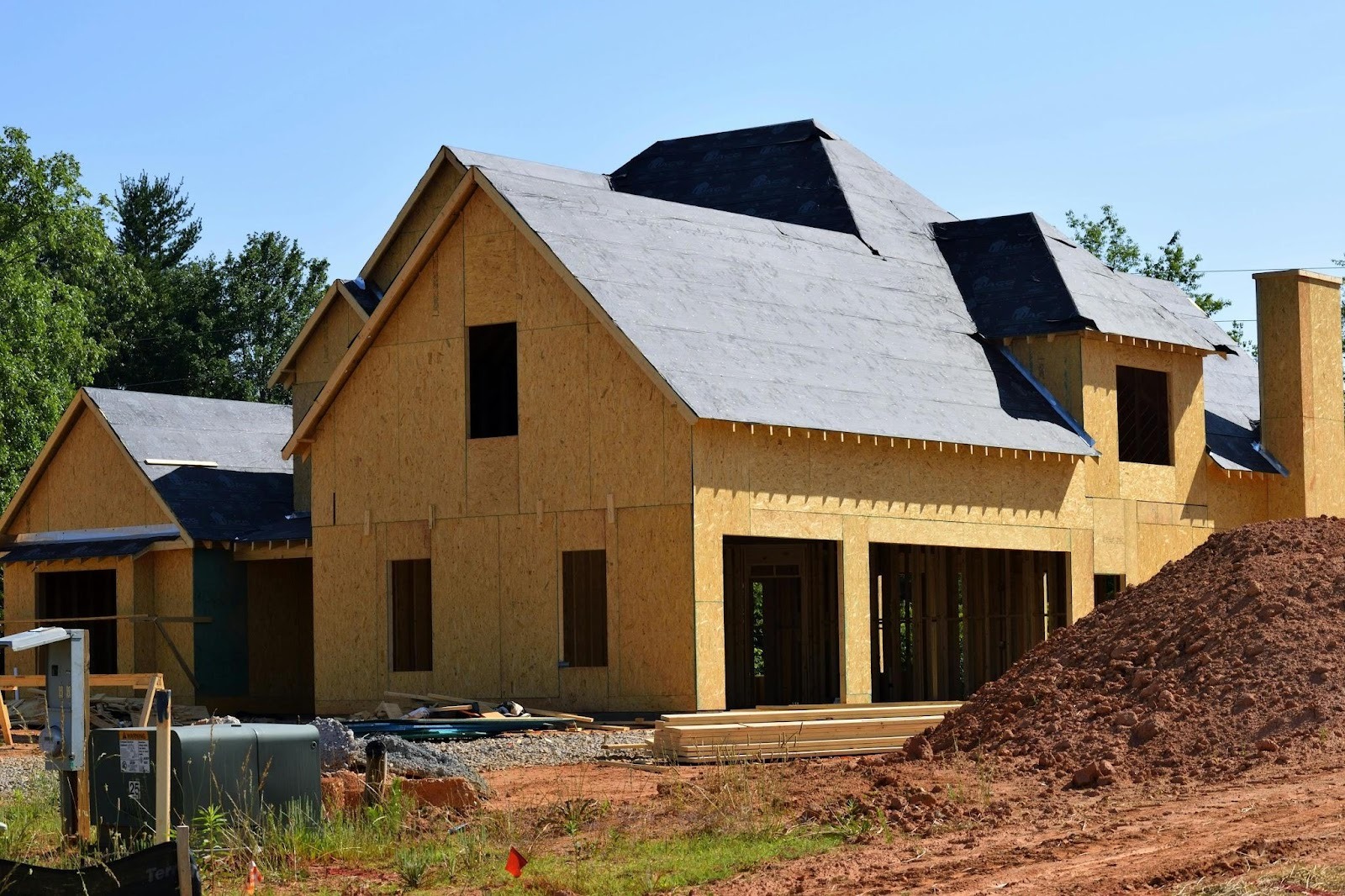
When it comes to building your own home, there are a lot of stages that you will want to be aware of, and which are likely to prove particularly important. These are useful to know about, and you should find that this is going to be the kind of knowledge that really assists you well. In this post, we’ll take you through some of the most important stages in home construction that you will want to be aware of. All of these are worth thinking about and making sure you have a handle on.
Planning And Design
Every successful home begins with a well-defined plan. This initial stage sets the foundation for the entire project, determining both its practicality and aesthetic appeal. During this phase, homeowners collaborate with architects, designers, and planners to establish their needs, preferences, and budget. Design considerations include the number of rooms, layout, energy efficiency, and future adaptability. Factors such as natural light, storage space, and the orientation of the building on the land are also addressed. At the same time, feasibility studies assess zoning regulations, environmental considerations, and structural requirements. A thoughtful and detailed design not only ensures comfort but also prevents costly revisions later in the construction process.
Securing Permits And Approvals
Before construction can begin, the necessary permissions must be obtained from local authorities. This stage involves submitting plans for approval, ensuring compliance with building regulations, and adhering to safety and environmental standards. Permits cover structural integrity, electrical systems, plumbing, and environmental impact. Though sometimes time-consuming, this process is essential for ensuring the legality and safety of the project. Skipping or rushing through approvals can lead to delays, fines, or even the need for costly alterations down the line.
Land Clearing And Site Preparation
One of the most critical early stages in home construction is land clearing. Before any building work can commence, the site must be prepared to create a stable and suitable foundation. This involves removing trees, vegetation, rocks, and debris that may interfere with construction, and using forestry mulching to create protective mulch. Land clearing ensures that the ground is level and free from obstacles while also allowing surveyors and contractors to accurately mark boundaries and building positions. In some cases, it includes grading the land to improve drainage and prevent future flooding. Proper site preparation reduces structural risks and safeguards the longevity of the home.
Laying The Foundation
Once the site is prepared, the foundation is constructed. This stage forms the literal and structural base of the home, ensuring stability and durability. The type of foundation - such as slab, crawl space, or basement - depends on soil conditions, climate, and design preferences. Concrete is typically poured into excavated trenches reinforced with steel to provide strength and resilience. Precision is essential, as any flaw at this stage can compromise the entire structure. Proper curing and waterproofing further protect the foundation from moisture and shifting soil, ensuring long-term structural integrity.