



Maintaining a residential house requires steady attention throughout the changing seasons of the year. Homeowners face many severe weather challenges that damage structural parts if neglected for too long. Keeping up with small maintenance tasks protects your biggest financial investment from serious structural damage.
Regular upkeep stops minor exterior wear from turning into expensive structural repairs later on. Simple routines help protect outer surfaces from harsh sun rays and heavy winter rain. A small amount of consistent effort keeps everything looking great and functioning perfectly.

Inspect Your Roof Regularly
Home protection starts at the very top of your residential house structure. Hiring an expert team like True Blue Roofing helps identify leaks early before major issues spread across your ceiling boards. Small issues often become massive problems if left alone for many months.
Strong winds can lift heavy shingles and leave the underlayment exposed to winter storms. Walk around your yard to check for loose pieces after big storms hit your neighborhood. Replacing 1 or 2 missing shingles saves over $1,000 in structural repairs.
Look closely at the metal flashing around chimneys and roof vents for tiny gaps. Cracks in old sealants let water seep right into your attic space during severe storms. Fixing the areas early keeps the interior dry and safe from rot.
Clean Your Gutters Out
Clogged gutters cause water to overflow and damage your exterior siding panels on the walls. Leaves and small twigs pile up quickly during the autumn season each year. The extra weight pulls metal brackets away from the main roofline of the house.
Clearing debris requires proper safety steps to avoid dangerous ladder falls. Homeowners should gather simple tools before climbing up to start the work on the gutters:
- Sturdy extendable aluminum ladder.
- Heavy-duty work gloves.
- Small plastic scoop tool.
- Strong buckets for waste.
Flushing the downspouts with a garden hose verifies that water flows away cleanly from the home. If water pools near the basement, foundation walls can crack after a few seasons. Directing the runoff 5 feet away protects concrete surfaces from severe damage.
Maintain Siding Integrity
Siding serves as the main shield against extreme weather conditions, which is a protective barrier throughout the entire year. Dirt and mold can build up on panels during damp winter months. Scrubbing the surface preserves the outer material and keeps it looking bright.
Look for cracks in vinyl siding or soft spots in wood panels around the house. Small holes allow insects to enter and create nests inside your walls. Fixing minor damage prevents large sections from rotting away completely after heavy rain.
Vinyl panels can expand and contract when temperatures shift between the seasons. Make sure the panels remain loose enough to move slightly without buckling. A simple check prevents warping during hot summer days when the sun shines brightest.
Check Exterior Wall Openings
Every opening in an exterior wall presents a potential path for water entry into the house. Windows and doors need tight seals to keep moisture outside where it belongs. Checking perimeters every spring prevents hidden wood rot from developing undetected.
Creating new openings can lead to unexpected structural problems for homeowners. A regional property manual advises against putting cooling units through solid walls. Making a hole through the outer surface causes severe damage by letting moisture enter the framing.
Apply fresh exterior caulk around existing window frames to seal tiny gaps completely. Old caulk peels away after years of sun exposure and needs regular replacement. The quick fix keeps drafts and rain out of your main living spaces.
Take Care of Garden Beds
Plants growing too close to your home can trap moisture against the outer walls. Trimming bushes back keeps branches from scratching your paint or outer siding. Leaving a clear path allows air to circulate and dry the surfaces quickly.
Timing your yard cleanups correctly can help protect local wildlife in your garden. An environmental extension report suggests waiting until May to clear garden debris containing hollow stems. The delay allows overwintering small carpenter bees to emerge safely and build new spring nests.
Keep mulch a few inches below the siding line to deter pests from entering the structure. Piling wood chips against the house creates a bridge for hungry insects. Proper spacing keeps the lower foundation dry and clear of unwanted guests.
Keep Maintenance Tools Ready
Caring for your home requires using various tools throughout the different seasons of the year. Lawnmowers, ladders, and pressure washers must remain in good working order. Keeping items clean and ready makes home improvement tasks much easier for everyone.
Proper tool care protects you from dangerous accidents during weekend home projects. A technical safety guide notes that properly maintained equipment increases user safety. Working with serviced tools reduces risks and prevents unexpected breakdowns during big maintenance tasks.
Store your equipment in a dry shed or garage to prevent rust formation on metals. Sharp blades and sturdy ladders make exterior maintenance much faster to complete. Spending time on tool care saves hard-earned money on buying expensive replacements later.

Wash Siding and Windows
Annual washing removes harmful layers of dust, pollen, and bird droppings from surfaces. A clean home exterior prevents dark stains from settling permanently into the painted surfaces. Clean windows allow more natural light to fill your indoor living spaces daily.
Use a mild detergent mixed with clean water for the best cleaning results on siding. Avoid blasting water at high pressure directly under horizontal siding seams. Gentle scrubbing with a soft brush protects delicate outer surfaces from cracking or breaking.
Wash your windows on a cloudy day to prevent quick water drying on the glass. Sunlight dries the soapy solution too fast and leaves ugly streaks behind on the glass. Clear window glass gives your home a bright and well-maintained appearance.
Inspect the Foundation Base
The foundation supports the weight of your entire house structure safely for decades. Small cracks can form as the ground shifts throughout the passing years. Monitoring physical changes helps you spot serious issues before they worsen too much later.
Check the soil level around the concrete base of your home regularly. Slope the dirt away from the walls so rainwater drains outward into the yard area. Soil that slopes toward the house causes water to collect next to the concrete walls.
Seal small concrete cracks with waterproof epoxy to keep moisture out of basements. Large gaps require an inspection from a structural professional to check building stability. Catching foundation movement early preserves the financial value of your property for decades.
Look for Paint Peeling
Chipping paint exposes raw wood to heavy rain and intense summer sunlight every year. Exposed wood rots quickly when unprotected by a solid outer coating of fresh paint. Scraping away loose flakes prepares the wooden surface for a new coat.
Painting involves several key steps to achieve a smooth finish on wood surfaces. Gather needed supplies before starting your next exterior painting project:
- Sturdy scraping tools.
- Medium grit sandpaper.
- High-quality exterior primer.
- Outdoor acrylic paint.
Apply a coat of primer before brushing on the final color choice for your walls. Primer helps the paint stick to the raw wood and lasts much longer. The extra layer provides excellent protection against moisture penetration and future paint peeling.
Clear Property Drainage Paths
Heavy rain can create large pools of water in your front yard during storms. Standing water near walkways damages concrete and destroys your grass within days. Creating clear pathways allows water to travel safely toward storm drains without flooding your lawn.
French drains and bioswales help manage heavy runoff on sloped residential properties easily. Check drainage systems for gravel blockages or thick leaf buildup each month. Keeping paths clear prevents water from backing up into your lower basement area.
Check your driveway grates to make sure leaves do not block the openings completely. Clear grates allow water to escape quickly during sudden summer downpours. Proper drainage keeps your driveways safe and dry for vehicles and pedestrians alike.
Check Your Deck Attachments
Decks provide a great space for outdoor relaxation and family gatherings during the summer months. Wooden boards need regular inspection to prevent trips and loose steps. Checking the ledger board where the deck connects to the house is absolutely crucial.
Look under the deck to examine the metal joist hangers closely every year. Tighten any loose bolts and replace rusted nails right away for safety. Solid connections prevent structural failure when multiple people stand on the wooden platform together.
Apply a water-resistant sealant to the exterior wood every 2 years without fail. Sealant stops water from soaking into the planks and causing boards to warp. Proper sealing protects the wood from splitting under hot summer sun rays.
Trim Tree Branches Away
Large trees add shade and beauty to your outdoor residential property every single year. Heavy branches hanging over your roof present a major safety hazard. Strong winds can snap limbs and cause severe roof damage during big storms.
Keep branches at least 3 feet away from your roofline completely to protect shingles. The distance prevents squirrels and raccoons from jumping onto your shingles. It stops leaves from dropping directly into your open gutter channels.
Hire a professional arborist to remove large dead branches safely from tall trees. Regular trimming keeps trees healthy and reduces the risk of falling limbs during storms. Protecting your perimeter keeps your house looking clean and neat, always.
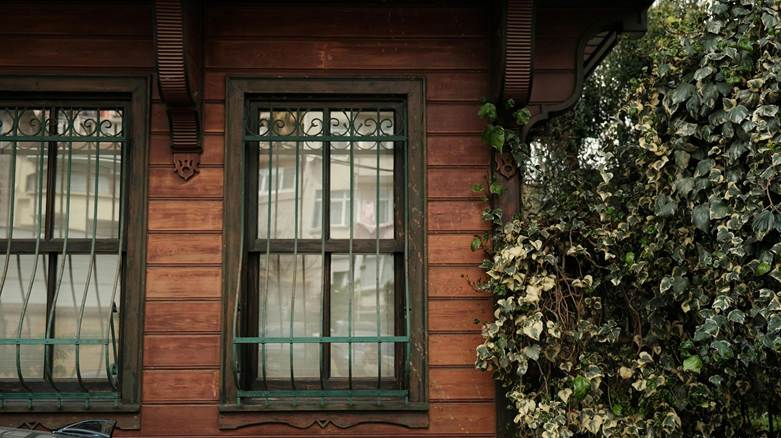
Caring for your home's exterior takes consistent effort but brings great rewards after many years. Routine checks keep materials strong and looking beautiful for a long lifespan. Small actions today prevent major structural headaches down the road for homeowners.
Protecting your investment gives you peace of mind throughout every passing season. A well-maintained exterior stays resilient against harsh weather elements each year. Your continuous dedication keeps your property safe, functional, and highly valuable for the future.