



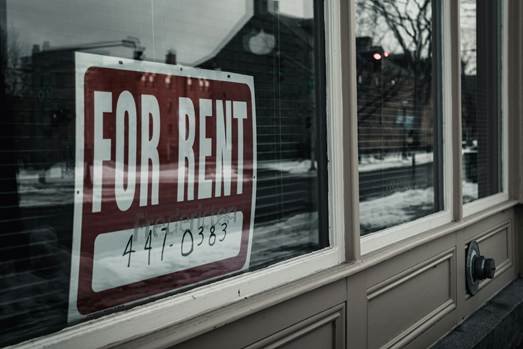
 Photo by Aaron Sousa on Unsplash
Most landlords worry about problem tenants, missed rent payments, and expensive repairs. However, there’s another issue getting more attention lately: what happens to a rental property after one tenant leaves and before the next one moves in. That short vacancy period may only last a few days or weeks, but it often creates the biggest security risk for the property.
An occupied home has activity: Lights get turned on, cars come and go, packages are collected, and neighbors notice movement. Once a property becomes empty, all of that disappears, and criminals notice it faster than many landlords think. For property owners, especially those managing multiple homes, the turnover period has become a time that requires extra planning, better security habits, and faster action.
Vacant Rental Homes Attract Attention
Empty properties are easy targets for burglars, vandals, and trespassers. In some cases, squatters can even move into a vacant home and create legal headaches that take months to resolve.
A vacant property also gives criminals more time. There’s less chance of being interrupted. So, they may steal appliances, tools, copper wiring, air conditioning units, or construction materials during renovations.
Even small acts of vandalism can quickly turn expensive. A broken window or kicked-in door doesn’t just cost money to fix, it also leaves the property exposed to weather damage, pests, and more break-in attempts.
Many landlords have learned this the hard way. One break-in often leads to another because criminals know the property is sitting empty. That’s one reason owners are investing more in lighting, cameras, and professional alarm monitoring services during tenant transitions instead of waiting until a new renter moves in.
The Risks Increase During Renovations and Move-Outs
Turnover periods are busy. Contractors may enter and leave throughout the day, while maintenance teams may be replacing flooring, repainting walls, or repairing plumbing. That activity creates confusion around access control:
- Who still has keys?
- Which contractor entered the property last?
- Was the garage locked afterward?
These are common problems during move-outs, especially when landlords are trying to prepare the property quickly for the next tenant. Some owners still use the same locks for years without changing them between tenants, and that can create a serious security issue. Previous tenants, contractors, cleaning crews, or even real estate agents may still have copies of old keys.
While many states do not legally require landlords to change locks between tenants, failing to do so can expose owners to liability if an unauthorized person later enters the property. For that reason, many property managers now treat re-keying as a standard part of turnover preparation instead of an optional upgrade. Smart locks have also become more common because they allow temporary codes for vendors and maintenance workers without handing out physical keys.
Security Problems Don’t Stop at the Front Door
A lot of rental security discussions focus on doors and locks, but experienced landlords know criminals often look elsewhere first. Garages, sheds, and storage rooms can become easy entry points if they’re ignored during vacancies.
These areas often contain expensive tools, lawn equipment, bikes, or maintenance supplies. An unsecured shed may also give intruders access to tools they can use to break into the main home.
Window locks, broken gates, damaged fencing, and poor exterior lighting are other issues landlords sometimes overlook during fast turnovers. The trouble is that criminals tend to notice weak spots quickly.
Motion-sensor lighting has become one of the simplest upgrades many landlords now use during vacancy periods. A dark property signals emptiness, but lighting changes that impression immediately. Video doorbells and outdoor cameras also help owners monitor activity remotely without driving to the property every day.
Insurance Concerns are Changing Landlord Behavior
 Photo by Tierra Mallorca on Unsplash
Insurance has become another major reason landlords are taking vacancy security more seriously. Many landlord insurance policies contain vacancy clauses. If a property remains empty beyond a certain number of days, coverage may be reduced or restricted.
Some owners do not realize this until they file a claim. For example, if a vacant property suffers water damage, vandalism, or theft after sitting empty longer than the policy allows, insurance coverage may become more complicated. That’s a major financial risk, especially for landlords handling several properties at once.
Insurance companies also expect owners to take reasonable steps to secure their homes. Broken locks, damaged windows, or neglected maintenance could create disputes after an incident.
Even beyond insurance claims, landlords still have legal responsibilities while a property sits empty. If someone enters the property and gets injured because of unsafe conditions, the owner could still face liability issues. That’s why many property managers now schedule regular inspections during vacancies instead of leaving homes unchecked for weeks.
“Safe Neighborhoods” Are Not Immune
One mistake some landlords make is assuming security only matters in high-crime areas. In reality, vacant homes can attract problems almost anywhere. A quiet suburban neighborhood may actually make an empty property stand out more. If every house on the street has daily activity except one, it becomes obvious that nobody is home.
Criminals often look for easy opportunities, not just rough neighborhoods. Package theft, trespassing, illegal dumping, and break-ins happen in many communities that residents consider safe.
That’s why more landlords are shifting from reactive thinking to preventive thinking. Instead of waiting for an incident to happen, they’re putting systems in place before a property becomes vacant.
Small Security Habits Can Prevent Bigger Problems
Most landlords do not need military-grade systems or expensive upgrades to improve turnover security. In many cases, basic habits make the biggest difference:
- Re-key locks between tenants
- Inspect windows and doors immediately after move-out
- Test exterior lighting
- Remove signs of vacancy quickly
- Schedule regular property checks
- Use cameras or remote monitoring tools
- Secure garages, sheds, and side gates
- Repair damage without delay
Endnote
For rental property owners, the period between tenants has become one of the most important times to focus on security. Vacancies create opportunities for theft, vandalism, unauthorized access, and insurance complications. Even short gaps between tenants can expose landlords to expensive problems if properties are left unsecured.
That’s why more owners are tightening turnover procedures, upgrading locks, improving lighting, and using modern monitoring tools to keep an eye on empty homes. In today’s rental market, security is no longer something landlords only think about after a break-in happens. Instead, it’s becoming part of routine property management from the moment one tenant leaves until the next one walks through the door.