



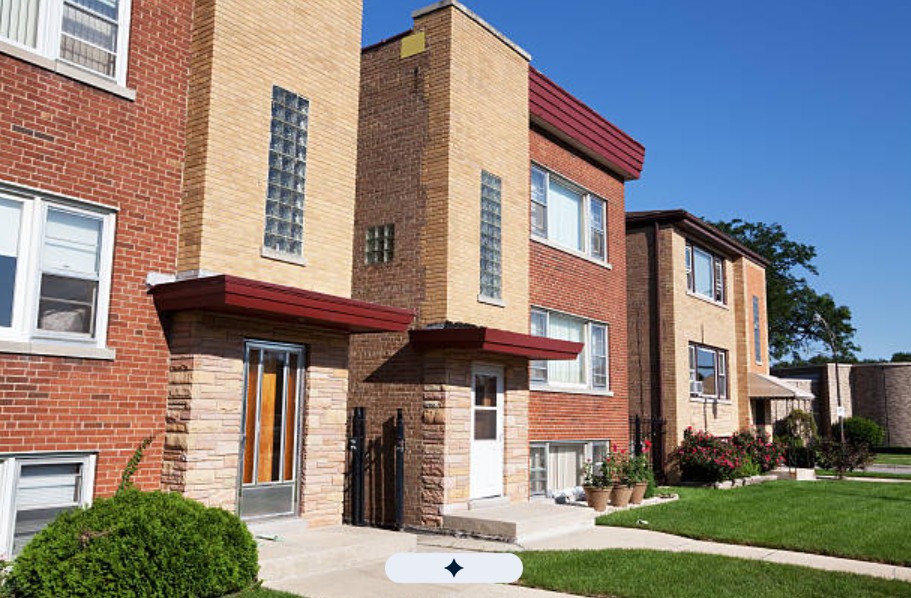
Moving into a Chicago apartment can feel exciting until building policies, loading restrictions, and elevator schedules begin to complicate the day.
Unlike moving into a detached house, an apartment move often involves several people, including the landlord, building manager, security staff, maintenance team, and moving company.
Chicago also has a diverse housing landscape, meaning it includes many different types of homes. Renters may be moving into a vintage walk-up, a courtyard building, a converted loft, or a modern downtown high-rise. Each property can have completely different rules.
Preparing early helps you avoid preventable delays, extra charges, and last-minute confusion. Before packing the first box, confirm the building’s rules, reserve the elevator, check approved moving hours, and give all relevant instructions to your moving company.
Read the Building’s Move-In Rules First
Every Chicago apartment building operates differently. A vintage walk-up in Lakeview may have relatively simple procedures, while a high-rise in the Loop may require several documents and advance approval.
Ask the landlord, leasing agent, or property manager for the complete move-in policy as soon as the lease is signed. Do not rely on a casual verbal explanation. Request the rules in writing so you can share them with your moving company.
Check for Required Documents
Many professionally managed buildings require a Certificate of Insurance, commonly called a COI, from the mover. This document confirms that the company carries appropriate insurance coverage.
The building may also request:
The mover’s business and contact details
Proof of liability and workers’ compensation insurance
The scheduled arrival and departure times
The number of movers expected
Details about the moving vehicle
A refundable move-in deposit
A signed acknowledgment of building rules
Some buildings provide specific wording that must appear on the COI. Send those instructions directly to the moving company rather than trying to interpret them yourself.
Understand Protection Requirements
Management may require protective padding inside elevators, coverings on lobby floors, or guards around doorframes. These precautions are intended to prevent damage to shared areas.
Ask who supplies these materials. In some buildings, maintenance staff prepares the elevator. In others, the moving company must provide all the necessary protection.
Reserve the Elevator Before Finalising Your Schedule
Elevator access is one of the biggest logistical constraints, meaning practical limitations, in a Chicago apartment move. Passenger elevators may not be available for furniture, especially in larger buildings.
Many high-rises use a separate freight elevator that residents must reserve in advance. Available time slots can disappear quickly near the end of the month, when many leases begin or expire.
Confirm the Length of Your Reservation
Do not simply ask whether the elevator is available. Confirm the exact start and finish time.
A building may provide a two-, three-, or four-hour window. If the movers arrive late or the job takes longer than expected, another resident may already have the next reservation.
Ask these questions before confirming the move:
Is there a dedicated freight elevator?
How long is each reservation?
Is elevator padding included?
Can the reservation be extended?
Are there overtime or late fees?
Where should movers enter the building?
Is a key, access card, or security escort required?
Understanding these details in advance helps the moving company calculate how many workers, vehicles, and hours may be needed.
Coordinate the Elevator With the Movers
Once the reservation is approved, provide the exact window to your moving company. Experienced professionals can estimate how much loading, travel, and unloading time the job may require.
Working with a service such as Better Life Moving can help renters manage high-rise access, insurance documents, parking considerations, and other Chicago-specific moving arrangements. Send the building’s instructions early so the company has enough time to prepare the correct paperwork and equipment.
Choose Your Move-In Time Carefully
Move-in timing affects traffic, parking, elevator availability, and the total duration of the job. The most convenient date on your personal calendar may not be the easiest date for the building or moving company.
Avoid Peak Dates When Possible
The final few days of a month and the first weekend of a new month are often highly competitive. Many renters begin and end leases at the same time, placing additional pressure on elevators, loading docks, and moving-company schedules.
A weekday morning may be easier because:
Building staff are more likely to be available
Movers can finish before restricted evening hours
Elevator reservations may be easier to secure
There is more time to resolve access problems
Loading areas may be less congested
Morning rush hour can still affect travel. Discuss the route and expected arrival time with the mover, particularly when relocating into the Loop, River North, Streeterville, or another densely populated neighbourhood.
Check Approved Moving Hours
Some buildings allow moves only during weekday business hours. Others permit Saturday appointments but prohibit Sunday moves. A building may also refuse moves during public holidays, major events, or scheduled maintenance periods.
Arriving outside the approved window could result in the move being delayed or completely refused. Confirm the rules with both the building you are leaving and the building you are entering.
Plan Parking and Loading Access
Parking a moving truck near a Chicago apartment can be difficult, especially on narrow residential streets or near busy downtown buildings.
Ask management whether the property has:
A private loading dock
A service entrance
An alley-access point
A reserved loading zone
Vehicle-height restrictions
Special instructions for truck drivers
Do not assume that a moving truck can remain outside the main entrance. Some properties require all movers to use an alley, garage, or rear service area.
Measure the distance from the truck’s expected parking position to the apartment. A long carry, which means movers must transport items over a considerable distance, may increase the time and overall cost of the move.
Prepare the Apartment Before the Truck Arrives
Complete a walkthrough before moving day whenever possible. Check hallways, staircases, elevator doors, and apartment entrances to ensure large furniture can pass through.
Measure bulky items such as sofas, bed frames, dining tables, and wardrobes. If an item cannot fit inside the elevator, ask whether stairs may be used and whether the mover charges an additional fee.
Keep the following items with you:
Apartment keys
Personal identification
Building contact details
Elevator reservation confirmation
Lease documents
Moving-company contact information
Basic cleaning supplies
Phone charger and essential medication
Do not place these items inside the moving truck, where they may be difficult to retrieve quickly.
Conclusion
A successful Chicago apartment move depends on careful coordination. Building rules, elevator reservations, approved moving hours, loading access, and insurance documents should all be confirmed before moving day.
Speak with building management as early as possible, reserve the freight elevator before selecting the final moving time, and provide every instruction to your movers in writing. It is also wise to choose a moving company that understands the practical challenges of Chicago apartment buildings.
Taking these steps may seem meticulous, meaning extremely careful, but that preparation can prevent delays, protect your belongings, and reduce unnecessary expenses. Confirm the details now, hire a properly equipped moving service, and give yourself the best chance of starting life in your new apartment without avoidable stress.