


How Proactive Roof Inspection Programs Protect Rental Property Net Operating Income
Regular commercial roof audits allow property managers to uncover hidden water leaks early, shielding net operating income from catastrophic building repairs.
The building envelope protects your physical properties, but deferring inspections until ceiling stains appear inside tenant units creates immediate financial distress. Interior drywall destruction, remediation costs, tenant lease cancellations, and emergency construction calls quickly drain operating revenue.
Scheduled evaluation programs turn building envelope preservation from an unpredictable liability into a stable operational asset. Regular diagnostic audits can catch microscopic vulnerabilities before water touches a resident's living area.

Why Does Deferred Maintenance Threaten Your Rental Operating Margins?
Unchecked roof deterioration chips away at property profitability long before water drips onto a tenant's floor. Minor surface ponding, hairline membrane separations, and loose perimeter flashings permit moisture to seep into underlying insulation layers. Saturated insulation loses its thermal resistance, forcing heating and cooling equipment to work harder and driving utility expenses higher across common areas.
Catching these defects early preserves both physical structures and working budgets. Data published by Re-Leased indicates that preventive maintenance strategies reduce operational expenses by 12 to 18 percent compared to reactive approaches, while cutting broad maintenance expenditures by roughly a quarter. When you fix minor seal cracks during scheduled rounds, you avoid paying inflated emergency surcharges during heavy storms.
What Happens Beneath Hairline Membrane Fissures?
Water follows the path of least resistance across a low-slope roof deck. A microscopic split in an asphalt or single-ply membrane allows moisture migration that remains invisible from the surface. Trapped water expands through seasonal freeze-thaw cycles, rotting plywood decking, rusting steel fasteners, and creating hidden colonies of organic growth.
Replacing wet decking across an entire multi-unit building demands disruptive structural tear-offs that strain capital reserves. You face steep tenant compensation claims, hotel rehousing costs, and lost rent if moisture reaches residential living quarters. Addressing tiny punctures with patch repairs costs a few hundred dollars, whereas emergency structural tear-offs easily reach tens of thousands of dollars.
How Do You Select Regional Commercial Roofing Partners?
Your long-term maintenance strategy relies heavily on trade specialists who understand large multi-unit properties. When you manage scattered apartment communities and source contractors for multi-family roofing in Indiana, partnering with experienced commercial technicians guarantees thorough assessments tailored to regional weather patterns. These regional crews recognize how severe winter freezes and summer heat waves stress commercial materials.
A qualified contractor provides multi-year evaluation contracts that standardize service costs. Securing dedicated maintenance agreements gives your properties priority scheduling during sudden weather crises. You gain reliable trade technicians who understand your roof histories, warranty requirements, and mechanical configurations.
How Do You Build an Effective Multi-Unit Inspection Protocol?
Maintaining consistent oversight calls for an organized schedule. You should schedule comprehensive visual walks twice per year, once in early spring following winter freezes and once in autumn ahead of storm cycles. Technicians inspect roof field membranes, drainage outlets, and perimeter copings to verify structural integrity.
Large apartment complexes require systematic evaluation steps to guarantee full coverage:
- Clear drainage pathways: Inspect scuppers, gutters, and internal drains to remove leaves and debris before standing water stresses structural framing.
- Inspect flashing transitions: Check parapet walls, mechanical curbs, and perimeter edges for hairline cracks, loose fasteners, or adhesive failure.
- Conduct thermal scans: Use infrared moisture equipment to identify wet insulation pockets beneath the surface without puncturing commercial membranes.
- Document surface conditions: Photograph every minor defect directly into your property management software to map system aging accurately.
Logging these details creates an audit trail that helps your maintenance team forecast repairs before small flaws trigger interior damage.
How Do Regular Audits Strengthen Capital Reserve Planning?
Capital expenditure requests for full roof replacements require clear physical evidence to satisfy property owners and lenders. Scheduled evaluation logs prove your maintenance diligence, helping appraisers and reserve specialists accurately estimate remaining useful life. Facilities management guidance from Travelers highlights that formal roof inspection plans prolong commercial material lifespan while eliminating sudden emergency repair outlays.
Documented maintenance records provide necessary proof during property insurance underwriting renewals. Insurers penalize older commercial roofs with higher deductibles or depreciated settlement schedules without verifiable proof of ongoing professional care. Clean inspection records demonstrate responsible risk management, protecting your property insurance premiums from steep rate hikes.
How Do You Coordinate Inspections Across Occupied Communities?
To inspect occupied properties, you need careful coordination between maintenance personnel, external contractors, and resident management. Heavy foot traffic on roof decks can generate unsettling noise for residents living on top floors. Establishing clear communication protocols minimizes tenant concerns and gives technicians safe, unrestricted roof access.
Notify residents 48 hours in advance of any scheduled roof evaluation or gutter cleaning. Your on-site management team should coordinate staging zones for contractor ladders, service vehicles, and safety equipment away from tenant parking and primary walking paths. Transparent scheduling preserves resident goodwill, avoids noise complaints, and keeps your property operations running smoothly.
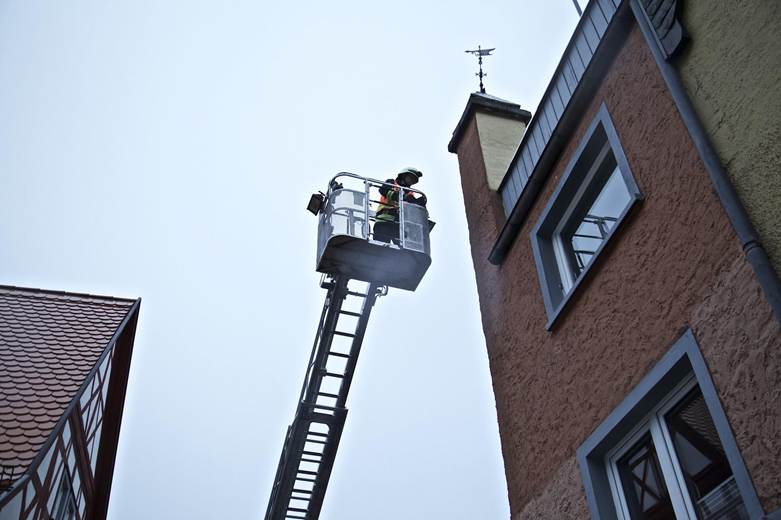
Treating roof inspections as a yield-protection strategy defends your baseline asset valuation throughout every market cycle. Consistent monitoring eliminates surprise expenses, keeps residents comfortable in their homes, and stretches the functional life of your capital investments. When you protect the building envelope systematically, you keep your operating margins intact and your balance sheet strong.