



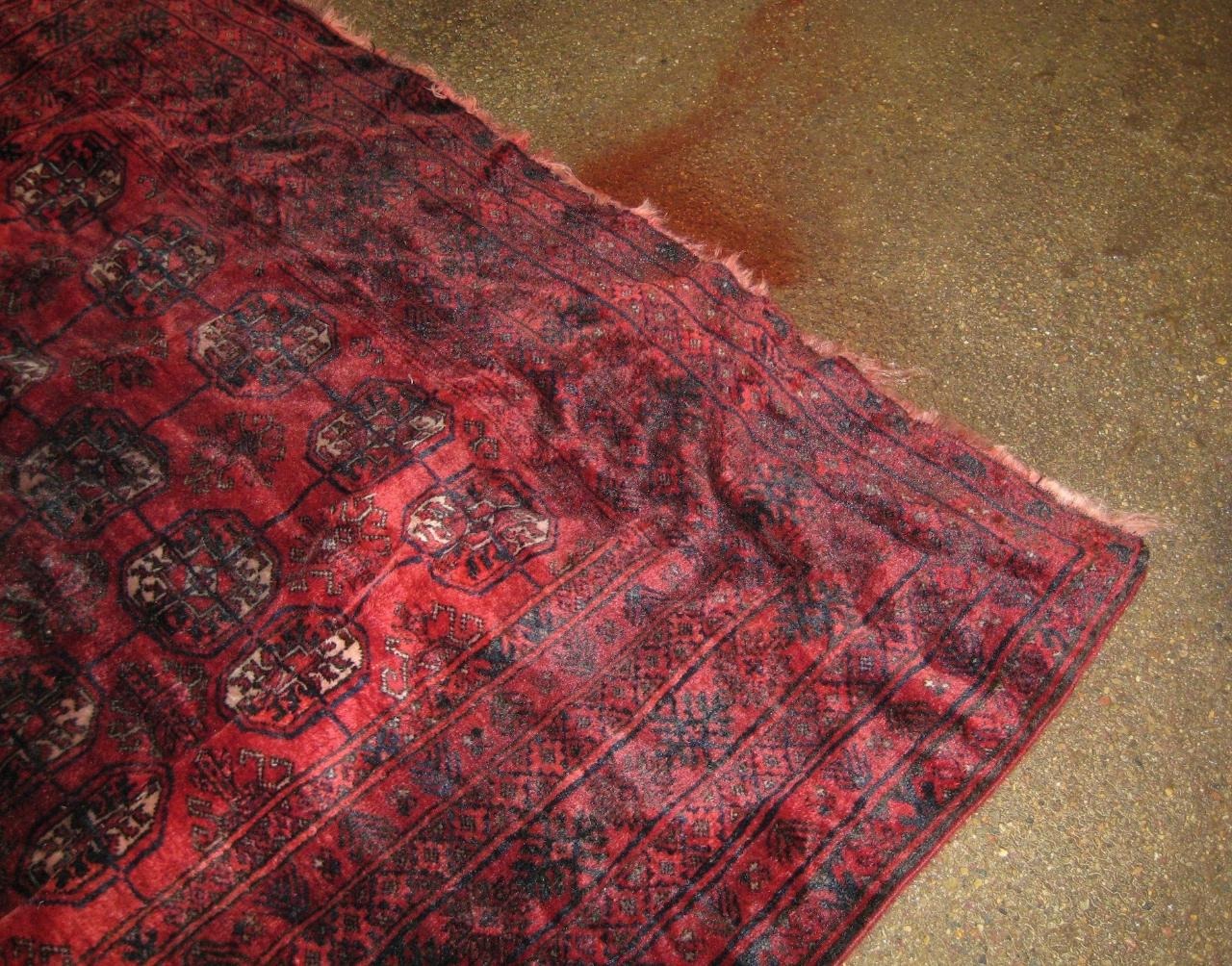
Aberdeen, Washington gets more than 80 inches of rain a year. Kurt Cobain grew up there in a town where damp wasn't weather so much as a roommate. Wet sidewalks, flannel, a basement that never quite dried out. You either made peace with it, or you moved.
Wool made that peace a few thousand years ago. It comes off animals that stand in bad weather all day, so people assume a wool rug will shrug off a spill. Sometimes it does. Then a washing machine hose lets go while you're at work, and you learn the difference between a spill and a soak.
I've heard the same story from enough homeowners now that I can finish it for them. The rug looked fine. It felt fine. Three days later the room smelled like a wet dog's gym bag.
Why Wool Fights Water Until It Doesn't
Each wool fiber is a contradiction. The outside pushes water away. That’s why a splash of juice beads up and just sits there looking brave. The inside? It’s made to soak up moisture. If you give it time, it does just that. A rug can hold a good amount of water. Yet if you press down on it, it still feels almost dry.
And that's the trap. People just check the surface, shrug, and go to bed.
The trouble lives lower down. Many wool rugs are knotted on cotton foundations, and some use jute. Both are plant fibers, and plant fibers that stay wet will weaken and eventually rot. They can also push dye. Discoloration up into the pile as everything dries. Rug people call the tan result cellulose browning, and it shows up worst on light rugs.
Then there's mold. The EPA says it can start growing within 24 to 48 hours after something gets wet. Which means a leak on Friday evening is already a mold situation by Sunday, whether or not you've noticed.
Keeping Water Away From the Rug
Start with placement, because it's the cheapest fix there is. Doorways get the worst of it. Wet boots, snow, a dog that just discovered a puddle. A decent mat inside the door does more for your rug than any spray or treatment. Below-ground rooms are another problem.
If you place a wool rug in a basement, you should turn on a dehumidifier. The EPA recommends that humidity levels stay between thirty and fifty percent. If a wool rug stays in humid air for many months, the wool rug will begin to smell funky even if there is no water leak.
Look under the wool rug from time to time. Cheap vinyl pads keep moisture from the floor, as plastic wrap does. A felt pad or a mix of felt and rubber lets the floor breathe easily. Every month, lift one corner of the wool rug and press your hand flat on the floor. It only takes two minutes. No person performs this task.
Appliances come next. Washing machine hoses, dishwasher lines, the tube that supplies water to a freezer's ice maker. The water heater, which most people only think about when it's already ruined their weekend. These items usually last between 8 and 12 years and a lot of people don't know how old theirs is. Replace rubber washer hoses with braided steel. Put a water sensor under the sink and next to the heater. They run about the price of lunch, and they'll shout at you before the rug ever gets wet.
Now the pipes you can't see. Backups don't just appear out of air. A tub that drains slowly, a toilet that makes noises when the washing machine runs, a kitchen sink that burps; these aren't just minor annoyances.
They are warning signs. Grease, wet wipes, and tree roots build up in pipes over time. Month after month, the blockage gets worse. The first real warning comes when dirty water starts spreading across the floor. That's when things go from bad to worse. Snaking a pipe might clear the clog with a tool.
It often leaves behind a thick layer of gunk stuck to the inside of the pipe. That gunk stays. It keeps growing. It keeps slowing things down. Hydro jetting uses high‑pressure water to blast every bit of buildup. It then cleans the pipe from the inside out. A licensed plumber can get your drains running like new again. Before that little gurgle turns into a blown flood in your living room.
It’s worth doing, honestly. Even if you don’t own a nice rug. Because the cost of damage can be much higher than the cost of prevention. No one wants to clean up after a backed-up sewer line.
The First Hour After a Leak
Don't start with towels. Start with the source. Turn off the water at the fixture or the main valve. Nothing else you do will matter if the water is still running. If water is close to outlets or cords, turn off the power at the breaker. Only do that if you can reach the panel without stepping into the water.
Get weight off the rug next. Furniture with wooden legs on wet wool leaves stains that don't come out, ever. Blot. Do not scrub. Scrubbing pushes water deeper. Can bend the pile. Use a vacuum if you have one and borrow one if you do not.
Most people skip getting the rug off the floor first. A soaked rug sitting on a wet floor just keeps drinking. Pull the pad out. Throw it away because the pad is a sponge, and buying a new one is cheaper than drying this one. Lay the rug flat if possible, lift it slightly so air can reach underneath, and aim a fan at it.
Use a dehumidifier in the room. Don’t roll the rug when it is wet. That traps the water right where you don't want it. And get a second person, because wet wool is heavy enough to hurt your back and strain the foundation.
Do not reach for heat either. When there's a hair dryer, a space heater or even a sunny afternoon in the yard, all of these look like ideas but each one can shrink, fade or stiffen wool because they expose wool to heat. The key is to keep things slow and cool; heat should be avoided. Also avoid water because heat can make stains set and colors run.
A Sewage Backup Is a Different Animal
Everything above assumes clean water, like a supply line that splits. A backup isn't clean water. Restoration professionals sort water into three categories. Sewage lands in the one usually called black water. Black water can carry germs like bacteria, viruses, and parasites. The CDC flood cleanup guidance says to throw away anything that cannot be cleaned and disinfected. It specifically names carpeting, padding, and rugs.
Wool is porous. Once it's soaked in sewage, you can't reliably sanitize it, and it's not something anyone should be sitting on.
There's a narrow exception. If you have a rug, you might need a person who cleans dirty textiles. Call someone before you throw it away. Expect that person to say no. Keep the rug away from living areas. Wear gloves and boots when you move the rug. Wash the handmade rug after cleaning.
That is where the problem often begins. People move the rug and mop the floor, thinking they are doing a job, but they do not know why the line backs up. Two weeks later, the same mess comes back. If the main line is still blocked, none of your cleaning will do any good. Call a plumber first to find out what’s causing it. Then fix the problem for good.
Drying, Cleaning, and Knowing When to Quit
After the water's out, drying is slow. Think days. A rug is dry when the back, the fringe and the floor beneath it are all dry, and checking the top doesn't count. Put your hand on the underside. Any cool patch means water's still in there.
If your rug is an antique, has silk woven into it, or cost a small fortune, don't gamble on cleaning it yourself. Find a shop that regularly handles wool rugs. They'll have the equipment to wash out what's trapped deep in the fibers and dry the whole rug properly. That's a tough job to pull off in your living room. Ask about the dyes, too. A good one tests for bleeding before anything gets wet.
Watch for the bad signs. Maybe that damp, musty smell disappears for a day, then comes creeping back. Or you notice one color bleeding into another. Turn the rug over. Does the backing feel oddly stiff? Are there bumps and wrinkles that weren't there before? A few of these problems are fixable. Others mean the damage has gone too far. A decent rug specialist will tell you when there's no point spending another dollar on it.
Before moving things around, get your phone out and photograph the damage. Save the plumber's bill, the cleaning invoice, and every other receipt. If you end up making an insurance claim, you'll be glad you kept them.
Insurance has its own unpleasant surprises. A pipe that bursts without warning may be covered, while one that's been leaking quietly for months might not be. Sewage coming back through the drains is another story. Many policies require separate coverage for that.
Check the fine print while your floors are still dry. It's a miserable thing to discover what's excluded when you're already standing in dirty water.
The Short Version
Wool can put up with years of muddy shoes, spilled drinks, and everyday wear. That's partly why water damage catches people off guard. The rug looks okay, so they leave it alone. Meanwhile, moisture is sitting deep in the backing, doing its damage.
Keep an eye on the plumbing, deal with leaks as soon as you find them, and don't wait for a bad smell to tell you something's wrong. If sewage has soaked through the rug, sometimes the sensible choice is to let it go.
In Poe's *The Tell-Tale Heart*, the narrator couldn't escape the sound coming from beneath the floorboards. A waterlogged rug has a less dramatic way of getting your attention. The smell starts faint, disappears for a while, then returns when you least expect it. By then, you may have missed your best chance to save the rug.