



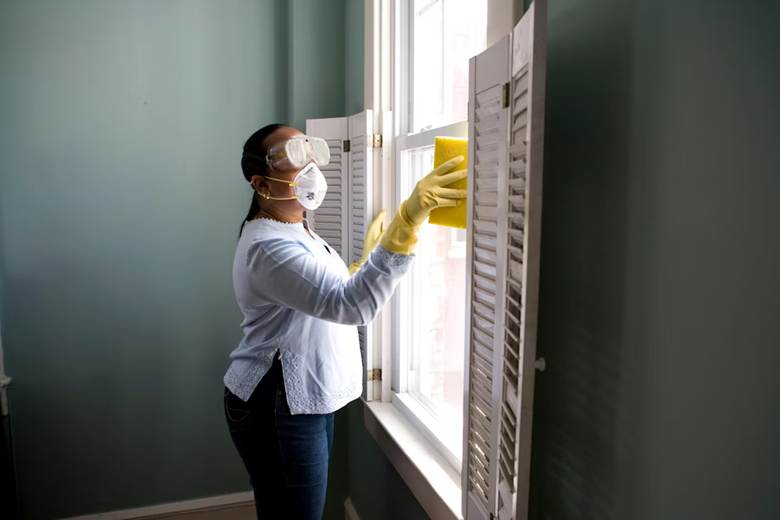
Indoor air and surfaces collect dust, allergens, and germs quickly. Professional cleaning brings order to that chaos - using the right methods, products, and schedules to cut risks without disrupting daily life. This guide explains how trained teams improve air quality, reduce illness spread, and keep high-touch areas safer in offices, schools, and shared buildings.
Why routine cleaning matters for health
Clean spaces help people stay well. Dust, skin cells, and germs build up on high-touch surfaces fast. A CDC overview explains that cleaning and disinfecting are proven ways to cut the spread of common illnesses in everyday settings.
Air quality and chemical exposure
What you use to clean is as important as how often you clean. Research summarized in a peer-reviewed review found that some cleaning products can raise indoor levels of volatile chemicals and particles, which may irritate eyes and lungs. The takeaway is simple - smarter product choices and good technique can lower that risk without sacrificing hygiene.
Partnering with a local professional team
Local knowledge matters when you build a healthy cleaning plan. Teams who work in your area understand weather patterns, pollen seasons, and building styles, and Precimax Clean Perth and similar companies can also tailor schedules to office hours and tenant needs. That kind of planning cuts disruption while keeping the day-to-day environment calm and consistent.
They can also train on-site staff in simple habits that prevent recontamination. For example, placing hand wipes near shared touchscreens or adding entry mats to catch debris can extend the life of each cleaning.
Practical strategies for low-emission cleaning
Professional teams can dial in methods that keep indoor air calmer while still removing grime. Microfiber, dilution control, and spot-cleaning reduce the need for harsh chemicals. They also match the product to the task, so you are not overusing disinfectants when a detergent will do.
- Use microfiber cloths and flat mops for better soil capture
- Apply the right dilution using closed-loop systems
- Ventilate rooms during and after deep cleans
- Prefer fragrance-free, low-VOC options where possible
- Reserve hospital-grade disinfectants for targeted tasks
- Store and label chemicals safely to prevent mix-ups
These habits make day-to-day cleaning predictable and safer. They also support people with sensitivities who react to strong scents or residues.
Allergies, asthma, and healthier spaces
Cleaner interiors can make a real difference for people with allergy or asthma symptoms. Evidence from clinical settings shows that improving environmental factors in homes and schools can reduce symptoms and even lower medication use. Professionals can build scheduling and task lists around peak pollen seasons or school calendars to keep triggers down.
Dust, mites, and moisture
Dust mites love soft surfaces. Regular vacuuming with HEPA filters and periodic hot-water laundering of textiles reduce allergen loads. Tackling moisture and leaks keeps mold from gaining a foothold.
High-touch surfaces and smart schedules
Hands are the main way many germs travel. Door handles, lift buttons, rails, switches, and shared screens need frequent attention. Pros map these touchpoints and set cleaning frequencies that reflect actual foot traffic, not guesses.
Rotating deep-clean tasks keeps buildup from sneaking back. For example, descaling bathroom fixtures, cleaning behind equipment, and addressing vents on a set cadence prevents hidden reservoirs. Short checklists at the end of each shift help teams confirm that priority spots were handled.
Ventilation, filtration, and cleaning as a system
Cleaning works best when it pairs with air movement and filtration. Even simple steps like opening windows during non-peak hours or confirming HVAC filters are changed on time can help. Vacuuming with sealed machines and HEPA bags keeps captured dust from leaking back into the room.
When projects involve painting, floor refinishing, or new furniture, plan a separate clean and purge cycle. That includes more air exchanges and extra surface wipes to reduce off-gassing. A coordinated plan protects indoor air while the space returns to normal use.
From products to proof
It is not enough to clean - you want to know the work is making a difference. Professionals use checklists, ATP testing in sensitive areas, and visual standards to verify results. A CDC guide emphasizes setting clear cleaning objectives and matching methods to the risk level, which helps teams prove impact without overusing chemicals.
Choosing products and methods with care
A broad-spectrum disinfectant is not a cure-all. The peer-reviewed literature warns that aggressive products, used too often or in poorly ventilated rooms, can raise exposure to irritants. By contrast, targeted use and rinse steps leave fewer residues, especially on desks, keyboards, and break-room counters where hands and food meet.
Finally, think about packaging and storage. Closed cartridges, color-coded bottles, and locked cabinets reduce spills and mix-ups. Labels should be readable at a glance, so a new team member makes the right choice under time pressure.
Healthy indoor spaces do not happen by accident. They come from steady routines, right-size products, and measurable standards. With the right partner, your cleaning plan can protect people every day without making the air feel harsh or the space hard to use.