



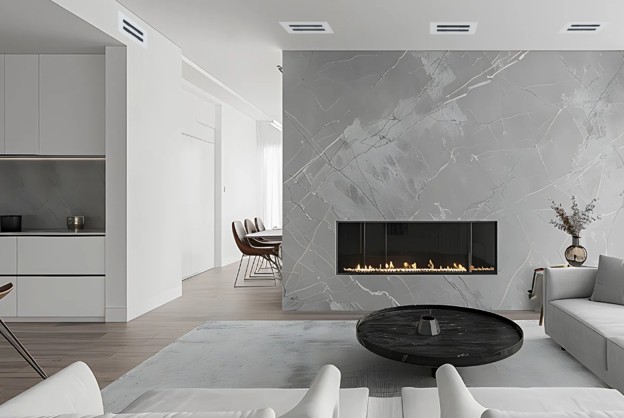
Ceiling vent covers are quite useful, but they may have an impact on the appearance of your room as well. A mismatched vent cover can be noticeable in contrast to a well-thought-out ceiling and can make the area less harmonious. Visual imbalance can also be caused by the wrong size, finish, or design, particularly in contemporary interiors, where details are important. Meanwhile, aesthetics must not be at the cost of adequate airflow and sensible installation.
The correct way is to look at the functionality and the style, then choose accordingly. You are able to evaluate the vent size, ceiling layout, material, finish, and airflow requirements. This can guide you to choose something that suits your space and not one that takes attention away.
The interior style, ceiling design, material, finish, and airflow requirements are all a part of the correct choice. These five points can aid you in making a selection.
1. Match Vent Cover Style with Interior Design
Start with your room’s overall design. Your ceiling vent must be in line with the current style as opposed to being out of place. In contemporary or minimalist interior design, a simple appearance can be achieved using clean grilles. Older rooms can be more gentle with a more ornate design.
Next, consider the vent’s shape. Square and rectangular grilles can add structure, while linear designs can create a sleek appearance. Additionally, inspect the nearby items like lighting, doors, ceiling details, and other hardware. This can help you select ceiling vent covers that feel consistent with the room.
Lastly, determine the visibility of the vent you want. A bare grille can be integrated into the ceiling. A specified design may provide a fine visual touch.
2. Consider Ceiling Vent Cover Size and Layout
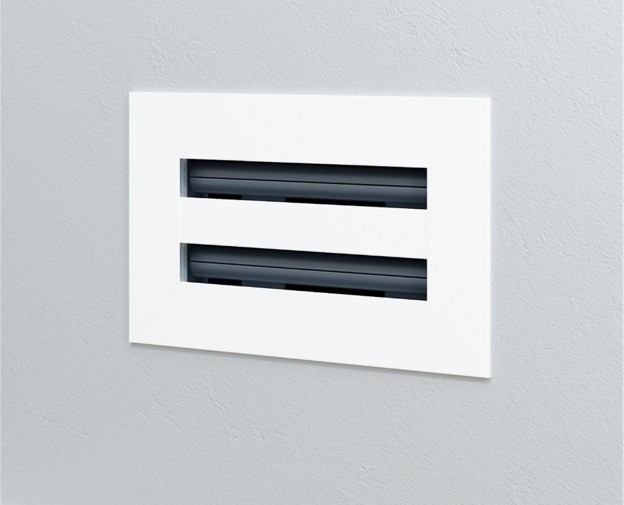
One of the initial things to consider is size. An existing opening has to fit a vent cover. Therefore, measure the opening and compare that with other styles or finishes. Do not count solely on the size of the old cover. Measure the real size and order the correct size to prevent making a mistake.
Next, look at the vent’s position on the ceiling. When you have multiple vents, there can be more visual balance with similar designs. The proportions of the vent should also be appropriate to the ceiling. The grille might appear lost on a large ceiling. A large one attracts excessive attention.
Lastly, gauge abnormal openings. Proper measurements should be used to avoid fitting problems and ease the installation.
3. Select Materials That Suit Your Space
The material of a vent cover affects its look, durability, and maintenance needs. Aluminum is a common choice for architectural grilles because it is lightweight and resistant to rust. It can also be easier to handle during installation.
However, consider the room before selecting a material. Think about moisture, dust, cleaning needs, and daily use. A low-maintenance material can be useful in busy spaces.
You should also check how the material fits with existing features. Metal lighting, door hardware, and other details can guide your choice. A suitable material can create a more consistent interior.
Finally, look beyond appearance. Consider durability and maintenance as well. This helps you choose a practical cover that suits your space.
4. Choose Finishes That Blend with Ceiling Details
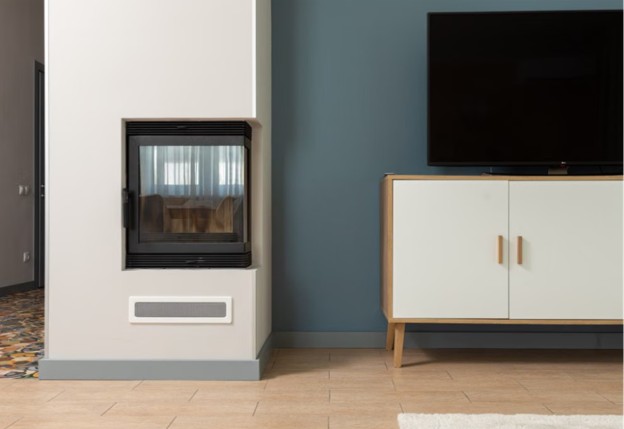
Once you select the style and material, consider the finish. A suitable finish can help the vent blend with the ceiling instead of standing out. For example, matte white can work well with many white ceilings. It also creates a clean and simple look.
However, you do not always need an exact color match. A subtle contrast can also add visual interest when it suits the room. Look at nearby elements before deciding. Lighting fixtures, trim, doors, and other hardware can guide your choice.
Also, consider maintenance. Painted ceilings and vent covers may collect dust over time. Choose a finish that is easy to clean and can maintain its appearance with regular care.
5. Prioritize Airflow and Practical Performance
A vent cover is still part of your HVAC system, so appearance should never be your only consideration. The grille needs to support appropriate airflow for the opening and system. A visually attractive cover will not be a good choice if it restricts airflow or does not suit the existing setup.
Pay attention to the grille’s opening pattern and design. These details can influence how air moves through the cover. If you are replacing an existing grille, compare the new option with the old one and make sure its specifications are suitable for your application.
Installation is another practical factor. Some designs use concealed mounting systems that create a cleaner appearance after installation. However, you should still check whether the mounting method works with your ceiling and existing opening.
Finally, consider maintenance. A ceiling vent collects dust over time, so choose a design that can be cleaned without unnecessary difficulty. Balancing airflow, installation, durability, and maintenance with appearance will help you make a more reliable choice.
Conclusion
Choosing a ceiling vent cover involves more than finding a design that looks good. You need to consider its size, shape, material, finish, airflow, and installation requirements together.
Start by examining your interior style and ceiling layout. Then, compare options that fit the existing opening and support the practical needs of your HVAC system. A simple, well-proportioned design can help maintain visual consistency without drawing unnecessary attention.
By considering both appearance and performance, you can select a vent cover that fits your space properly and remains practical for everyday use.