



10 Landscaping Ideas to Boost Your Home’s Curb Appeal
Quick Answer
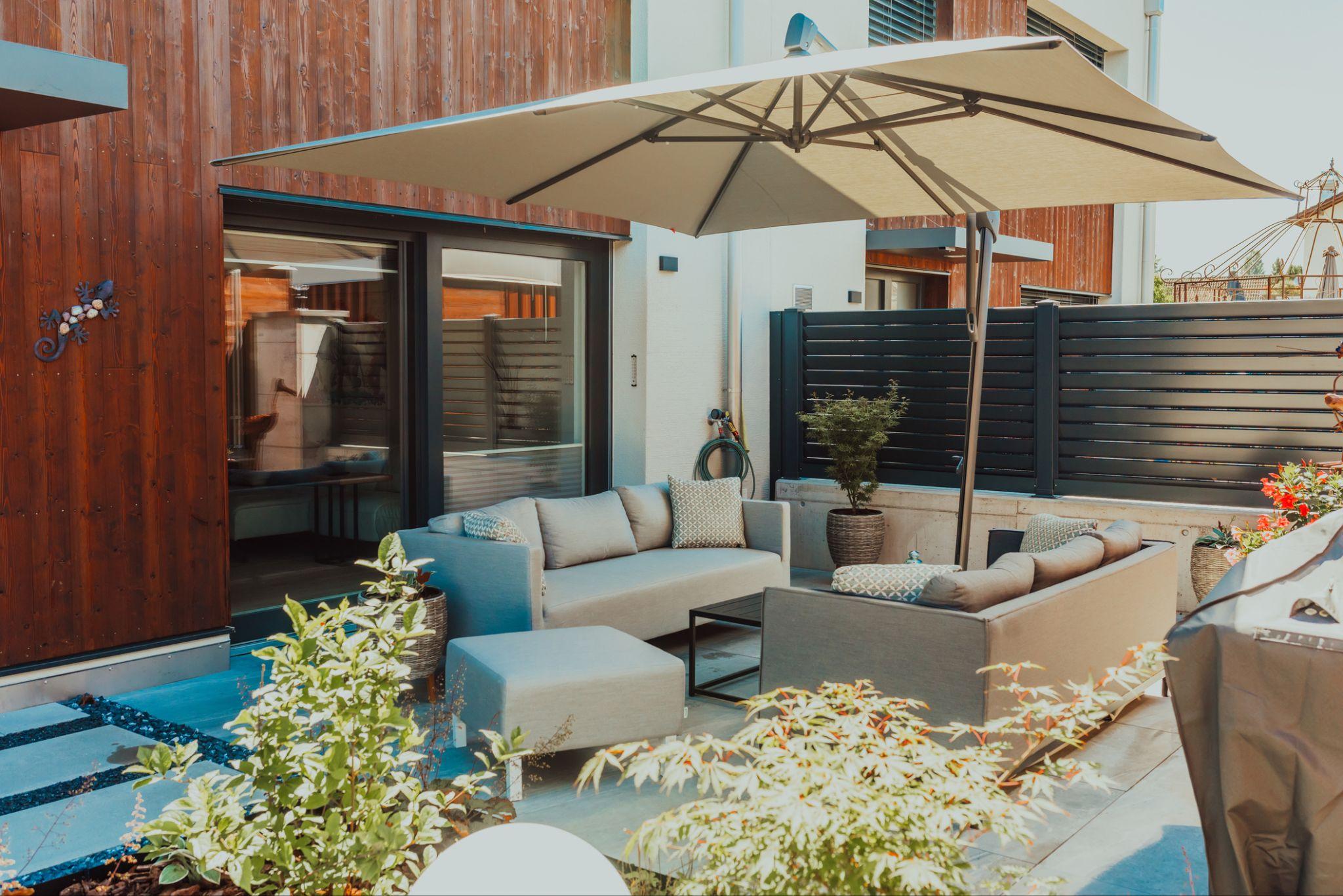
Enhancing your home’s exterior starts with thoughtful landscaping that balances beauty and practicality. Simple updates like fresh mulch, trimmed hedges, and well-placed perennials can transform a tired front yard. Adding defined pathways, subtle lighting, or layered plantings creates depth and visual interest. Even low-effort choices - such as a cohesive colour palette or seasonal containers - make a noticeable difference. The goal is to craft an inviting entryway that reflects care, style, and attention to detail without requiring a full redesign.
Introduction
First impressions matter - and for most homes, that impression begins before you even step through the front door. A well-tended landscape doesn’t just look appealing; it signals pride of ownership and sets the tone for what’s inside. Whether you’re preparing to sell or simply want to enjoy a more welcoming view from your window, small changes can yield big rewards.
Many homeowners turn to professionals to help refine their vision. A trusted landscape design company like Tazscapes brings experience in translating everyday yards into standout spaces that harmonize with a home’s architecture and local environment.
The good news? You don’t need a massive budget or a green thumb to elevate your property’s look. With smart planning and a few strategic choices, you can implement effective curb appeal ideas that hold up through Canadian seasons and complement your lifestyle. Below are ten landscaping approaches that blend aesthetics, function, and long-term ease of care.
Top 10 Landscaping Ideas to Boost Home Curb Appeal
Creating an eye-catching front yard doesn’t require a total overhaul. Often, it’s the blend of texture, structure, and seasonal thoughtfulness that makes a property stand out. Below are ten landscaping strategies that combine visual impact with practicality - perfect for Canadian homeowners looking to refresh their outdoor space without constant upkeep.
1. Frame Your Entryway with Layered Plantings
Start at the focal point: your front door. Use a mix of low, medium, and tall plants to create depth. Evergreen shrubs like boxwood provide year-round structure, while perennials such as coneflowers or black-eyed Susans add seasonal colour. Layering ensures your yard looks intentional - not just filled with random greenery.
2. Install a Clean, Defined Walkway
A well-laid path guides visitors naturally to your door and instantly sharpens your home’s look. Materials like flagstone, pavers, or poured concrete curbing offer durability and style. For added charm, edge the walkway with low ground cover or subtle lighting.
3. Refresh Mulch and Beds Annually
New mulch does more than suppress weeds - it gives beds a crisp, cared-for appearance. Choose a shade that complements your home’s exterior: dark brown for contrast against light siding, or cedar mulch for a rustic feel. Replenish in spring to maintain both aesthetics and soil health.
4. Use Strategic Outdoor Lighting
Soft lighting enhances safety and drama after dusk. Opt for solar-powered path lights, low-voltage spotlights to highlight trees, or recessed step lighting along stairs. Avoid harsh glare - aim for warm, diffused tones that create ambiance without overwhelming the space.
5. Add Architectural Interest with Hardscaping
Elements like low retaining walls, decorative borders, or a small bench introduce structure and break up flat green space. Even a simple curved edging can transform a generic lawn into a curated landscape.
6. Incorporate Native and Drought-Tolerant Plants
Canadian climates vary, but choosing region-appropriate flora reduces maintenance and boosts resilience. Native grasses, sedums, and serviceberries thrive with minimal intervention and support local pollinators - making your yard both beautiful and ecologically responsible.
7. Upgrade Your Front Door Area
While not strictly landscaping, the immediate door zone matters. Add matching planters on either side (think dwarf spruce or seasonal mums), a new welcome mat, and a clean house number plaque. This micro-zone is where curb appeal becomes personal.
8. Create Visual Balance with Symmetry
Symmetry feels calming and intentional. Mirror plantings, lighting, or decorative elements on both sides of your driveway or walkway. You don’t need perfect duplication - just visual weight that feels harmonious from the street.
9. Maintain a Healthy, Uniform Lawn
A patchy or weedy lawn undermines even the best design efforts. Overseed thin areas in early fall, aerate compacted soil, and keep mowing height at 3–4 inches to encourage deep roots. For low-maintenance alternatives, consider micro-clover or artificial turf in high-traffic zones.
10. Think Year-Round Interest
Great curb appeal lasts beyond summer. Include winter-friendly features like ornamental grasses that catch frost, evergreens with unique textures (e.g., blue spruce or arborvitae), or berry-producing shrubs that attract birds in colder months.
Feature | Warm-Season Impact | Cold-Season Appeal |
Ornamental Grasses | Flowing texture, movement | Frost-catching seed heads |
Evergreen Shrubs | Background structure | Green depth in snow |
Decorative Bark or Stone | Visual contrast | Clean look under snow |
Hardscaping Elements | Define space | Uninterrupted lines in winter |
These ideas work individually or together - and most can be implemented gradually. The key is consistency in style and attention to detail, not the size of your budget or yard.
Beyond the Basics: What to Consider After Your Landscaping Refresh
Once you’ve implemented foundational updates - like layered plantings, clean hardscaping, or strategic lighting - it’s worth thinking about how these elements perform over time, especially in Canada’s variable climate. Long-term success hinges not just on initial design but on adaptability, maintenance rhythm, and alignment with your daily life.
Plan for Four-Season Functionality
A yard that shines only in July won’t sustain year-round home curb appeal. Choose features that transition gracefully through seasons:
- Spring: Early bulbs (like crocus or daffodils) signal renewal.
- Summer: Focus on texture and bloom succession - avoid a single “peak” moment.
- Fall: Ornamental grasses and shrubs with coloured stems (e.g., red-twig dogwood) add warmth.
- Winter: Evergreens, structural hardscaping, and clean snow-clearing zones keep the front yard from looking abandoned.
Prioritize Low-Maintenance Choices
Time is often the scarcest resource. Opt for designs that minimize weekly upkeep:
- Use ground covers like creeping juniper instead of grass in narrow side yards.
- Install drip irrigation for key planting beds to reduce watering guesswork.
- Select slow-growing shrubs to avoid constant pruning.
Match Landscaping to Your Home’s Architecture
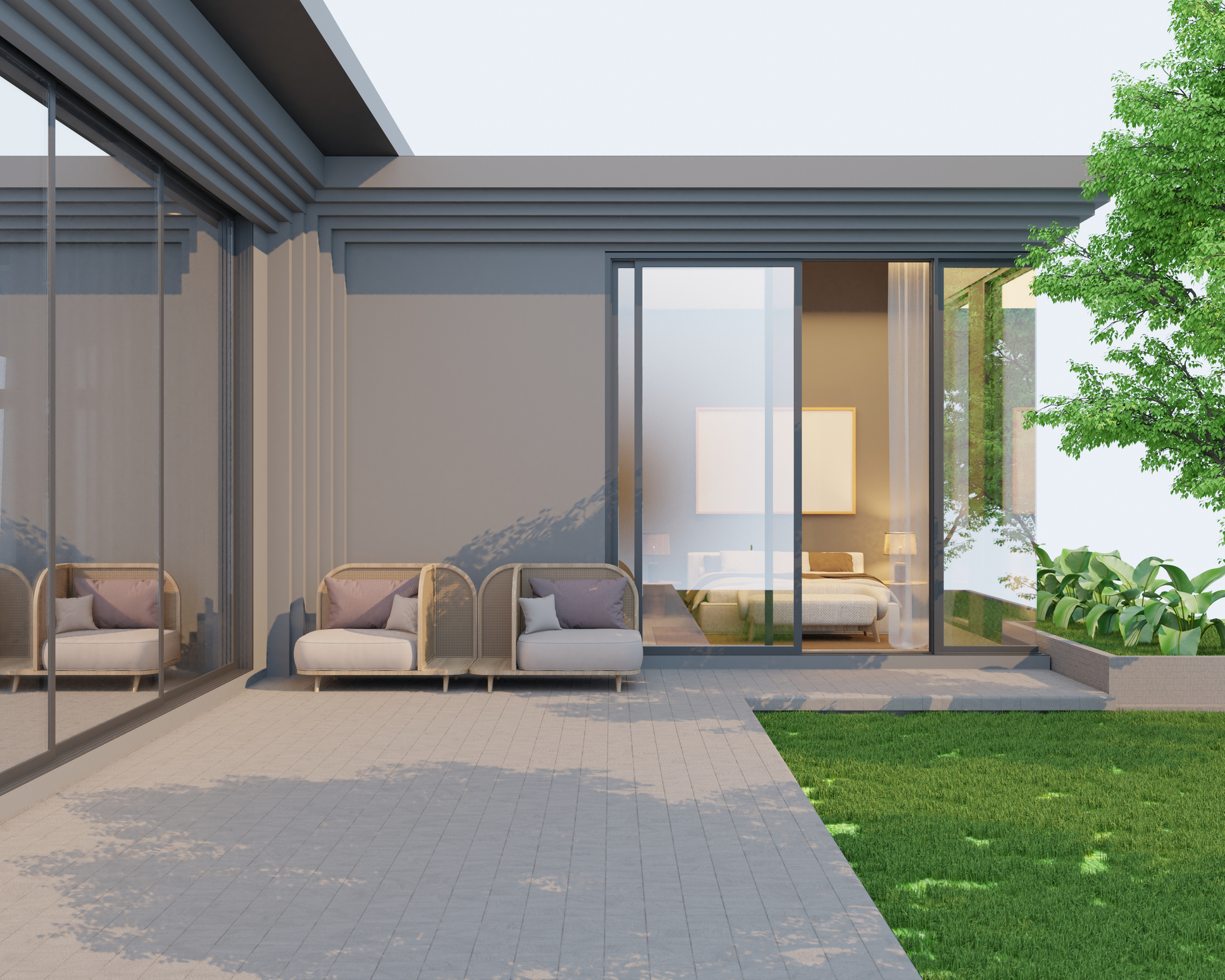
A cottage-style bungalow thrives with loose, informal plantings, while a modern home benefits from clean lines, monochromatic palettes, and geometric hardscape shapes. Ask yourself: Does this design feel like it belongs to my house? If the answer isn’t an immediate “yes,” simplify or realign.
Consider Sustainability and Local Ecology
Beyond aesthetics, thoughtful landscaping can support your local environment:
- Reduce chemical runoff by avoiding synthetic fertilizers.
- Choose native plants - they’re adapted to local rainfall, soil, and temperature swings.
- Install permeable paving to allow rainwater to replenish groundwater instead of running off into storm drains.
Evaluate Before You Expand
It’s tempting to add more - another planter, another light, another feature - but restraint often enhances curb appeal design more than abundance. Step back frequently during your project. Take photos from the street. Ask: Does this element add clarity or clutter?
Final Thoughts: Small Changes, Lasting Impact
Great landscaping isn’t about grand gestures - it’s about thoughtful choices that compound over time. Whether you’re refreshing a flower bed, redefining your walkway, or simply swapping out faded mulch, each decision contributes to a stronger first impression and a more enjoyable home experience.
What truly elevates home curb appeal is consistency: a unified style, seasonal awareness, and a balance between softscape and hardscape. Even modest investments - like updating outdoor lighting or choosing drought-tolerant plants - can reduce long-term effort while enhancing visual harmony.
If you’re wondering how to decorate the front of your house without overhauling everything, start with one focal point. Could it be your entry? Your driveway edge? Your mailbox garden? Build from there. Over time, those individual upgrades coalesce into a cohesive curb appeal design that feels both personal and polished.