



How to Choose the Right Contractor for Your Calgary Basement Development
Quick Answer
Choosing the right professional for your basement project involves evaluating experience, communication style, and adherence to building codes. Look for clear documentation of past work, references from previous clients, and transparent pricing structures. A trustworthy team will outline timelines, permit responsibilities, and cleanup protocols upfront. Avoid contractors who skip detailed contracts or pressure you into quick decisions. Prioritize those who explain technical steps in plain language and respect your timeline and budget. The right fit balances expertise with reliability - not just the lowest quote.
Introduction
There’s a quiet transformation happening in homes across Canada - one that doesn’t make headlines, but changes lives. It starts with a dim, dusty space beneath the floorboards, often overlooked, underused, or forgotten. For many homeowners, that space holds potential: a quiet office for remote work, a playroom for growing kids, or a rental suite that eases financial pressure.
But turning that raw foundation into a safe, functional living area isn’t as simple as picking paint samples. It requires skilled hands, thoughtful planning, and a contractor who understands not just construction, but compliance.
When you begin researching options, you’ll quickly notice how many companies claim to specialize in Calgary basement development - yet few like Pemadale Construction truly walk you through the why behind every step. That’s where clarity becomes critical. A well-informed homeowner doesn’t just choose based on aesthetics or price; they look for accountability.
How to Evaluate Basement Contractors for Your Project
Not all basement contractors are built the same. Some focus on speed. Others prioritize aesthetics. The best ones balance both - while keeping safety, compliance, and your long-term satisfaction at the core.
Here’s how to cut through the noise and identify professionals who truly understand what it takes to turn a cold, unfinished space into a safe, functional, and code-compliant extension of your home.
What to Look For in a Basement Contractor
Ask for these five things upfront - and don’t accept vague answers:
- Proof of licensing and insurance – Verify they’re registered with your provincial regulatory body and carry general liability and workers’ compensation coverage.
- A portfolio of completed basements – Look for variety: legal suites, home theatres, guest rooms. Pay attention to ceiling heights, lighting, and finish quality.
- A detailed written estimate – It should break down labour, materials, permits, and contingencies. Avoid quotes that say “starting at” without specifics.
- Clear communication protocols – Who’s your main point of contact? How often will you get updates? Is there a project manager assigned?
- References from past clients – Ask for at least three recent projects. Call them. Ask: “Did they stick to the timeline? Were there hidden costs?”
Red Flags That Should Raise Concern
Warning Sign | Why it Matters |
Pressure to sign immediately | Legitimate contractors give you time to review contracts and compare options. |
No mention of permits | Basement development cost can be affected by unpermitted work - and it may not pass inspection later. |
Payment demands upfront | Reputable professionals require a deposit (typically 10–20%), not full payment before work begins. |
No site visit before quoting | Every home is different. A quote based on photos alone is often inaccurate. |
No warranty offered | If they won’t stand behind their work for at least one year, what does that say about their craftsmanship? |
Understanding Basement Development Cost
Basement development cost varies widely - from $40,000 to $100,000+- depending on size, finishes, and whether you’re adding a bathroom or legal suite. But the biggest factor isn’t square footage. It’s compliance.
Unpermitted work may seem cheaper at first, but when you sell your home, an inspection could reveal code violations. That means costly retrofits - or even a failed appraisal. Always budget for:
- Structural reinforcements (if adding load-bearing walls)
- Electrical upgrades (new circuits, GFCI outlets, smoke alarms)
- Plumbing rough-ins (for bathrooms or wet bars)
- Insulation and vapour barriers (critical in Canadian climates)
- Permit and inspection fees (vary by municipality)
A transparent contractor will explain each line item - not just list it.
Basement Remodeling vs. Full Development
Don’t confuse a simple repaint and new flooring with true basement remodeling.
- Basement remodeling often refers to cosmetic updates: new paint, lighting, or drywall.
- Basement development means structural changes: adding bedrooms, bathrooms, egress windows, or legal suites - all requiring permits and engineering oversight.
If you’re planning to rent out the space or add bedrooms, you’re not remodeling - you’re developing. And that demands a different level of expertise.
What to Expect After Choosing a Contractor
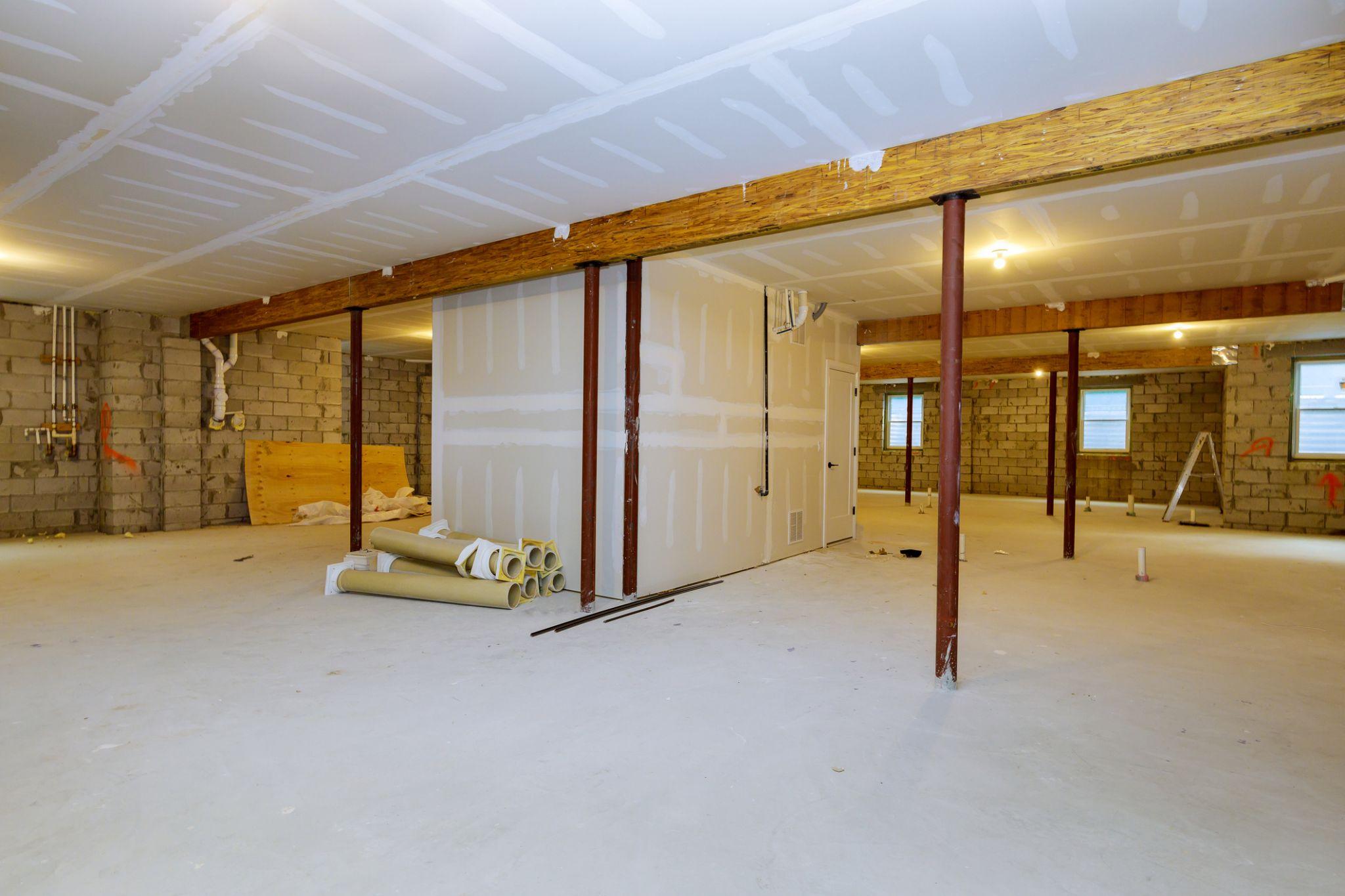
You’ve done the hard part: narrowing down your options, checking references, and signing a contract with a qualified professional. Now what?
The real journey begins - and knowing what comes next can ease stress, prevent misunderstandings, and help you stay engaged without micromanaging.
The Typical Timeline for Basement Development
Most fully finished basements take 8 to 14 weeks, depending on scope and municipal permit processing times. Here’s a realistic breakdown:
Phase | Duration | Key Activities |
Pre-construction | 1–3 weeks | Final design sign-off, permit submission, material ordering |
Demolition & Rough-ins | 2–3 weeks | Framing, electrical, plumbing, HVAC, insulation |
Drywall & Taping | 1–2 weeks | Hanging, mudding, sanding, primer application |
Flooring & Trim | 1–2 weeks | Baseboards, door casings, hardwood/tile installation |
Final Finishes | 1 week | Light fixtures, painting touch-ups, appliance setup |
Inspection & Handover | 3–7 days | City inspection (if required), walkthrough, punch list |
Permitting: Why It’s Non-Negotiable
Any structural change, new bedroom, bathroom, or egress window requires a building permit. Skipping this step might save time upfront but can lead to major issues later - including failed home inspections during resale or insurance claims being denied after water damage.
Your contractor should handle the permit application, but you remain legally responsible as the homeowner. Always request a copy of the approved permit and keep it on file.
Common requirements across Canadian municipalities include:
- Minimum ceiling height (usually 2.1 m in habitable areas)
- Egress windows in bedrooms (minimum size and sill height)
- Smoke and carbon monoxide detector placement
- Proper insulation and vapour barriers
- Electrical grounding and GFCI protection in wet areas
Staying Involved Without Getting in the Way
You don’t need to be on-site every day - but regular check-ins matter. Ask for weekly updates, either in person or via photo summaries. Don’t hesitate to ask questions like:
- “Is anything deviating from the original plan?”
- “Have we encountered any unforeseen conditions?”
- “Are all upcoming milestones still on track?”
Good basement contractors treat you as a partner, not just a payer. They’ll explain surprises - like hidden moisture damage or outdated wiring - and offer clear options before proceeding.
Managing Material Selections and Change Orders
Many homeowners underestimate how many decisions are involved: flooring type, trim profile, switch styles, lighting layout, paint finish, and more.
To avoid delays:
- Finalize all selections before construction starts
- Use sample boards to visualize combinations
- Stick to standard products unless you’re prepared for longer lead times
If you want to make changes mid-project (e.g., adding a wet bar or switching floor tile), expect a change order - a formal amendment to the contract outlining cost and timeline adjustments. Never agree to verbal changes.
What Happens at the Final Walkthrough?
This is your chance to inspect every detail before final payment.
Bring a checklist:
- Test all lights, switches, and outlets
- Open and close all doors and windows
- Run faucets and flush toilets
- Check for gaps in trim or uneven paint
- Confirm built-ins are secure and level
Note any incomplete items on a punch list. Payment should be withheld until everything is resolved - especially safety-related fixes.
Conclusion – Making a Confident Decision
Choosing the right professional for your basement project isn’t just about comparing prices or portfolios. It’s about trust, transparency, and shared expectations.
By now, you know what to look for: clear communication, proper licensing, realistic timelines, and a commitment to code compliance. You understand that basement development cost reflects more than materials - it includes expertise, permits, and long-term value. And you’re aware that true basement remodeling involves structural planning, not just cosmetic upgrades.
The best outcomes happen when homeowners take a thoughtful, informed approach - asking questions, reviewing contracts carefully, and staying engaged without overstepping.